
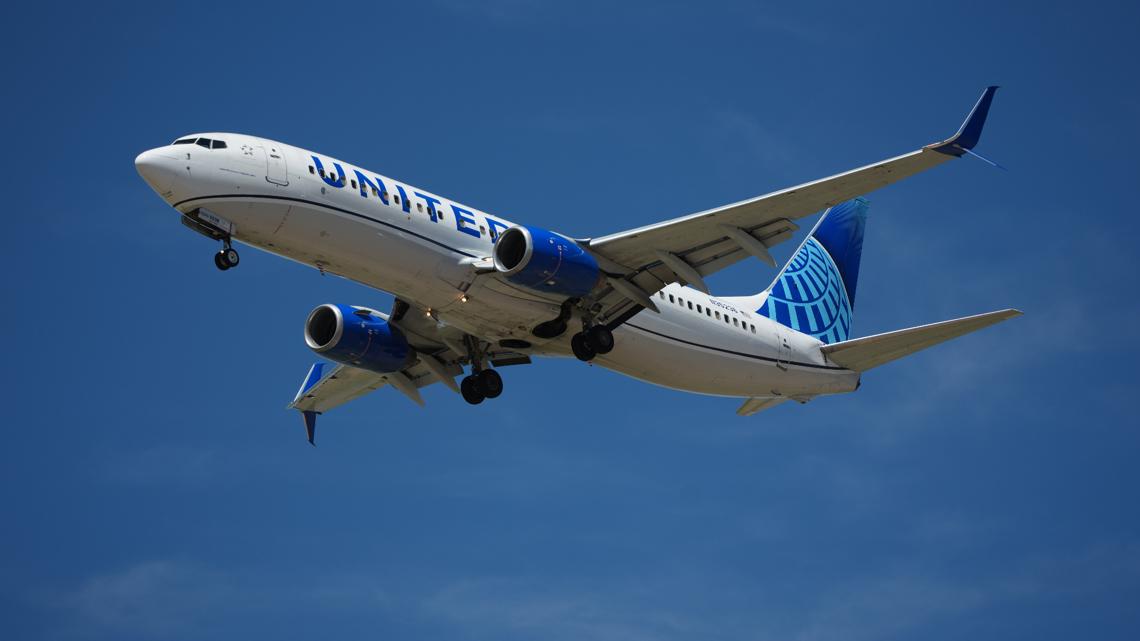
A United Airlines Boeing 767 carrying 190 passengers and 12 crew turned back to Newark midflight after a possible security threat tied to a Bluetooth device name. Passengers were evacuated, rescreened by TSA and Customs and Border Patrol, and later rebooked on a replacement flight that reached Palma de Mallorca early Sunday afternoon. The incident adds to a string of recent United disruptions this month, but the article describes a contained operational issue rather than a broad financial or market event.
This reads less like a one-off headline risk and more like a margin-quality issue for the carrier: the direct cost is trivial, but the operating penalty compounds through crew swaps, reaccommodation, aircraft time loss, and increased scrutiny on premium transatlantic reliability. For a network airline, repeated “process friction” events matter because they hit the most profitable part of the schedule — long-haul, higher-yield international flying — where one disruption can cascade into missed bank connections and same-day customer churn.
The second-order effect is competitive, not just reputational. Rivals with stronger on-time performance and less media attention can quietly siphon corporate share in the Northeast-origin transatlantic market if United starts to look operationally noisy. That is especially relevant over the next 1-3 months, when business travelers decide summer and early fall renewals; even a small shift in premium mix can matter more to earnings than the isolated incident itself.
The overhang here is also regulatory and procedural rather than safety-driven: increased screening intensity can slow turns and raise misconnect risk, but it also tends to fade quickly if no pattern emerges. The market may be over-anchoring on the sensational cause while underestimating the real P&L channel, which is potential softening in brand trust and premium revenue per available seat mile if this month’s cluster persists. The key catalyst to watch is whether United has another operational/security-related diversion within the next 30-45 days; if not, this likely fades into noise.
Contrarianly, the stock may already be pricing the headline premium. A single event does not change fleet economics, fuel exposure, or capacity discipline, and the replacement flight shows the system can absorb disruption without permanent demand loss. The better way to trade this is as a relative-performance question versus peers, not a directional bet on the airline complex.
AI-powered research, real-time alerts, and portfolio analytics for institutional investors.
Request TrialOverall Sentiment
mildly negative
Sentiment Score
-0.20
Ticker Sentiment
