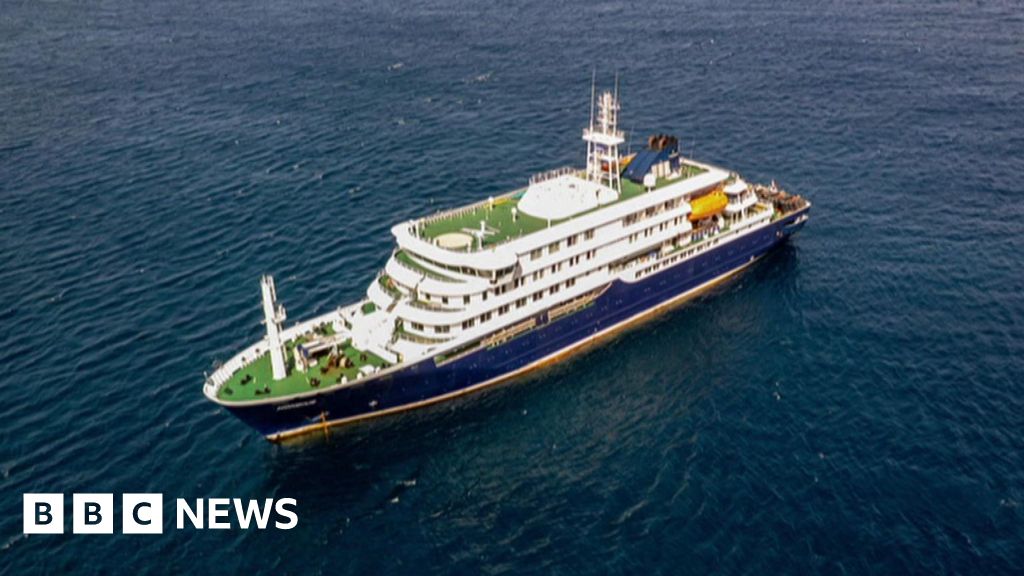
Three people have died in a suspected hantavirus outbreak aboard the MV Hondius, with one confirmed case and five additional suspected cases under investigation. Two symptomatic passengers were being evacuated, while a 69-year-old British national remains in intensive care in Johannesburg. The incident creates a serious health and operational risk for the cruise operator Oceanwide Expeditions and underscores broader travel-sector biosecurity concerns.
This is a classic low-probability, high-friction shock to the travel stack rather than a broad pandemic setup. The immediate economic damage sits less with cruise operators alone and more with the ecosystem that monetizes itinerary reliability: port services, local excursion vendors, aviation links for medical evacuations, and insurers underwriting repatriation/medical coverage. Because the event involves an onboard cluster with fatalities, it raises the perceived tail risk of enclosed leisure travel, which tends to compress booking velocity even when cancellation rates do not surge immediately.
The second-order effect is reputational contagion across the premium experiential travel segment. Expedition and niche cruise brands rely on trust, high-touch service, and older demographics; that customer base is unusually sensitive to health headlines and more likely to delay bookings for the next 1-2 quarters, especially for remote itineraries with limited evacuation infrastructure. Expect the first-order demand hit to be more visible in forward bookings and pricing power than in current-quarter occupancy, with the biggest vulnerability in shoulder-season departures and long-haul destination cruises.
Healthcare beneficiaries are limited here because this is not a broad diagnostic or therapeutic demand event. The likely winners are operationally defensive rather than medical: insurers, medical evacuation providers, and maybe select airport/ground handling firms if repatriation traffic rises. The market may over-assign this to a generalized ‘pandemic’ basket, but the more relevant frame is travel risk management and liability, where the impact can persist for months via tighter protocols, higher insurance premiums, and stricter disclosure requirements.
The contrarian view is that this may be an earnings headline, not a sector thesis. If containment is swift and no secondary cases emerge off-ship, the selloff in travel/leisure proxies should fade within days, while the real P&L effect shows up only in insurance and operating expense lines over 1-2 quarters. The asymmetry is in small-cap or niche operators with concentrated exposure to expedition cruising and older clientele; larger diversified travel names should absorb this with minimal fundamental damage.
AI-powered research, real-time alerts, and portfolio analytics for institutional investors.
Request DemoOverall Sentiment
strongly negative
Sentiment Score
-0.80
