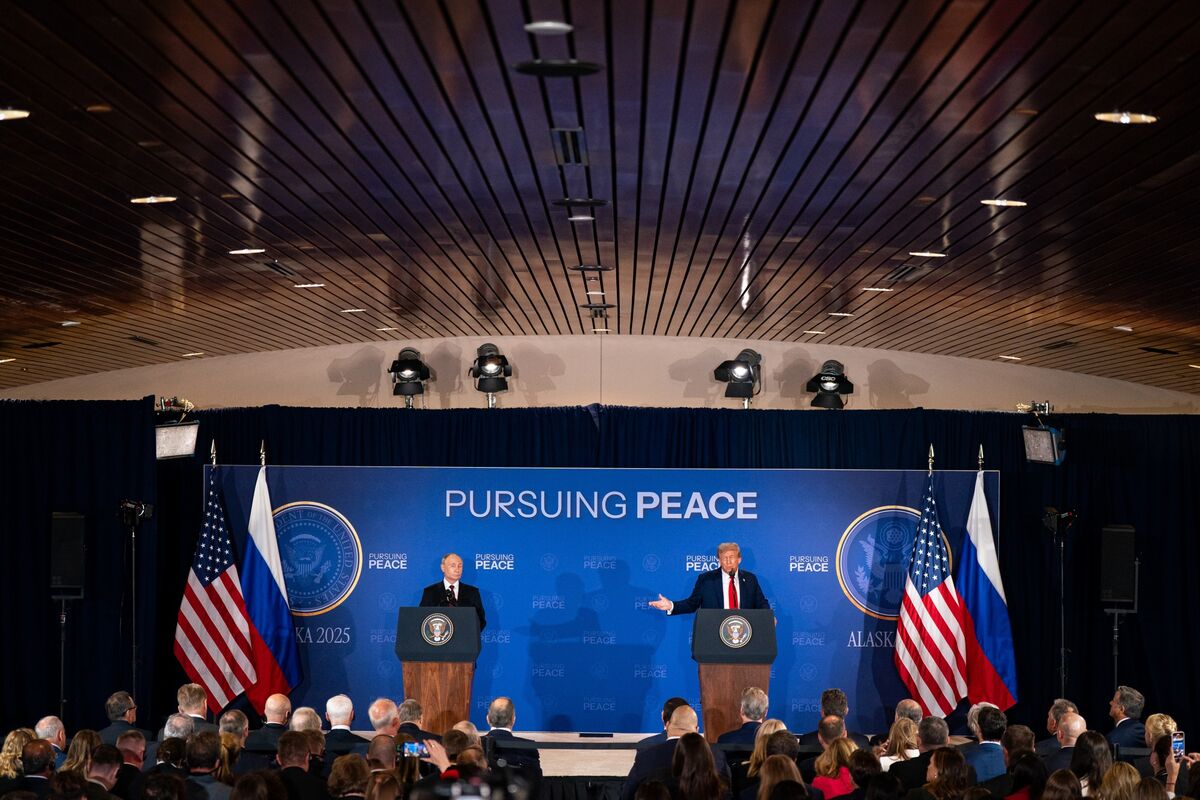
A draft peace proposal reportedly developed by Kirill Dmitriev and US envoy Steve Witkoff outlines a "long-term economic cooperation agreement" between the US and Russia covering energy, rare earths and data centers, and the creation of a US‑Russian investment fund to finance joint projects. While such economic sweeteners could materially alter energy, critical‑materials and technology investment dynamics and reduce geopolitical risk if realized, the proposals remain conceptual and would face substantial political, legal and sanctions-related obstacles.
Market structure: If US–Russia economic cooperation materializes it would reintroduce meaningful Russian supply into Western energy and critical‑minerals channels, putting downward pressure on prices — oil could face a 5–15% structural haircut over 12–24 months if 0.3–1.0 mbpd of seaborne supply is reallocated and insurance/financing frictions ease. Winners: non‑Western traders, data‑center capacity providers with low marginal costs, and metals processors that can scale; losers: short‑cycle shale producers, high‑cost rare‑earth juniors and sanctions‑dependent insurers. FX: partial risk reduction in EM/RUB could tighten US dollar risk premium by ~25–50bp in a relief scenario.
Risk assessment: Tail outcomes include a failed political ratification that triggers a sanction re-tightening and a >20% oil spike, or a de facto allowing of Russian exports that depresses commodity prices by >10% and bankrupts marginal producers. Immediate (days) volatility will be driven by headlines; short‑term (weeks/months) by legal rulings and Treasury guidance; long‑term (quarters/years) by capital flows into joint infrastructure and JVs. Hidden dependency: access to Western banking rails, insurance (P&I), and port/transport logistics — if any remain blocked, the economic window is illusory.
Trade implications: Favor tactical exposure to downside oil moves (three‑ to twelve‑month horizon) and rotate out of high breakeven U.S. shale (sell 10–30% weight) into defense primes and select infrastructure plays that benefit from de‑risking or persistent geopolitical backlash. Use options to asymmetrically position for headline risk: cheap short‑dated kerosene/Brent puts to capture downside if deals progress; hedges via 2–6 month call spreads on LMT/NOC for upside from sustained defense budgets.
Contrarian angles: Consensus assumes slow, incremental change; markets underprice the speed at which sanctions workarounds (alternative insurance, private financing) can scale — a rapid 6–12 month normalization could produce faster commodity deflation than models assume. Conversely, the market also underestimates political backlash risk in the U.S./EU; a single congressional block could re‑weaponize sanctions and force >15% commodity repricing in weeks. Historical parallels (post‑Cold War trade reintegration) show initial volatility then multiyear structural shifts; trade sizing must be asymmetric and time‑staged.
AI-powered research, real-time alerts, and portfolio analytics for institutional investors.
Request DemoOverall Sentiment
neutral
Sentiment Score
0.12
