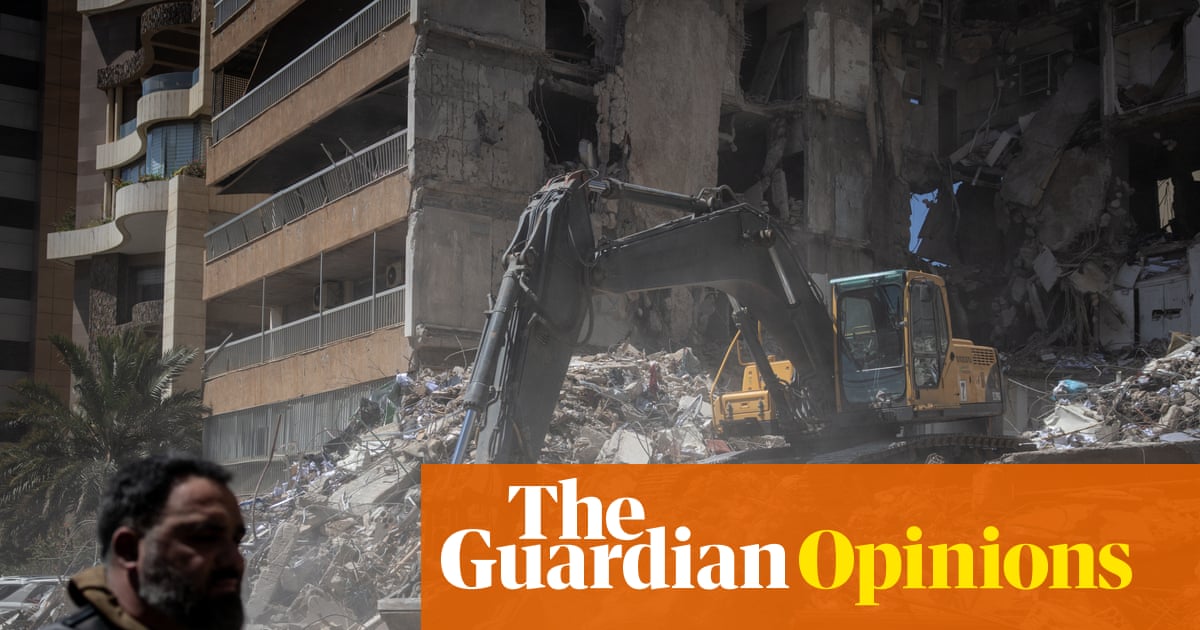
Key event: Israel launched its largest recent strike on Lebanon, killing at least 300 and wounding >1,100 in a 10-minute campaign that destroyed residential buildings, critical infrastructure and the last bridge linking southern Lebanon. The attack appears to fall outside the US-Iran ceasefire scope, prompting Iranian threats to withdraw and risking rapid unraveling of the truce amid an already displaced population of >1.1 million. Portfolio implications: expect pronounced risk-off flows, upward pressure on oil prices and defense stocks, wider EM sovereign spread widening and FX volatility, and higher demand for safe havens.
The immediate market impulse will be classic risk‑off: safe‑haven assets bid, EM risk premia widen, and defense & equipment supply chains see forward ordering get pulled forward. Expect volatility spikes over days (VIX +5–10 pts likely intraday) with a typical two–to–six week window for position rebalancing as credit and FX markets reprice counterparty and sovereign exposure. Defense manufacturers and munitions suppliers should see revenue visibility improve within 3–12 months as governments accelerate replenishment cycles and authorize emergency procurement; conversely, regional trade flows and insurance costs (marine, cargo, political risk) will rise immediately, compressing margins for exporters and logistics providers. Reinsurers and specialty insurers will push rate increases into renewal books over the next 6–18 months, creating a near‑term underwriting windfall but elevated loss reserves. Local equity markets and currencies tied to the theater of operations will likely underperform for weeks to months, driving capital flight into hard assets and developed market sovereigns. Reconstruction demand (steel, cement, power grid equipment) creates a multi‑year tailwind for industrial materials and specialist engineering contractors once hostilities recede — a greenfield procurement cycle that could lift select upstream suppliers’ orderbooks for 12–36 months. Primary catalysts that will change this path are diplomatic restraint (fast), a widening regional conflagration (weeks), or a policy shock such as major export sanctions or a chokepoint closure (days to weeks). Each has asymmetric impacts: a negotiated restraint tends to reverse half the risk premia within 1–4 weeks, while escalation can spike oil and insurance markets violently within days and sustain higher baselines for years.
AI-powered research, real-time alerts, and portfolio analytics for institutional investors.
Request DemoOverall Sentiment
extremely negative
Sentiment Score
-0.90
