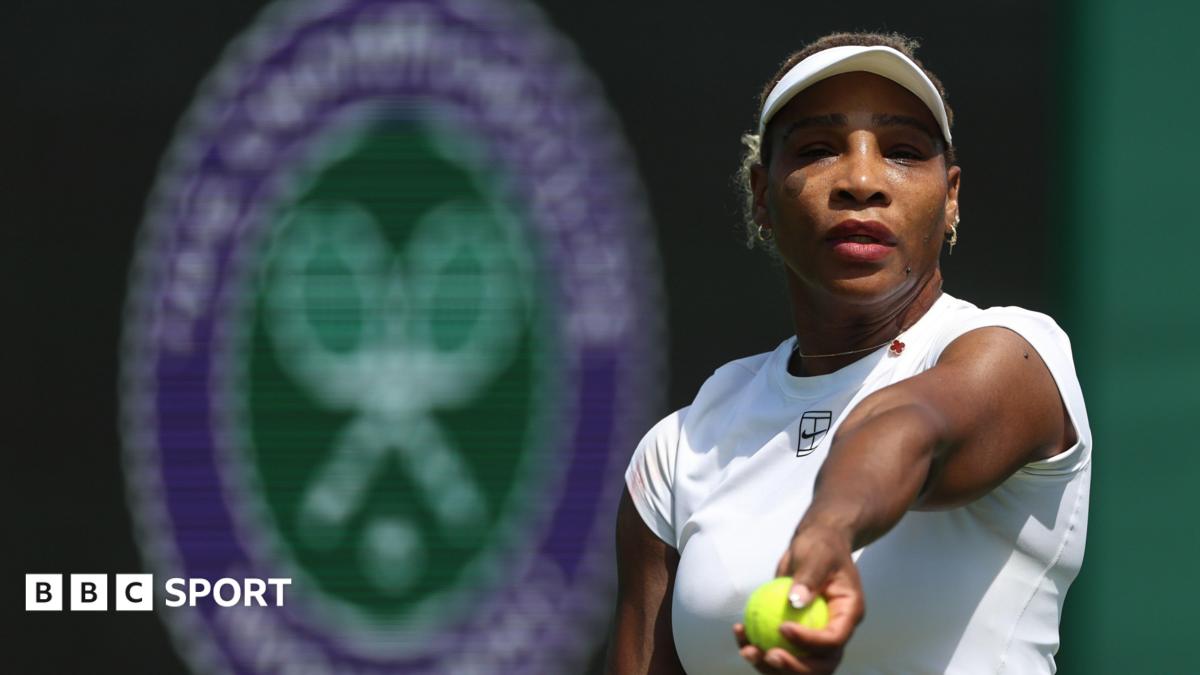
Wimbledon 2026 is drawing extra attention from the return of Serena and Venus Williams, Andy Murray joining Jack Draper's coaching team, and Novak Djokovic chasing a record 25th Grand Slam title. The piece also notes key contenders and a difficult draw for British players, including Emma Raducanu's withdrawal with a stress fracture. Overall, the article is a sports-preview feature with limited direct market impact beyond broader interest in the Wimbledon event.
The immediate investable angle is not tennis outcomes but incremental attention and event monetization. A nostalgia-heavy Wimbledon with multiple legacy narratives should lift already-high engagement more than a normal year, which matters for ad inventory, sponsorship renewals, affiliate betting volume, and hotel/package pricing around SW19 and central London. The second-order effect is that the event becomes a harder-to-ignore summer media anchor even against the World Cup, which supports premium pricing power for rights-holders and venues that can bundle live sports inventory across platforms.
Within travel and leisure, the better read is selective rather than broad-based uplift. Luxury hospitality, premium rail, and short-duration London leisure should see a tighter window of pricing power during the fortnight, but only if weather and match scheduling cooperate; the demand is event-driven and therefore highly elastic to surprise exits from headline names. Meanwhile, a deep British run is the real catalyst for incremental domestic spillover; absent that, the attention lift may be more social than economic, with little sustained benefit beyond the tournament window.
The contrarian point is that the market may be overestimating how much star power translates into monetizable engagement in a fragmented media environment. Familiar names can boost headline clicks, but younger demographics may sample briefly rather than convert into long-duration viewing unless the matches produce genuine drama, so the true upside is concentrated in volatility and knockout-stage moments rather than the early rounds. That asymmetry argues for event-driven trades with short durations, not structural longs on the back of nostalgia alone.
AI-powered research, real-time alerts, and portfolio analytics for institutional investors.
Request DemoOverall Sentiment
neutral
Sentiment Score
0.10
