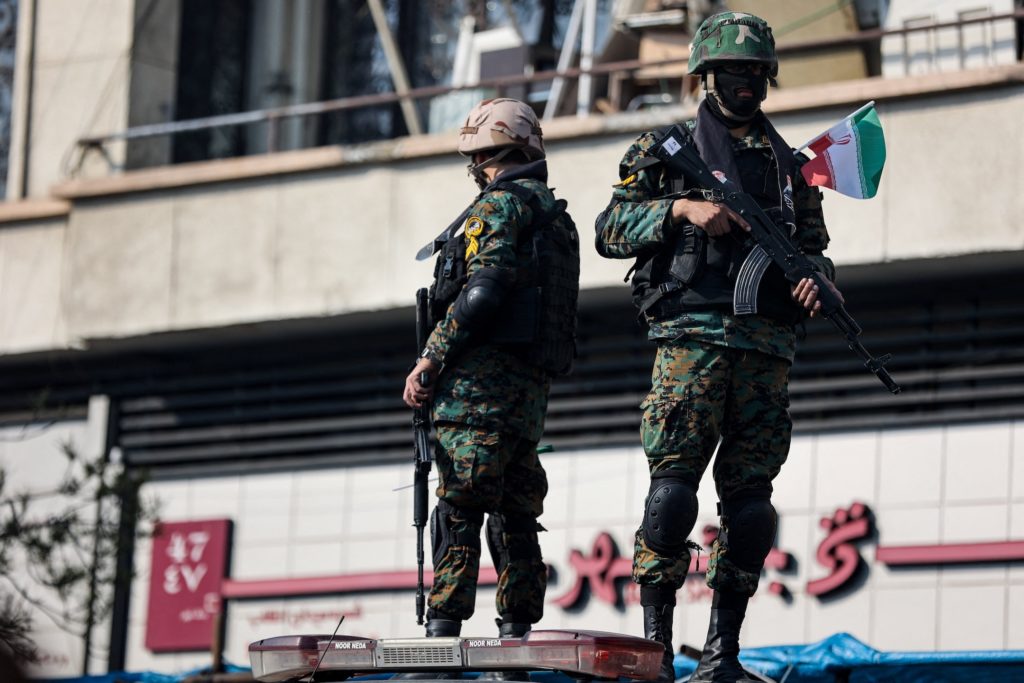
10th day of U.S.-Israeli military action in Iran; President Trump described the war as “very complete” and said the U.S. is ahead of his four- to five‑week estimated timeframe. Expect a risk-off market reaction with likely upward pressure on oil and defense-sector stocks and increased volatility in emerging-market assets and regional exposures; consider hedging directional equity risk and reassessing EM and energy/defense allocations.
A rapid uptick in kinetic risk lifts demand for military replenishment, strategic logistics and war-risk insurance more than headline defense budgets. Expect a front-loaded boost to prime contractors and niche ordnance/avionics suppliers as governments tap emergency drawdowns — a 6–12 month revenue pop for firms able to convert program authority into deliveries, while larger platform OEMs face 9–18 month program-to-production lags.
Second-order winners include maritime insurers, privately contracted logistics and satellite/intelligence analytics firms: higher war-risk premiums and rerouted shipping raise freight and insurance spreads immediately, improving margin for insurers and re-quoting opportunities for shipping brokers. Conversely, commercial aviation, leisure travel, and regional tourism operators are vulnerable to sustained airspace disruptions and insurance-driven cost inflation; those costs feed through to ticket prices, load-factor erosion, and earnings misses within 1–3 quarters.
Tail risks cluster around two clear catalysts. Upside tail: closure/serious disruption of the Strait of Hormuz or a major energy-infrastructure strike could lift Brent $20+ inside weeks and push EM funding stress into a multi-month cycle. Downside/reversal: credible de-escalation via backchannel diplomacy or rapid, visible domestic political constriction in combatant states can compress risk premia within 30–90 days, leaving long-duration defense/hard-asset exposure materially marked down. The tactical implication is prefer convex, short-dated exposures to capture immediate repricing while avoiding multi-quarter operational execution risk on large-cap defense names.
AI-powered research, real-time alerts, and portfolio analytics for institutional investors.
Request DemoOverall Sentiment
mildly negative
Sentiment Score
-0.25
