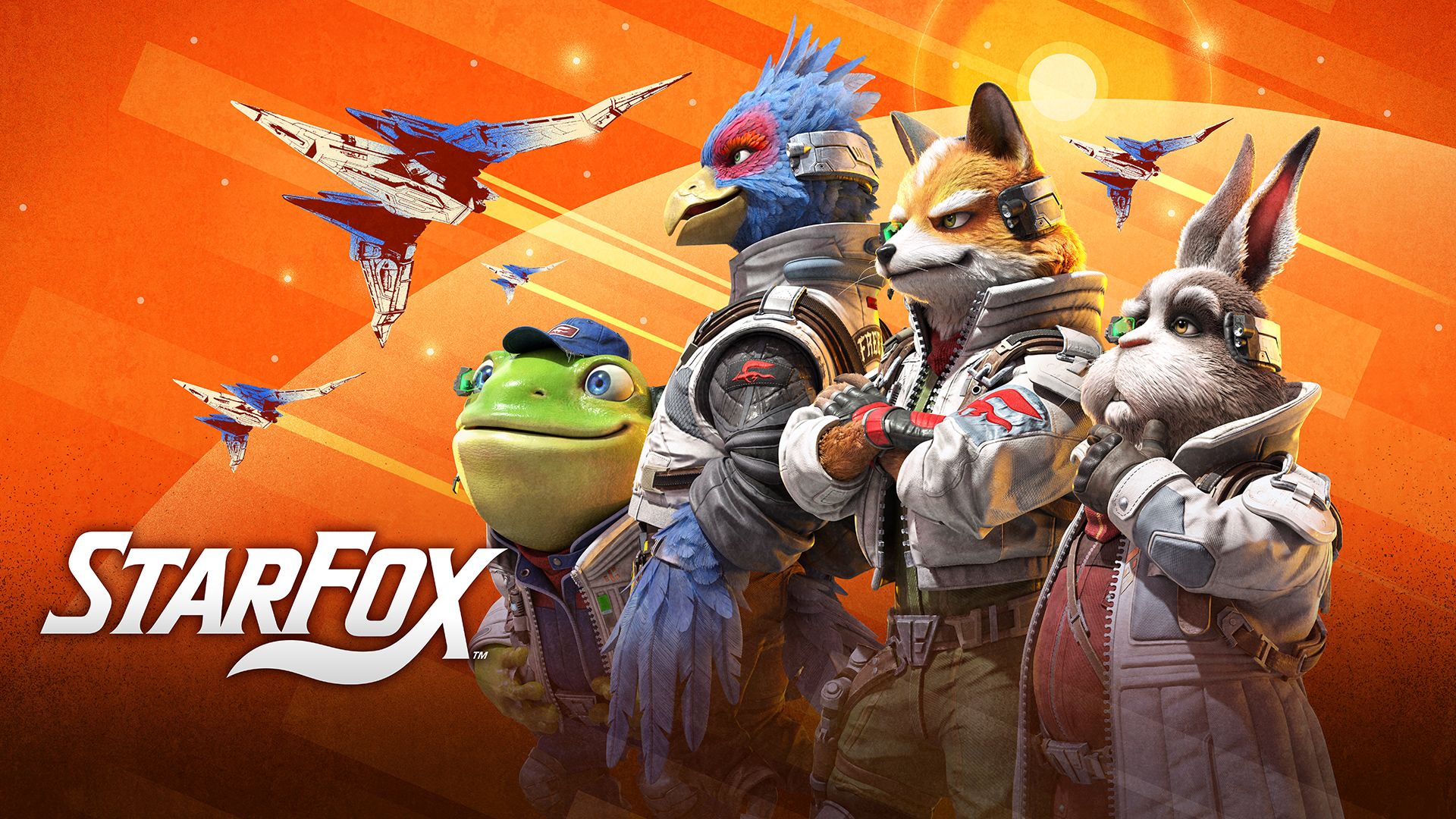
Nintendo announced a new Star Fox 64 remake, titled Star Fox, for Nintendo Switch 2, launching June 25 with pre-orders now open at a lower-than-usual price point. The game adds Challenge Mode, competitive online multiplayer, optional co-op, mouse aiming, and video-chat integration, while the original Switch will not receive the title. The news is positive for Nintendo's Switch 2 content pipeline, but the article reads as a routine product announcement with limited near-term market impact.
This is less about one game and more about Nintendo using an old franchise as a systems-sell catalyst for the new console cycle. The economically important signal is that management is willing to use a lower-priced, feature-augmented software release to reduce friction around hardware adoption, which supports a broader attach-rate thesis: even modestly successful nostalgia content can lift first-year engagement, accessory usage, and online service stickiness more than its unit sales alone imply.
The second-order winner is the Switch 2 ecosystem, not the game itself. Online multiplayer, co-op, and controller-specific input features increase the value of the installed base and create a reason for households to buy a second unit or additional peripherals, which tends to matter more in early platform generations than software margins. If this lands well, it also validates a playbook Nintendo can repeat with other dormant IP, extending the console’s software runway and reducing dependence on a small number of evergreen franchises.
The key risk is execution and tone mismatch: a remake can generate buzz for days, but if the new modes feel gimmicky or the price/value balance is off, the uplift fades quickly and can even reinforce the narrative that Nintendo is leaning on nostalgia because the new-IP pipeline is thin. Longer term, the main concern is cannibalization of premium software demand if consumers wait for reimagined legacy titles instead of buying new releases. The market may be underpricing the possibility that this is a much stronger signal for Switch 2 hardware demand than for first-party software sales, especially over the first 1-2 quarters post-launch.
Contrarian view: the consensus may be too focused on whether this is a 'good game' and not enough on whether it materially improves the economics of the platform launch window. Even a middling attachment title can be strategically valuable if it lifts hardware sell-through, increases online monetization, and broadens the user base ahead of holiday season, which is when platform winners usually compound.
AI-powered research, real-time alerts, and portfolio analytics for institutional investors.
Request DemoOverall Sentiment
mildly positive
Sentiment Score
0.45
