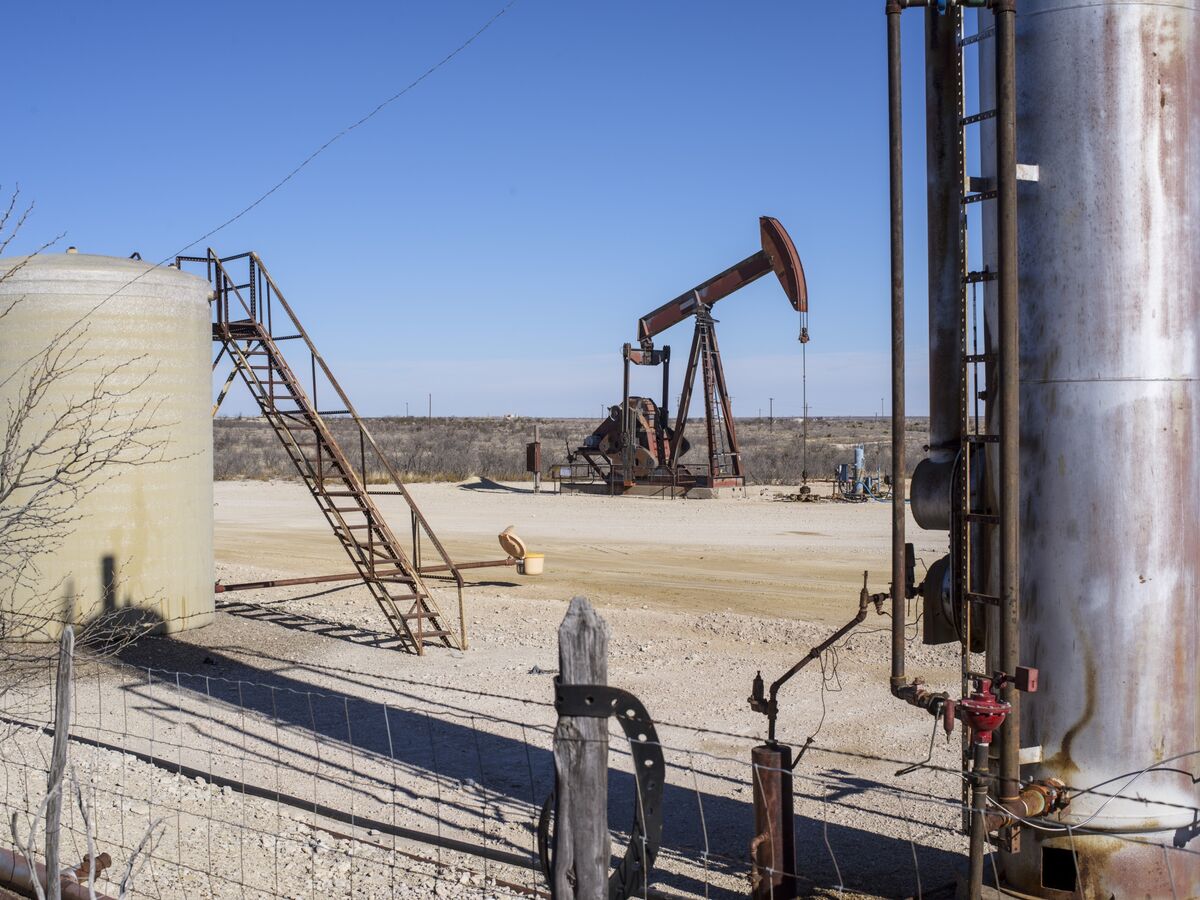
The IMF warns the Middle East conflict is a major supply shock to oil that will test a global economy with limited fiscal buffers; the Fund is cutting its global growth forecasts and will publish scenario ranges in next week’s World Economic Outlook. Even in the most optimistic scenario the IMF expects weaker growth, raising risks to energy prices and inflation and constraining scope for fiscal support across countries.
Near-term winners are front‑margin energy producers and midstream firms that can monetize higher Brent/WTI through existing export capacity; smaller E&Ps capture the vast majority of incremental margin (typically 70–90%), compressing the multi‑year valuation gap vs. majors if crude sustains a $10–20 lift for 3+ months. Second‑order beneficiaries include marine insurers, VLCC owners and dry bulk charterers where insurance premia and re‑routing increase freight rates; petrochemical producers with feedstock pass‑through will see margin pressure, creating dispersion within the commodity chain.
Macroeconomically, a persistent commodity shock acts like a fiscal tax on consumption—real incomes erode, core inflation lags headline moves, and EM current account deficits widen; expect EM FX and sovereign CDS to underperform within 1–6 months unless offset by policy. Central banks face a policy trap: tolerating higher inflation risks de‑anchoring, while tightening into a commodity‑led slowdown risks a sharper growth hit — this path dependence raises volatility in duration and real yield markets.
Key catalysts to watch that can flip outcomes are strategic inventory releases and a rapid shale supply response (both can re‑balance within 6–12 weeks), versus escalation or chokepoint disruptions that extend the shock into quarters. Tail risks include a protracted supply cutoff or cascading insurance market dislocations that materially raise physical logistics costs.
Contrarian edge: consensus tends to treat oil upside as binary and persistent; history and recent shale dynamics show supply response and SPR-like tools can compress the upside within 2–3 months, creating scope for mean‑reversion trades. Positioning should therefore be asymmetric: capture upside in producers while protecting against a fast re‑entry of supply/macro intervention.
AI-powered research, real-time alerts, and portfolio analytics for institutional investors.
Request DemoOverall Sentiment
mildly negative
Sentiment Score
-0.30
