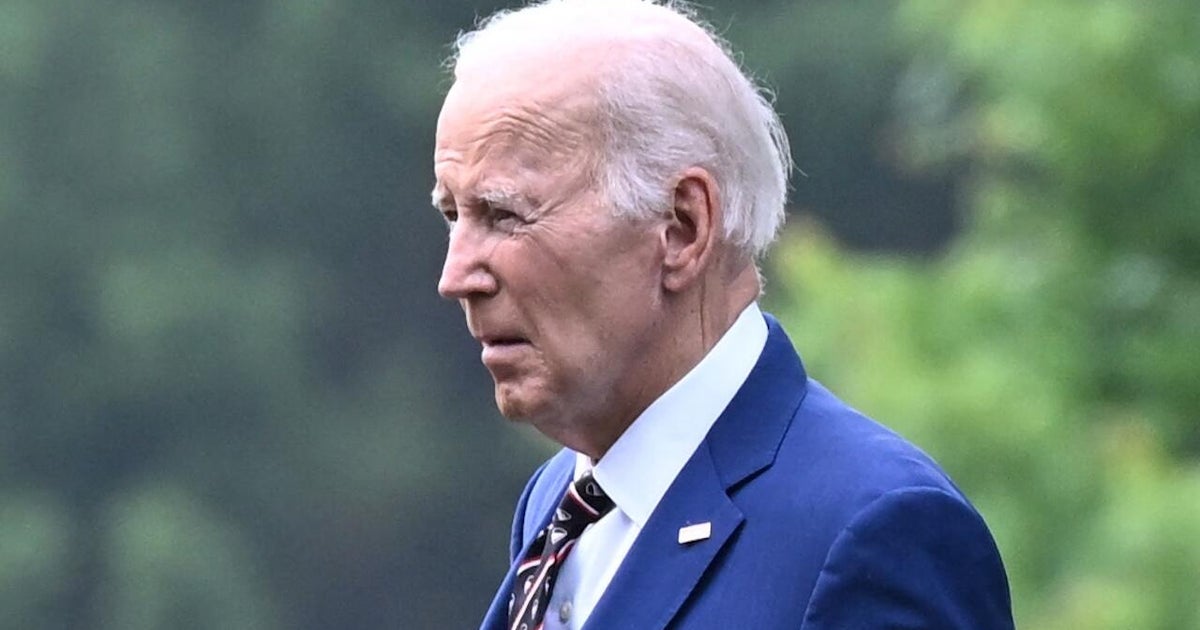
Former President Joe Biden filed a lawsuit to block release of about 70 hours of audio files and transcripts tied to biographer interviews that later became relevant to the classified documents probe. The dispute centers on FOIA access, executive privilege, and a reversal in the Justice Department's position under the Trump administration. The case is politically significant but has limited direct market impact.
This is less a civil-privilege story than a signal that document-handling exposure remains a live political asset for both parties. The immediate market read is not broad macro risk, but a continued tailwind for media, legal-services, and event-driven volatility around election-adjacent headlines; the bigger second-order effect is that every new filing extends the lifecycle of the classification narrative and keeps the issue monetizable for partisan media ecosystems. The main loser is institutional trust in the durability of executive-branch confidentiality claims. If the release proceeds, it weakens the implied protection around interview materials and could chill future cooperation from former officials, biographers, and aides in politically sensitive memoir/reporting pipelines. That matters over a multi-year horizon because it raises the expected legal cost of historical disclosure, pushing more disputes into courts and increasing the optionality value of privileged material. For markets, the near-term catalyst is procedural rather than substantive: court rulings, redaction scope, and any disclosure date slippage over the next 2-8 weeks. The real upside/downside is in the volatility of the news cycle; a partial release likely creates a burst of headlines without durable policy impact, while a stay or injunction would preserve the issue for later in the election calendar and keep its marginal effect on polling and sentiment alive into the summer. Consensus is probably overestimating the direct legal significance and underestimating the communications effect. The non-obvious angle is that even a weak merits case can still be politically valuable because it forces fresh comparisons with Trump-era document litigation, which increases polarization and makes the issue more salient than the underlying files would justify. That argues for trading the volatility around headlines, not the fundamental outcome of the case.
AI-powered research, real-time alerts, and portfolio analytics for institutional investors.
Request DemoOverall Sentiment
neutral
Sentiment Score
-0.05
