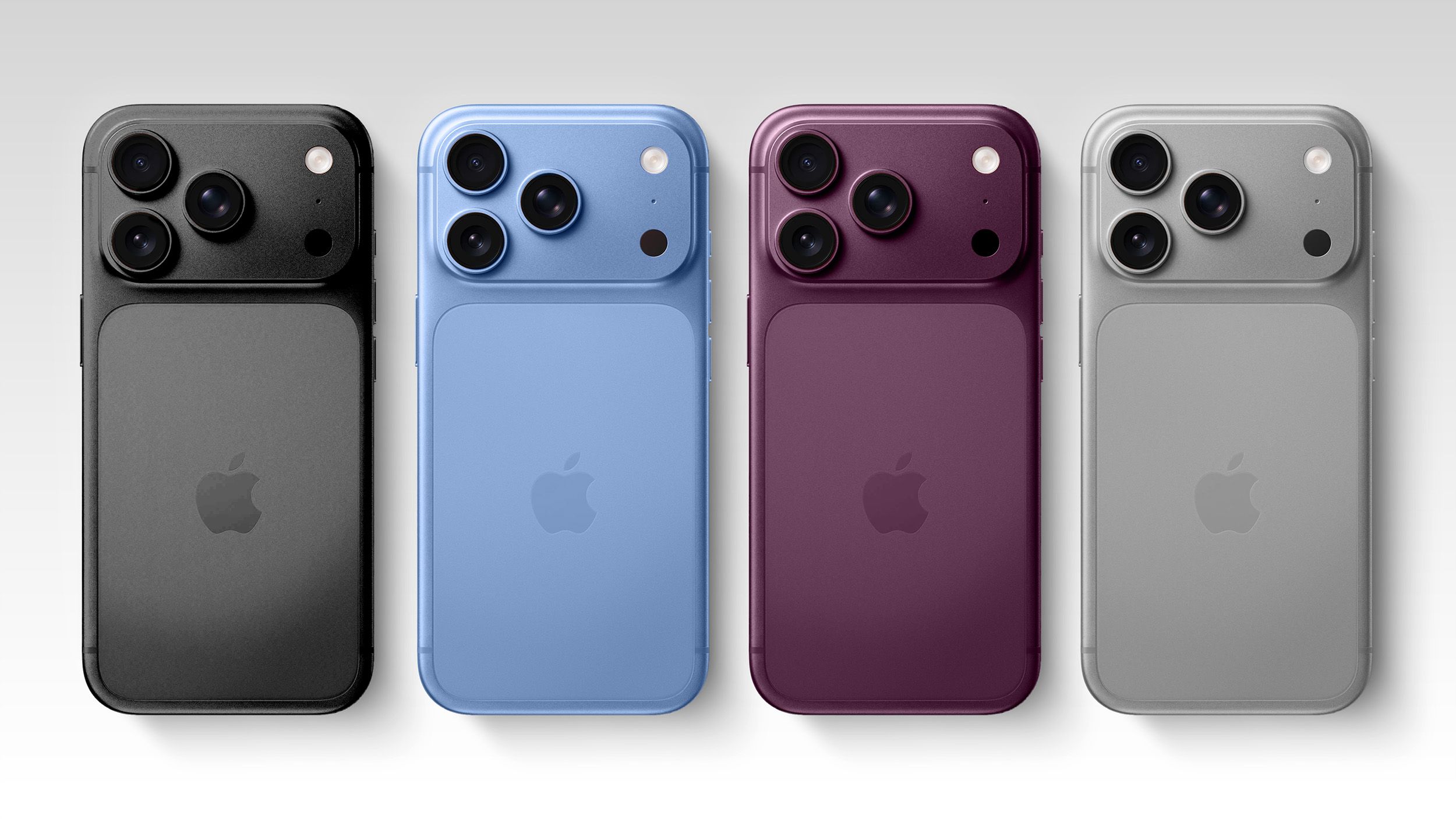
Apple’s iPhone 18 Pro and Pro Max are still months from launch, but rumors point to incremental upgrades rather than a major redesign. Key expected changes include a smaller Dynamic Island, LTPO+ displays, a variable-aperture 48MP main camera, the A20 Pro chip on TSMC's first-generation 2nm process, and Apple's C2 modem with potential 5G via satellite support. The article also cites a new Dark Cherry color and a simplified Camera Control button, suggesting a fairly routine product-cycle refresh.
The market is likely to underappreciate how much of the iPhone 18 Pro story is now about margin preservation rather than headline hardware novelty. A move to a first-generation 2nm node at scale would be the clearest lever here: even modest power-efficiency gains can translate into better battery life without a commensurate bill-of-materials jump if Apple keeps the industrial design largely unchanged. That setup is constructive for AAPL because it supports premium pricing and mix, but the bigger beneficiary in the near term is TSM, which should capture the initial yield/learning-curve economics and the follow-on upgrade cycle if Apple’s move signals acceptable manufacturability.
The more interesting second-order effect is that the product may be less differentiated visually than investors expect, which could cap the near-term demand surprise. A smaller notch-like cutout and incremental camera/UI refinements are unlikely to drive a giant replacement cycle on their own; the bull case depends on AI, battery, and modem improvements being tangible enough to justify a premium SKU in a replacement market that is already stretched. If those features disappoint in hands-on reviews, upside from launch hype could fade quickly after the September event, especially given the longer lead time until the non-Pro models arrive.
For supply chain, a custom modem and radio stack are strategic because they reduce Apple’s dependency on external silicon and potentially improve power efficiency, but the real economics may not show up until 2027–2028 as Apple ramps broader SKU penetration. Near term, the risk is execution: first-wave 2nm yields, RF integration, and satellite data functionality all have failure modes that can compress launch enthusiasm or force supply throttles. Any delay in the foldable or lower-end refresh cycle would also matter because it would shift the upgrade narrative from broad platform transition to a narrower Pro-only event.
Consensus seems to be extrapolating a premium upgrade cycle from a relatively conservative industrial design. That feels slightly overdone unless channel checks confirm materially better battery life and modem performance versus the current Pro generation. The more durable thesis is not unit growth on this specific launch, but higher ASP resilience and a slow re-rating of Apple’s silicon stack as it internalizes more of the modem/connectivity roadmap.
AI-powered research, real-time alerts, and portfolio analytics for institutional investors.
Request DemoOverall Sentiment
neutral
Sentiment Score
0.08
Ticker Sentiment
