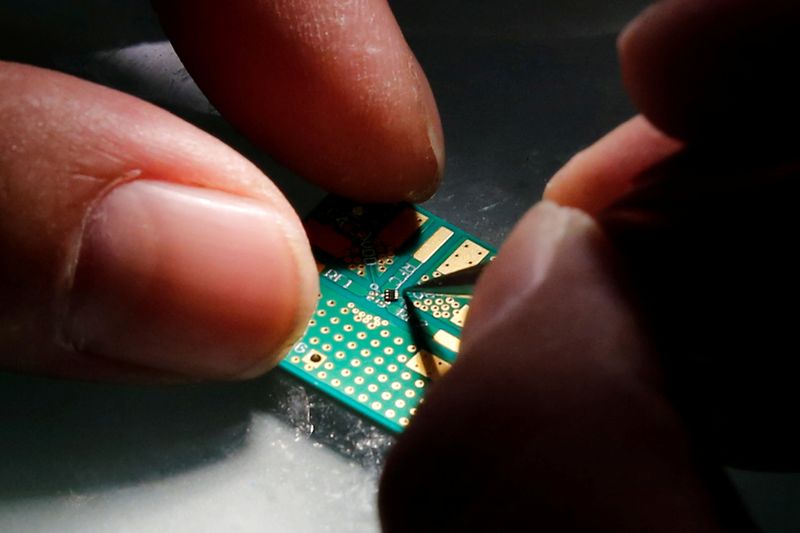
Denso is considering withdrawing its acquisition offer for Rohm after failing to secure the chipmaker’s consent, following stalled negotiations on a proposed deal valued at about $8.3 billion. Rohm shares fell as much as 16% and were still down 9% at 3,449 yen, while Denso rose more than 3%. The news is negative for Rohm and slightly supportive for Denso, but the broader impact is likely limited to the individual stocks and Japan’s chip-consolidation theme.
The market is pricing this as a failed deal, but the bigger signal is that Japan’s semiconductor consolidation is proving harder than the policy narrative suggests. That matters because strategic M&A in Japan has been one of the few mechanisms to re-rate subscale industrial-tech assets; if this transaction unravels, the discount for “optional takeover premium” across the space should compress quickly, especially for names with governance complexity or fragmented ownership.
The near-term winner is the strategic bidder ecosystem, not the target: capital will likely rotate toward better-capitalized domestic consolidators and away from speculative chip hardware names that depend on M&A to unlock value. A withdrawn offer also raises the probability of a prolonged standoff where managements choose independence over synergies, which is typically negative for minority holders because it delays margin expansion and keeps capital allocation suboptimal for quarters, not days.
The contrarian angle is that the selloff may overshoot because the market is treating the withdrawal risk as binary, when the more likely outcome is a reset of terms or a different transaction structure rather than a clean break. If the bidder preserves strategic intent, the target’s downside should be partly cushioned by alternative bidders or domestic industrial partners, but the path to value realization becomes much longer and more contingent on Japanese governance reform than on immediate fundamentals.
For broader market impact, the second-order effect is sentiment damage to Japan industrial-tech M&A rather than direct earnings impact. That creates a tactical window to fade any short-lived relief rallies in bidders and to look for relative-value longs in names with strong standalone cash flow, since they may benefit if capital reallocates away from headline-driven takeover stories.
AI-powered research, real-time alerts, and portfolio analytics for institutional investors.
Request DemoOverall Sentiment
mildly negative
Sentiment Score
-0.35
Ticker Sentiment
