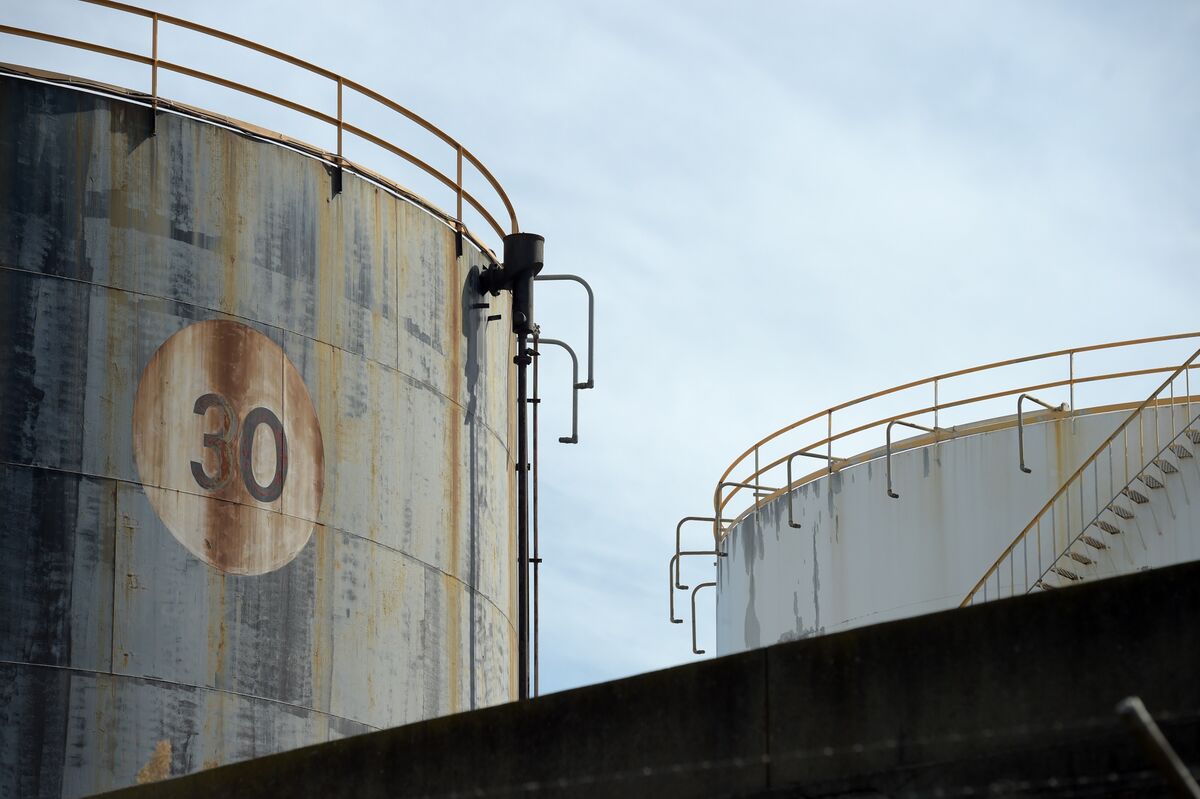
Australia will include an A$10 billion ($7.2 billion) fuel and fertilizer security package in next week’s budget after the Iran war triggered a supply run in the Pacific nation. The plan includes a permanent government-owned onshore fuel reserve of around 1 billion liters and a roughly 10-day increase in mandatory fuel holdings, lifting total diesel and jet fuel storage to 50 days of supply. The measures are aimed at reducing vulnerability to external supply shocks, with meaningful implications for fuel logistics and energy security.
This is less about near-term fuel pricing and more about a forced reallocation of balance-sheet capacity: governments are now effectively underwriting inventory carry and storage redundancy that private distributors had been unwilling to fund. The second-order winner is anyone with steel-in-the-ground optionality in storage, terminals, and midstream logistics, because mandated days-of-cover turns a cyclical working-capital burden into a policy-supported asset class. The loser is the merchant fuel distribution model: lower inventory turns, more trapped capital, and less ability to optimize on spot volatility.
The most important market implication is that the policy should dampen outage risk rather than price risk. That means the immediate equity read-through is stronger for infrastructure-heavy operators and defense-adjacent logistics than for refiners themselves, since mandated stockpiling increases structural demand for storage services but does not necessarily expand end-demand. Over 3-12 months, the fiscal burden is manageable, but if other Asia-Pacific governments copy the template after any shipping disruption, the region could see a step-up in strategic inventories that tightens seaborne product availability at the margin.
The contrarian view is that markets may overestimate how quickly this becomes fungible supply. Building 1 billion liters of government-owned reserve is not the same as having immediately usable product in the right grade, location, and transport corridor. If the actual bottleneck is trucking, port throughput, or jet-fuel segregation, the policy can reduce headline panic while leaving delivered spreads elevated; that creates a better opportunity in logistics and storage than in broad energy beta.
Catalyst-wise, the next 1-2 months matter for budget approval and procurement sequencing, while the real trade is in the 6-18 month window as facilities are contracted and inventory targets are enforced. Tail risk is a rapid normalization in geopolitical shipping conditions, which would compress urgency and pull forward a sell-the-news reaction in any names bid on security-capex optimism. Another reversal trigger is political pushback if fuel costs rise from mandatory holding requirements, because distributors may attempt to pass through inventory carry faster than regulators expect.
AI-powered research, real-time alerts, and portfolio analytics for institutional investors.
Request DemoOverall Sentiment
mildly positive
Sentiment Score
0.15
