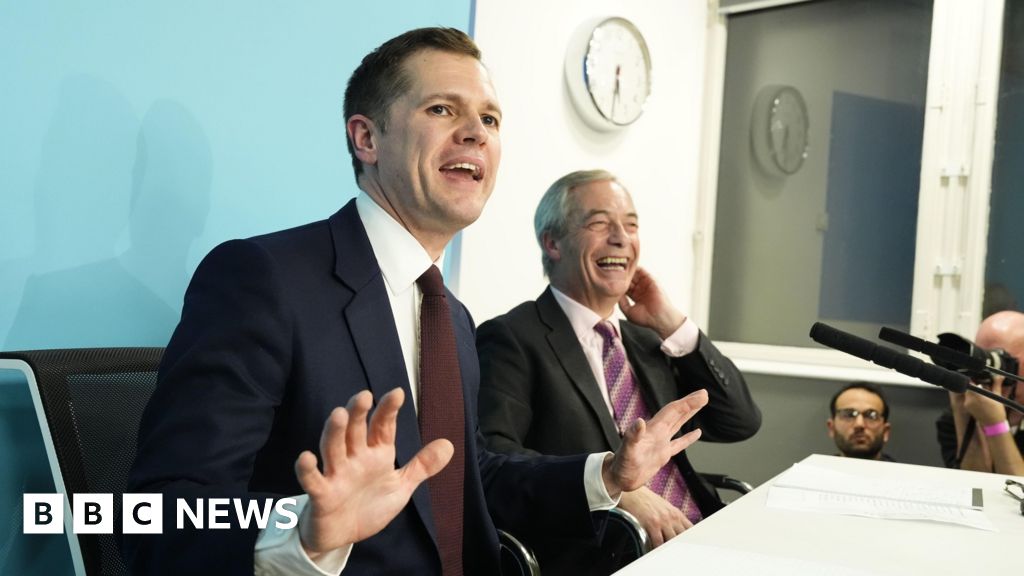
Former Conservative minister Robert Jenrick defected to Reform UK and was unveiled at a Nigel Farage press conference, becoming the second sitting Conservative MP to join the party this week after Nadhim Zahawi. Kemi Badenoch sacked Jenrick from the shadow cabinet after being shown a draft of his defection speech, and Nick Timothy has been appointed shadow justice secretary; senior Conservatives warn of possible further defections but do not expect an immediate large exodus. The move increases short-term political uncertainty ahead of local and national elections on 7 May but is unlikely to cause immediate market-disrupting policy shifts.
Market structure: A high-profile Conservative-to-Reform defection increases political fragmentation and near-term UK risk premia; expect domestic cyclicals (housebuilders, regional banks, small-cap UK equities) to underperform while large-cap exporters and energy/commodity majors (sterling-hedged revenues) relatively outperform. Sterling and 10y gilts will be most sensitive; a sustained realignment could push 10y gilt volatility +30–60% and GBPUSD moves ±1–3% in the next 1–3 months.
Risk assessment: Tail outcomes include a snap election or coalition that materially alters fiscal policy—if markets price fiscal loosening, gilts could rout 50–150bps (low-prob/high-impact). Immediate (days) risk is headline-driven volatility; short-term (weeks to May 7 election) is higher idiosyncratic polling sensitivity; long-term (quarters) depends on whether Reform converts vote share into seats (first-past-the-post historically mutes third-party seat gains). Key hidden dependency: polling drift vs seat translation mismatch.
Trade implications: Tactical plays: short UK domestic cyclicals and buy GBP downside/gilt protection into the May election window (3-month horizon); prefer utilities/energy and FTSE 100 exporters as defensive longs. Use options to cap cost (put spreads) and size initial positions small (0.5–3% NAV) with triggers: GBP move >1.5% or 10y gilt +25bps.
Contrarian angles: Markets may overreact to isolated defections—historical parallel UKIP (high vote share, few seats) suggests fade risk if national polls don’t sustain >15% for Reform. If Conservative leadership consolidates under Badenoch and defections stop, sterling/gilts could rebound 2–4%/10–30bps respectively; consider buying dips on large-cap defensive FTSE names when moves exceed these thresholds.
AI-powered research, real-time alerts, and portfolio analytics for institutional investors.
Request DemoOverall Sentiment
mildly negative
Sentiment Score
-0.30
