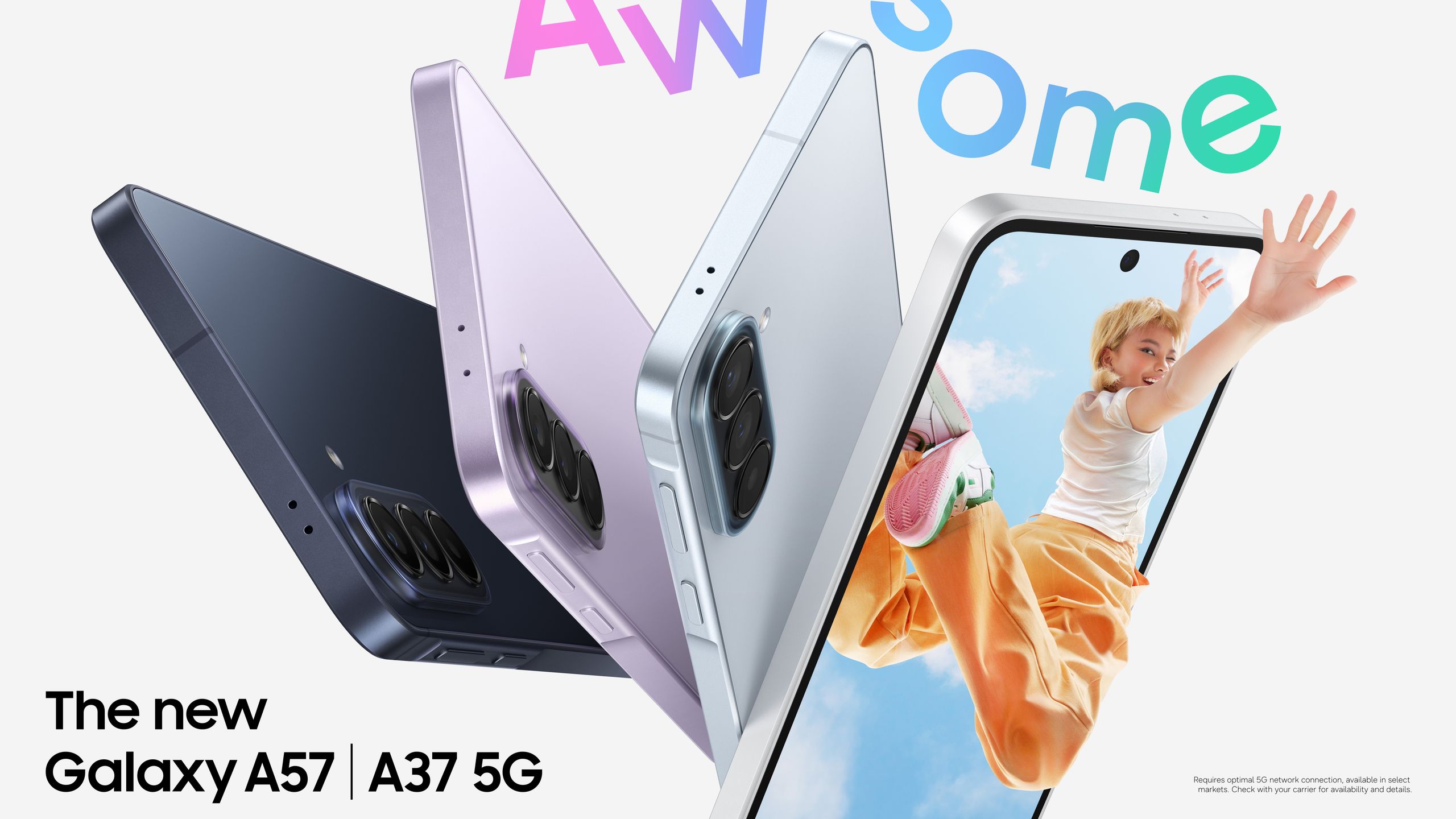
Samsung has launched the Galaxy A37 at $450 and the Galaxy A57 at $550, both $50 higher than expected, with Amazon offsetting the increase via a $50 gift card. The phones feature 6.7-inch 120Hz AMOLED displays, IP68 resistance, Galaxy AI features, and up to six years of updates, while retailers are competing on exclusive colors and bundles. The pricing change is modest and primarily affects handset buyers rather than having broad market implications.
AMZN is the clearest near-term beneficiary, but the larger read-through is that mid-range Android hardware is becoming a thinner-margin category where retail can weaponize incentives faster than OEMs can defend list pricing. A $50 gift-card offset is economically meaningful because it preserves headline ASPs while shifting the effective discount burden onto the retailer, which can be justified if it lifts attach rates on accessories, financing, and ecosystem purchases. That makes this less about unit volume and more about traffic quality and cross-sell conversion over the next 1-2 quarters.
BBY is not the obvious winner despite being in the distribution mix; when the best value proposition is tied to a retailer-specific rebate or gift card, the seller with the deepest marketplace and fulfillment engine tends to capture the most price-sensitive demand. This also subtly pressures Samsung to defend channel share with promotional support, which can compress gross margin in a segment that already relies on upgrade cycles rather than brand scarcity. If the launch drives healthy sell-through, the incremental profit pool likely accrues more to the retailer controlling the promotion than to the device maker.
GOOGL’s exposure is second-order: the article reinforces that Android hardware differentiation is increasingly being pushed into software, AI wrappers, and update guarantees rather than silicon. That is supportive for the Android ecosystem broadly, but it also highlights how little device-level AI can move willingness-to-pay when the underlying user experience remains commoditized. The contrarian takeaway is that the price increase itself is probably not the key signal; the real signal is that consumer demand remains resilient enough for OEMs to test higher prices without immediate volume collapse, which suggests this segment may be less promotional than bears expect over the next few months.
AI-powered research, real-time alerts, and portfolio analytics for institutional investors.
Request DemoOverall Sentiment
neutral
Sentiment Score
0.12
Ticker Sentiment
