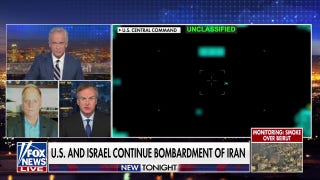
Six U.S. Army Reserve soldiers, including 20-year-old Sgt. Declan Coady, were killed in an Iranian drone strike at the Port of Shuaiba in Kuwait while supporting Operation Epic Fury, according to the Department of War; Coady enlisted in 2023 as an IT specialist and received a posthumous promotion. The incident underscores ongoing Iran-related military risks in the Gulf that could add to regional geopolitical risk premia, though this single episode is unlikely by itself to drive sustained market moves.
Market structure: Immediate winners are large defense primes (Lockheed Martin LMT, Northrop Grumman NOC, L3Harris LHX) and suppliers of air-defense/ISR and cybersecurity services due to an expected tactical procurement uptick; losers include commercial airlines (AAL, UAL), regional ports in the Gulf and shipping insurers. Expect near-term pricing power for missiles/sensors and contractor O&M work — a 5–15% revenue tailwind for program wins over 3–12 months is plausible if procurement fast-tracks.
Risk assessment: Tail risk is asymmetric — low-to-moderate probability (<15%) of escalation into wider Mideast conflict but very high economic impact (oil spike, trade disruption). Immediate (days) effects: risk-off and safe-haven flows; short-term (weeks/months): oil +5–12%, defense equities +5–15%; long-term (quarters) depends on congressional funding (watch 60–90 day window). Hidden dependencies include supply-chain bottlenecks for semiconductors/precision components and elevated insurance costs that can reroute shipping.
Trade implications: Tactical plays: buy 3-month call spreads on LMT/NOC to capture a 10–20% upside with limited premium; establish short-dated put spreads on AAL/UAL (30–45 days) to hedge travel disruption; take modest oil exposure via 1–2% position in XLE or WTI call spreads ($80/$90) for a 1–3 month horizon. Scale defense longs on any pullback >8% and trim if Brent >$95 or geopolitical headlines de‑escalate.
Contrarian angles: Markets often overreact short-term — after Soleimani (2020) oil and equities mean-reverted in ~2–4 weeks while defense winners were selective. The consensus may underprice small/mid-cap ISR suppliers (LHX, RTX smaller units) that can win rapid-award contracts; conversely, a protracted economic slowdown from energy shocks would hurt cyclicals and cut defense procurement risk premiums.
AI-powered research, real-time alerts, and portfolio analytics for institutional investors.
Request TrialOverall Sentiment
moderately negative
Sentiment Score
-0.30
