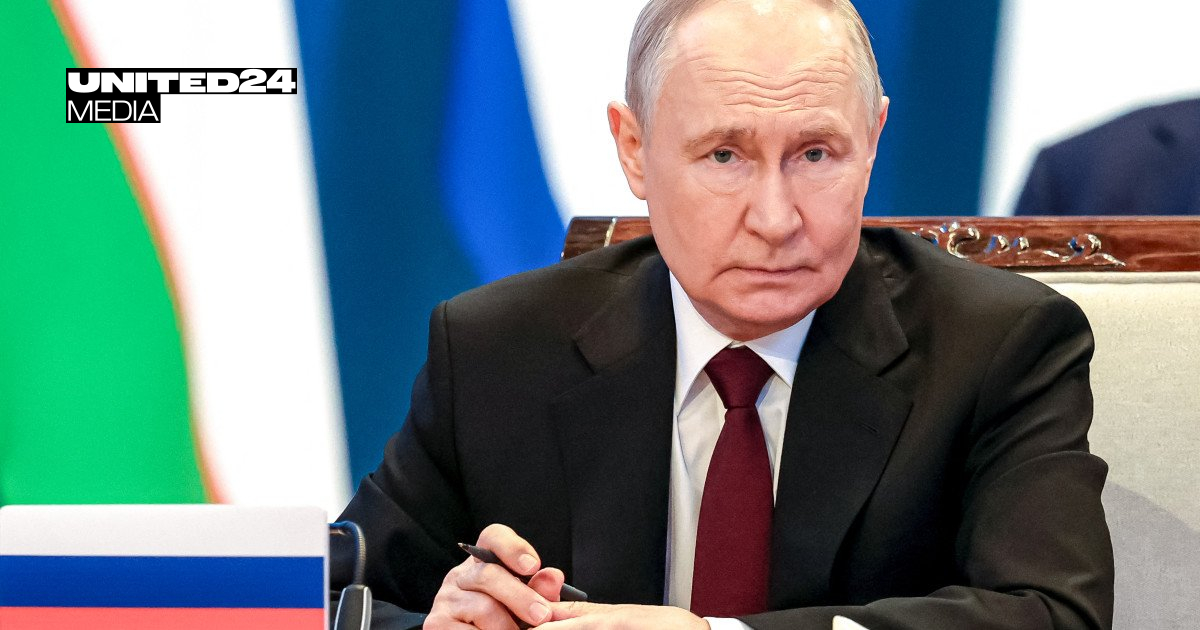
Putin said Russia’s full-scale invasion of Ukraine is nearing an end but offered no timeline and said no formal negotiations are underway. He also reiterated demands tied to a potential Zelenskyy meeting, criticized the EU and Western media, and warned NATO/Lithuania over Kaliningrad. The remarks underscore continued geopolitical risk for European defense, energy, and broader risk assets.
The market read-through is less about an imminent peace dividend and more about a likely shift from pure battlefield repricing to a higher floor in defense and air-defense spending. When Kremlin messaging starts emphasizing air defense and “final agreements,” it often signals an attempt to shape expectations ahead of a protracted conflict, which tends to keep procurement pipelines sticky even if front-line intensity ebbs. The second-order effect is that European rearmament becomes less cyclical and more structural: integrated air defense, interceptor missiles, EW, and drone-countermeasure vendors should keep outperforming broader defense baskets on backlog conversion.
The more interesting risk is that rhetoric can compress implied geopolitical volatility without actually reducing realized risk. That creates a setup where headline-sensitive assets may mean-revert, but infrastructure exposed to Ukraine, border logistics, power systems, and insurers remain vulnerable to episodic escalation over the next 1-3 months. Any credible indication of talks would likely be tactical rather than durable, and the market has historically over-discounted ceasefire language when enforcement mechanisms are absent.
Contrarian view: the article’s tone is hawkish, but the actionable signal may be that escalation is becoming geographically broader, not just deeper in Ukraine. References to Kaliningrad and Armenia suggest a widening pressure campaign around NATO’s eastern flank and the South Caucasus, which increases the probability of sanctions leakage, transport rerouting, and higher defense budgets outside the usual names. That favors companies with exposed European sovereign demand and domestic production capacity over firms dependent on rapid cross-border supply chains.
AI-powered research, real-time alerts, and portfolio analytics for institutional investors.
Request DemoOverall Sentiment
neutral
Sentiment Score
-0.10
Ticker Sentiment
