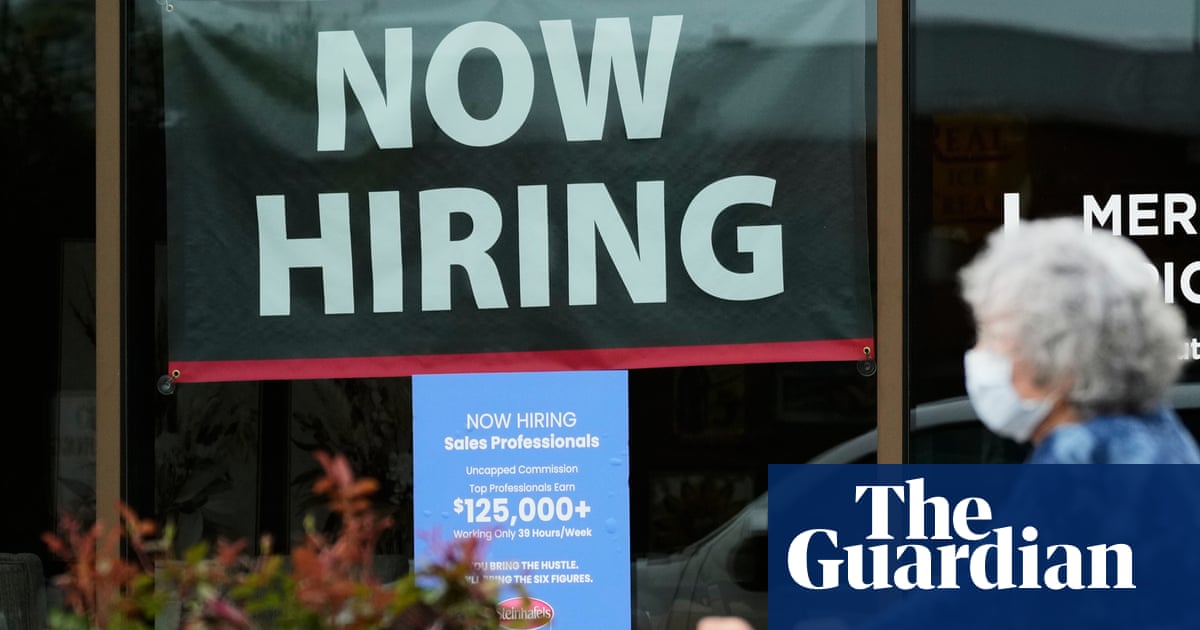
US employers added 57,000 jobs in June (about half of economist forecasts), and BLS revised May and April payroll gains down by a combined 74,000. Unemployment edged down to 4.2%, but labor force participation weakened as 720,000 people left the labor force, reinforcing a “low hire, low fire” labor market. Even as hiring slows, wage growth remains firm (pay up 4.4% YoY), while inflation has run hotter due to the Middle East (3-year high of 4.2% in May), making a continued Fed focus on price stability and at least one rate hike before year-end more likely.
The market read-through is a modest lower-for-longer rates impulse, but not a clean growth panic. The labor-force drop keeps headline unemployment artificially tight, which gives the Fed cover to wait for inflation confirmation before easing; that means the front end may not rally much until CPI validates the softer labor print. In the meantime, duration and high-quality balance sheets should outperform, while labor-intensive domestic cyclicals face a squeeze from still-elevated wage growth without the offset of stronger demand.
Second-order effects matter more than the headline miss. Weakening hiring in healthcare and leisure is a warning for staffing, temp labor, restaurants, hotels, and payments/ads tied to discretionary spend: slower payroll growth reduces operating leverage, but the margin relief from cooler wage pressure may arrive too late if traffic is already rolling over. Banks are mixed: finance wage growth supports upper-income consumption, yet a lower-hire regime typically flattens loan growth and raises late-cycle credit risk over 1-3 months.
The contrarian risk is that this is not recessionary enough to force a policy pivot before the next Fed meeting. Consensus may overprice one soft jobs report while ignoring the revisions and the fact that supply constraints can mask true slack; the real catalyst is the next CPI print. A hot inflation read or a rebound in payrolls back above roughly 150k with faster wage growth would reverse the duration trade quickly and punish rate-sensitive longs.
AI-powered research, real-time alerts, and portfolio analytics for institutional investors.
Request DemoOverall Sentiment
mildly negative
Sentiment Score
-0.25
Ticker Sentiment
