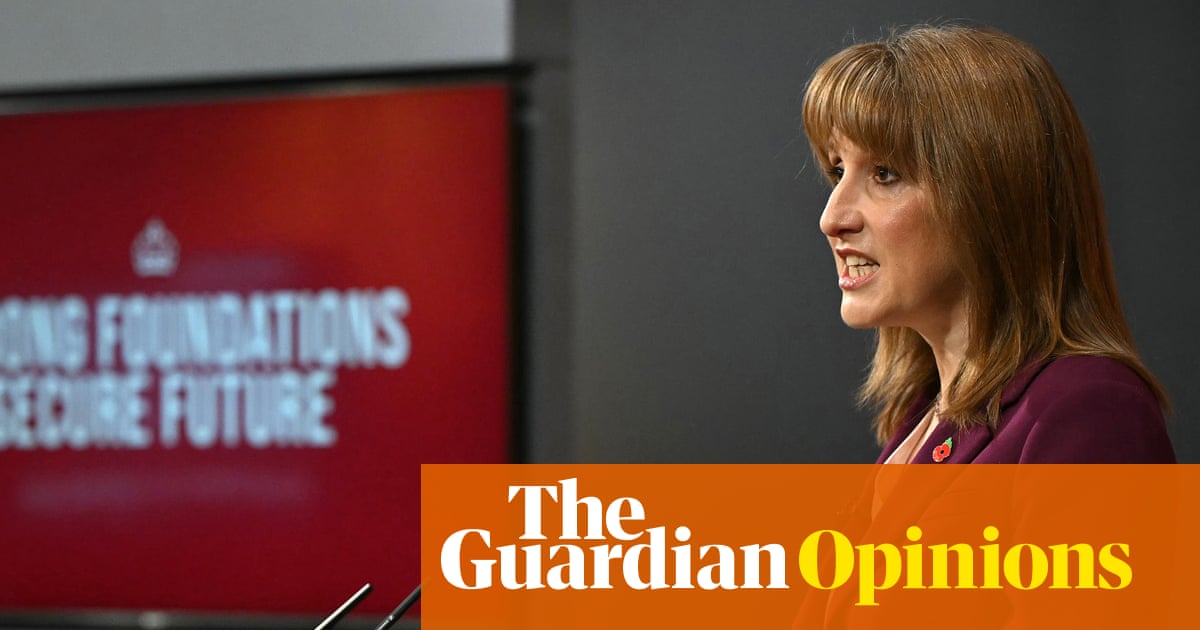
UK Shadow Chancellor Rachel Reeves is signaling a potential departure from previous pledges against increased borrowing or taxes, ahead of the upcoming budget. This shift, reportedly influenced by the Office for Budget Responsibility's (OBR) downgraded productivity forecasts, suggests a likelihood of tax increases, particularly for higher earners under a newly defined Treasury threshold. The development highlights a growing divergence between Labour's pre-election fiscal commitments and current economic realities, indicating a more challenging fiscal environment than previously communicated.
UK Shadow Chancellor Rachel Reeves is signaling a significant departure from her prior commitments against increased borrowing or taxes, a stance she articulated less than a year ago to the CBI. This policy pivot, ahead of the forthcoming budget, is primarily attributed to the Office for Budget Responsibility's (OBR) downgraded productivity forecasts for the economy. The shift indicates a more challenging fiscal environment than previously communicated, contradicting earlier "no ifs, no ands, no buts" pledges on taxation.
The article highlights a strong likelihood of tax increases, particularly for higher earners, based on a newly defined Treasury threshold of "working people" (those earning up to £45,000 annually). This redefinition implies that individuals earning above this amount could face increased tax burdens. The overall sentiment surrounding these developments is "extremely negative" and "pessimistic," suggesting concerns about the impact on consumer, business, and investor confidence.
The current situation underscores a growing divergence between Labour's pre-election fiscal promises, which were deemed "unrealistic and un-thought-through," and the present economic realities. This perceived lack of candor regarding the public finances prior to the election raises questions about political credibility. Reeves's vague references to "futuristic industries like AI and biotech" for investment are viewed as insufficient to address the immediate fiscal challenges.
AI-powered research, real-time alerts, and portfolio analytics for institutional investors.
Request DemoOverall Sentiment
extremely negative
Sentiment Score
-0.80
Ticker Sentiment
