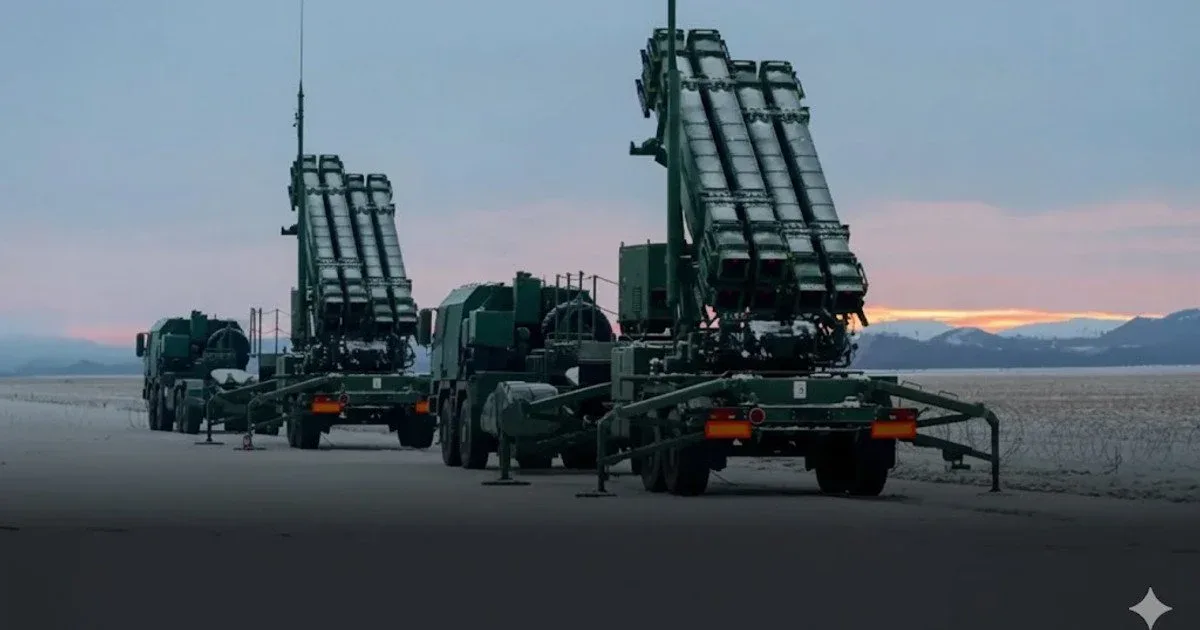
CSIS says the U.S. depleted thousands of precision-guided missiles in the campaign against Iran, including over 1,000 Tomahawks, 1,060-1,430 Patriot missiles, and up to 290 THAAD interceptors. Replenishment could take until 2029-2031, with Patriot stockpiles needing at least until mid-2029 and Tomahawks potentially not normalizing until 2030-2031, creating a "window of vulnerability" versus China. The report also implies tighter U.S. missile allocations for Ukraine as Patriot deliveries may be prioritized for domestic and allied needs.
RTX is not just seeing a headline-demand bump; this is a multi-year re-pricing of missile content intensity per unit of geopolitical risk. The bottleneck is less about end-demand and more about throughput: if the Pentagon prioritizes replenishment, prime contractors with the deepest exposure to Patriot-class interceptors and terminal defense electronics should see improved booking visibility, while lower-tier suppliers with long lead items will become the true constraint and likely gain pricing power.
The second-order winner is the U.S. industrial base outside RTX: motor housings, energetics, semiconductors, and specialty metals suppliers should benefit as primes race to de-risk component dependencies and add shifts. That matters because margin expansion may show up first in the supply chain, not the headline name, especially where program mix shifts toward urgent procurement and away from development-heavy work.
The biggest risk is policy cyclicality, not technical execution. If the administration rations exports to allies and Ukraine to rebuild domestic inventories, near-term order flow can look strong while international deliveries slip, creating a political overhang for any contractor tied to foreign military sales. The more important catalyst is the 2027 budget cycle: once procurement volumes are locked, the market will have to price a 24-36 month revenue bridge rather than a one-quarter news spike.
Contrarian angle: the market may be underestimating how much of the replenishment eventually spills into capacity capex and working capital rather than immediate earnings. That can delay FCF conversion even as backlog rises, which argues for owning the highest-quality platform names on pullbacks rather than chasing the first burst of sentiment.
AI-powered research, real-time alerts, and portfolio analytics for institutional investors.
Request DemoOverall Sentiment
moderately negative
Sentiment Score
-0.35
Ticker Sentiment
