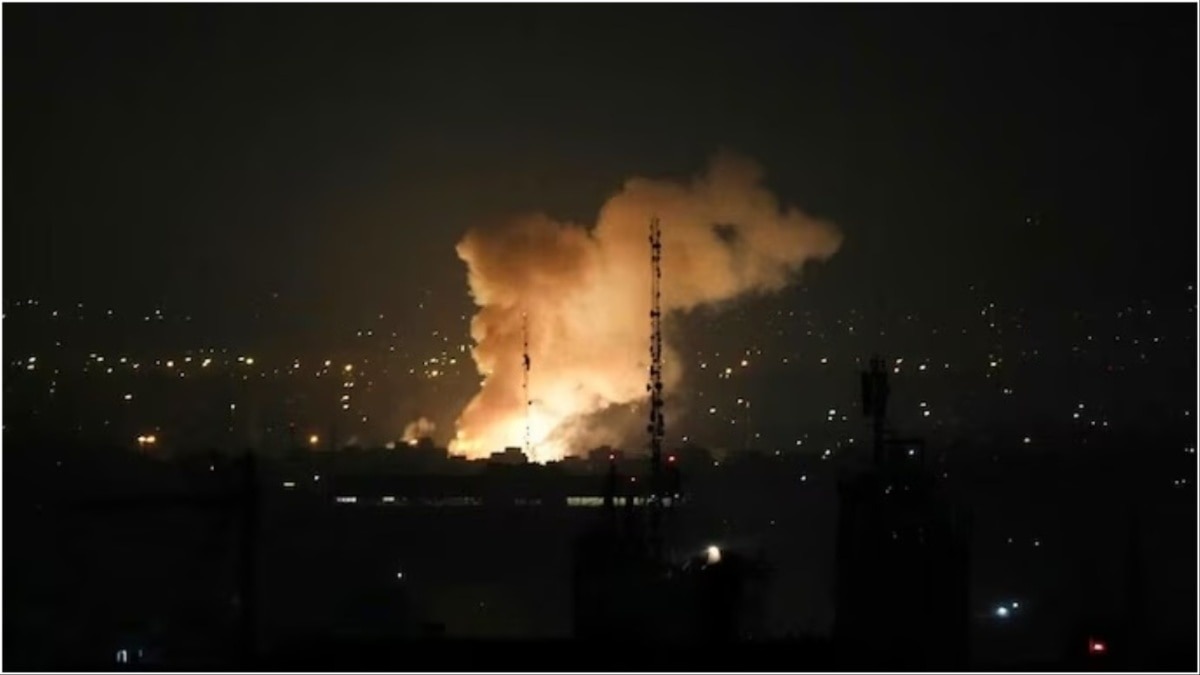
Tensions escalated sharply as Iran reported air defenses engaging hostile targets over Tehran, the US ordered its Navy to shoot and kill boats suspected of laying mines in the Strait of Hormuz, and a third US aircraft carrier arrived in the region. Iran also said it seized two foreign vessels and fired on a third, while Trump said the US has all the time in the world and warned Iran the clock is ticking. The article signals elevated geopolitical risk with potential spillovers into energy, shipping, and regional defense markets.
The market is still underpricing how quickly this can migrate from a headline risk to a working-capital shock. A sustained threat to Hormuz does not just hit crude; it tightens the entire Middle East freight stack, raises war-risk premia for tankers and LNG carriers, and forces refiners to carry more safety inventory, which can briefly make physical differentials move more violently than front-month futures. That creates a secondary beneficiary set in shipping insurance, tanker day rates, and non-Gulf crude exporters, while the biggest losers are Asian importers with just-in-time exposure and no domestic buffer.
The more important second-order effect is on energy infrastructure optionality. If the market starts pricing even a low-probability, weeks-long disruption, integrated majors with upstream diversification and downstream exposure should outperform pure refiners and high-beta E&Ps because they own the embedded hedge. Conversely, companies dependent on imported feedstock or Middle East route efficiency face a margin squeeze from both higher input costs and higher logistics costs, even if outright oil prices mean-revert.
Near term, the catalyst path is binary: a diplomatic off-ramp could deflate the risk premium fast, but any confirmed attack on shipping or mines in the waterway likely forces a repricing within 1-3 sessions. The bigger tail risk is not a prolonged closure; it is a series of intermittent disruptions that keep insurance and freight costs elevated for 1-3 months, which is enough to impair EM current accounts and pressure regional FX even if crude itself only rises modestly. The consensus is focused on oil, but the more durable trade may be in transport bottlenecks and defensive balance sheets.
Contrarian view: if the US and its allies signal credible maritime control, the premium can collapse faster than people expect, because the market is already conditioned to fade headline escalations unless physical flows are visibly impaired. That makes buying expensive outright energy beta less attractive than expressing the view through relative-value in logistics-sensitive names and options structures with defined downside.
AI-powered research, real-time alerts, and portfolio analytics for institutional investors.
Request DemoOverall Sentiment
strongly negative
Sentiment Score
-0.55
