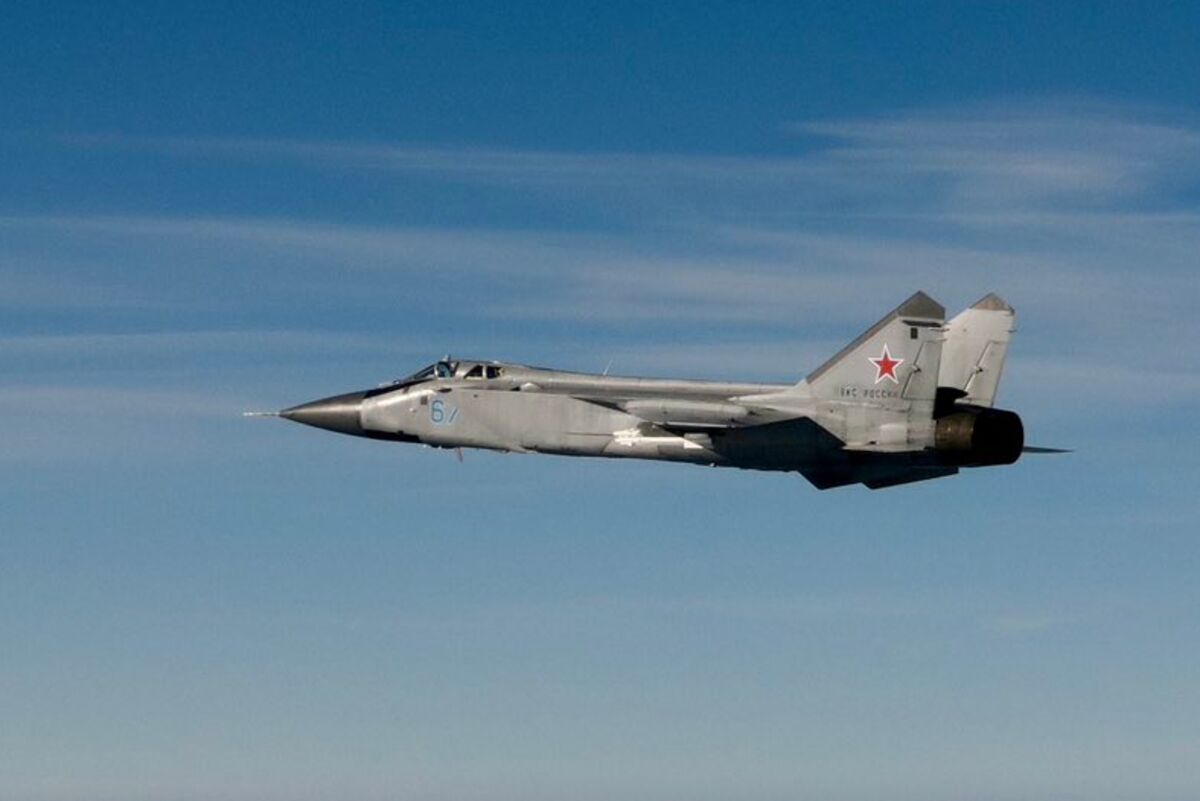
Russia's recent, successive airspace violations against NATO members Poland, Romania, and Estonia, involving drone incursions and fighter jet overflights, are significantly pressuring the alliance to formulate a strategic response. These incidents underscore escalating geopolitical tensions on NATO's eastern flank, demanding a unified and decisive reaction from the bloc.
A series of recent, deliberate airspace violations by Russia against NATO members Poland, Romania, and Estonia marks a significant escalation of geopolitical tensions on the alliance's eastern flank. The incidents, which occurred in rapid succession, involved Russian drones being shot down over Poland on September 9, another drone overflying Romania on September 13, and a 12-minute incursion by MiG-31 fighter jets into Estonian airspace on September 19. This pattern of provocation is now compelling the NATO alliance to deliberate on a unified response, introducing a high degree of uncertainty and risk into the regional security environment, a sentiment reflected by the strongly negative sentiment score (-0.65) and uncertain tone associated with the events.
AI-powered research, real-time alerts, and portfolio analytics for institutional investors.
Request DemoOverall Sentiment
strongly negative
Sentiment Score
-0.65
