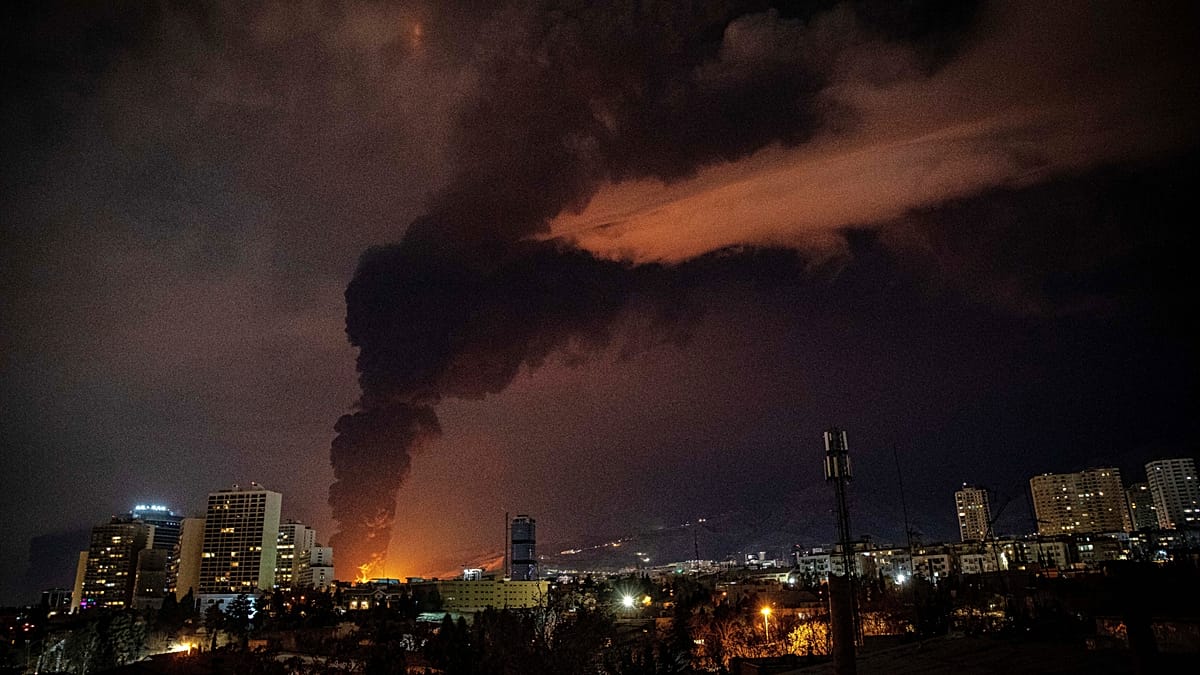
Operation Epic Fury (28 Feb 2026) and Iran’s large missile/drone reprisals have escalated into a multi-front conflict that closed the Strait of Hormuz and pushed European natural gas prices ~+40%. EU gas storage stands at ~46 bcm versus 77 bcm in 2024, exposing energy-security and fiscal vulnerabilities even as the EU activates UCPM evacuations (40+ flights, >4,000 Europeans repatriated) and emergency funds. Authorities cite ECB liquidity facilities, ESM emergency lending, the fiscal 'general escape clause', and 90-day strategic oil reserves as the main financial backstops, but expect pronounced market volatility, energy-driven inflationary pressure, and increased sovereign financing needs.
The market reaction will be dominated by a sustained premium on marginal energy supplies and logistics capacity rather than a single discrete price spike — that premium compounds via higher freight/insurance costs, lengthening of delivery chains, and accelerated cargo re-routing that favors flexible exporters and charter owners. Expect the peak squeeze on marginal LNG and refined product flows to manifest over the next 3–6 months while additional supply projects and rerouted shipments work through contractual and shipping frictions.
From a policy/macro perspective, the ECB is likely to prioritize targeted liquidity and bank-specific relief over full-blown monetary easing; that choice implies a multi-month divergence where core sovereigns act as safe-haven duration plays while peripheral spreads widen and sovereign CDS volatility increases. Fiscal backstops (collective issuance or ESM-style facilities) will be available but politically constrained, so pricing in differentiated credit stress across the periphery is prudent.
Defense primes and specialist industrial suppliers gain durable order-visibility, yet real bottlenecks (semiconductors, specialty metals, precision machining) will compress delivery margins and push costs into multi-quarter lead times — the winners are firms with vertically integrated supply or secured long-term contracts, not just headline primes. Simultaneously, cyber-security vendors see an immediate bookings cadence lift as governments and corporations rush to shore up critical infrastructure, creating a near-term revenue pop and multi-quarter retention upside.
Policy responses (windfall taxes, temporary price caps, emergency fiscal reallocations) are the largest asymmetric risks to energy equities and utilities; these interventions cap upside for integrated European players while transferring political tail-risk to sovereign balance sheets and insurer liabilities. The sequencing — energy premium first, policy intervention second — offers tactical windows for directional and pair trades over weeks to quarters.
AI-powered research, real-time alerts, and portfolio analytics for institutional investors.
Request DemoOverall Sentiment
strongly negative
Sentiment Score
-0.80
