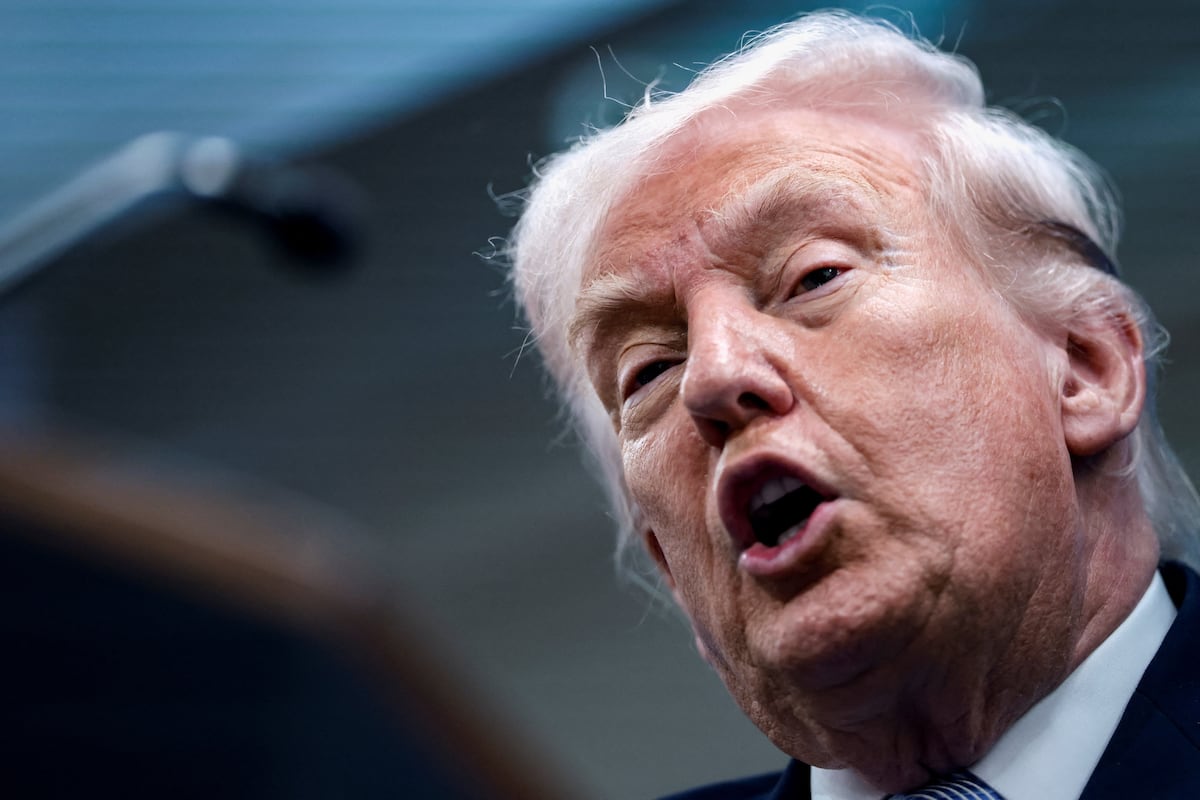
Approximately 10 million barrels per day — about 25% of typical global oil and gas flows — are being prevented from reaching markets due to the near-closure of the Strait of Hormuz, posing acute energy-market risk. President Trump publicly chastised NATO for not supporting U.S. operations in Iran and signaled a post-war reassessment of U.S. force posture and potential alliance withdrawal, increasing geopolitical strain with allies. UK-led and NATO efforts to reopen the strait are underway, but prolonged disruption could materially tighten oil markets and drive broader market volatility.
A geopolitically driven disruption of a major seaborne chokepoint pushes markets to price in an immediate "insurance shock": commercial underwriters and P&I clubs withdraw capacity or levy war-risk premiums before physical flows are curtailed, creating front-month volatility that typically moves oil and freight spreads by single-digit to double-digit percent within days. That dynamic amplifies realized price moves because traders who can store crude or access longer-dated freight contracts arbitrage the gap between immediate delivery constraints and eventual throughput normalization.
Rerouting cargoes around longer passages increases voyage duration and bunker consumption materially — expect voyage times to rise by roughly 10-25%, which mechanically tightens effective tanker and bulk shipping capacity even if nominal supply exists. This benefits owners of large crude carriers and storage-capable tonnage in the near-to-intermediate term, while accelerating fuel and freight costs for trade-exposed manufacturers and container lines, compressing margins for just-in-time supply chains.
Political friction among alliance partners tends to accelerate European defense budgeting and logistics outsourcing over a 12–36 month horizon, creating multi-year revenue uplifts for primes and systems integrators tied to basing, ISR, and maritime security contracts. Conversely, short-cycle sectors (airlines, leisure travel, some refiners with weak crack positions) are the most exposed to a sustained premium environment; a diplomatic de-escalation or coordinated strategic reserve release are the primary avenues for a rapid unwind of those premia.
Tail scenarios span days to years: a swift coalition-led security corridor or large SPR release can erase most of the price/insurance shock within 2–8 weeks, while protracted denial of safe passage could embed structural costs into global trade and push energy-driven inflation into monetary policy action over quarters. Watch shipping insurance issuance, VLCC/AFRA time-charter hirings, and announced European defense tenders as the highest-signal indicators across these time horizons.
AI-powered research, real-time alerts, and portfolio analytics for institutional investors.
Request DemoOverall Sentiment
moderately negative
Sentiment Score
-0.60
