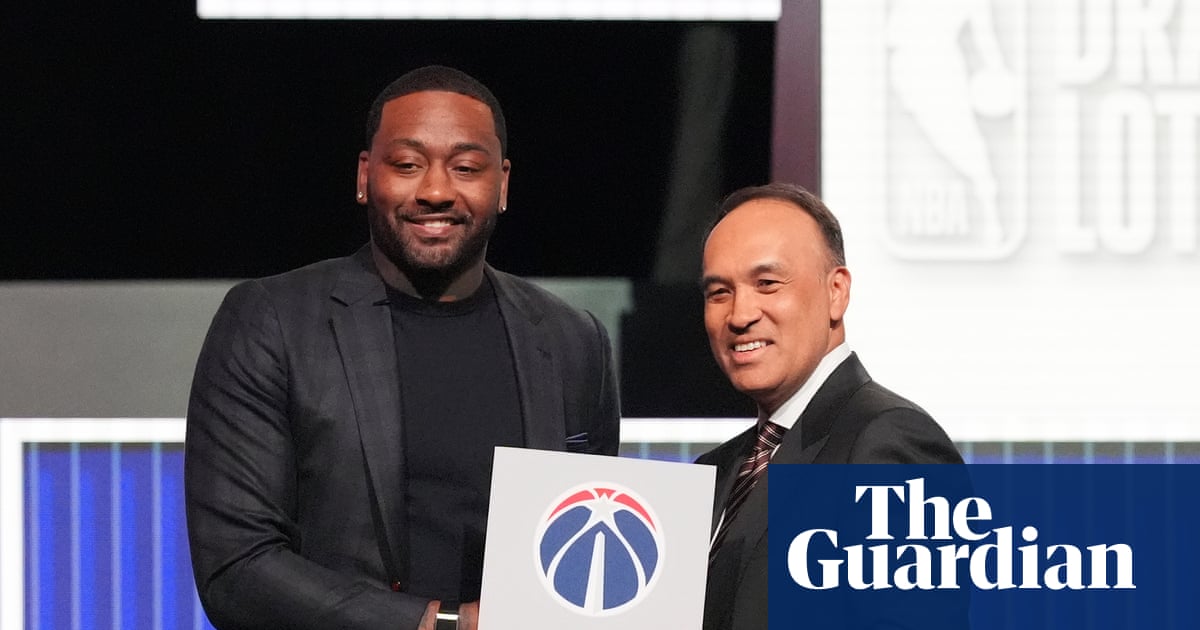
The Washington Wizards won the NBA draft lottery and will pick No. 1 overall for the first time since selecting John Wall in 2010. Utah, Memphis, and Chicago will pick Nos. 2, 3, and 4, while the Clippers move into No. 5 via a trade. The article also notes the league may expand lottery odds and grow the field from 14 to 16 teams pending Board of Governors approval.
The immediate market reaction is mostly a sentiment repricing, not a fundamentals event: the real asset is optionality around a potentially franchise-defining pick, and that tends to matter more for long-duration fan engagement than near-term team performance. The bigger second-order effect is on the tanking ecosystem: if the league makes the proposed odds flattening permanent, the expected value of bottoming out drops meaningfully, which should compress the incentive to strip-roster and could lift the middle of the standings at the expense of the very worst teams.
For ownership, this is a governance and monetization catalyst. A top pick can accelerate local relevance, sponsorship renewal, and season-ticket conversion over a 12-24 month horizon, but only if the player lands as an above-average rookie quickly enough to re-anchor the brand. The risk is that the odds reform creates a false sense of parity: if the worst teams can no longer credibly “buy” a franchise savior through losing, management may respond by overpaying in free agency or trades, raising the probability of cap misallocation and a longer recovery curve.
The contrarian angle is that a flatter lottery may actually benefit competent but non-contending organizations more than the league’s chronic bottom-feeders. If the worst teams lose their ability to game the system, the value migrates toward teams with decent infrastructure that can absorb a rookie star without forcing immediate overreach. In that world, the best trade is not to chase the lottery winner, but to own the ecosystem winners: teams with young cores, clean cap sheets, and a realistic path to compounding draft capital into wins.
The near-term catalyst is the Board vote and any signaling from GMs on whether the reform survives intact. If the league pushes through the new format, expect a multi-quarter compression in tanking-related narratives and a modest uplift in competitive balance across the middle tier; if it stalls, expect the current incentive structure to persist and the same teams to continue optimizing for draft position rather than wins.
AI-powered research, real-time alerts, and portfolio analytics for institutional investors.
Request DemoOverall Sentiment
neutral
Sentiment Score
0.05
