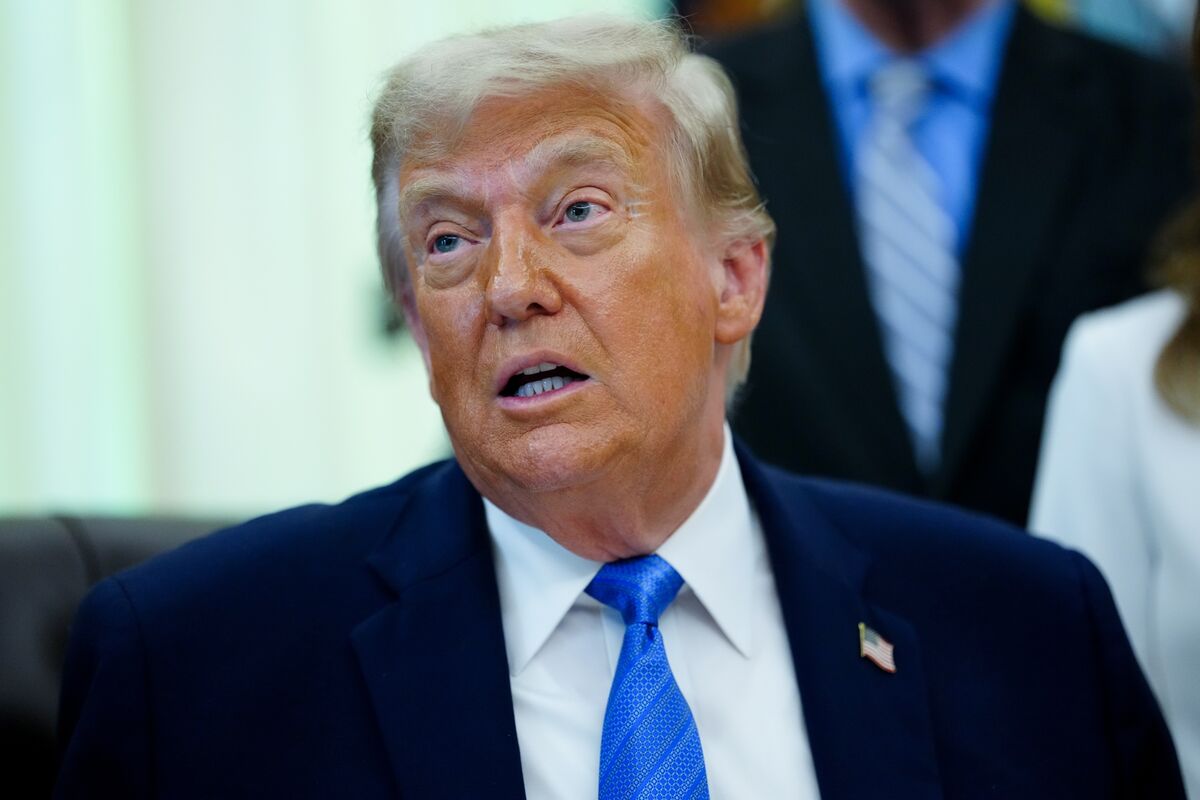
Trump denied accusations that a $10 billion lawsuit against the IRS was used to engineer a $1.8 billion fund for alleged victims of political "weaponization." His lawyers argued the Justice Department had legal authority to enter the agreement and said objections from former federal judges were based on inference and speculation. The article is primarily a political-legal dispute with limited direct market impact.
This is less a single-company headline than a stress test of institutional credibility around administrative process and retroactive settlements. The key market implication is that legal-process risk is becoming more political and less predictable, which raises the discount rate for any asset or claim whose value depends on negotiated remedies, agency discretion, or settlement finality. That tends to favor parties with cleaner balance sheets and less headline exposure while penalizing advisers, lobbyists, and politically adjacent consultants whose revenue is tied to government-derived flows.
Second-order, the more important channel is not the alleged fund itself but the precedent: if courts or regulators become willing to unwind politically motivated settlements, then the expected value of similar “special situation” claims falls. That can compress the perceived optionality embedded in litigation finance, distressed claims, and certain regulation-sensitive event-driven trades over the next 3-12 months. Conversely, any institution seen as facilitating the structure faces reputational risk and potentially higher compliance costs, even if no direct legal liability follows.
The contrarian view is that the market may be overpricing immediate tail risk. This is a slow-moving governance issue, and unless there is a fast injunction or a credible criminal-referral angle, the near-term tradable move may fade quickly. The better expression is to fade names with direct exposure to government settlement discretion only on strength, while keeping dry powder for a volatility spike if the case advances into discovery or a judicial finding of bad faith emerges.
In short, the event is a regime signal: the premium for political complexity is rising. That should widen bid-ask spreads in event-driven legal credits and make investors demand more explicit downside protection before funding claims tied to regulatory or prosecutorial outcomes.
AI-powered research, real-time alerts, and portfolio analytics for institutional investors.
Request DemoOverall Sentiment
neutral
Sentiment Score
-0.10
Ticker Sentiment
