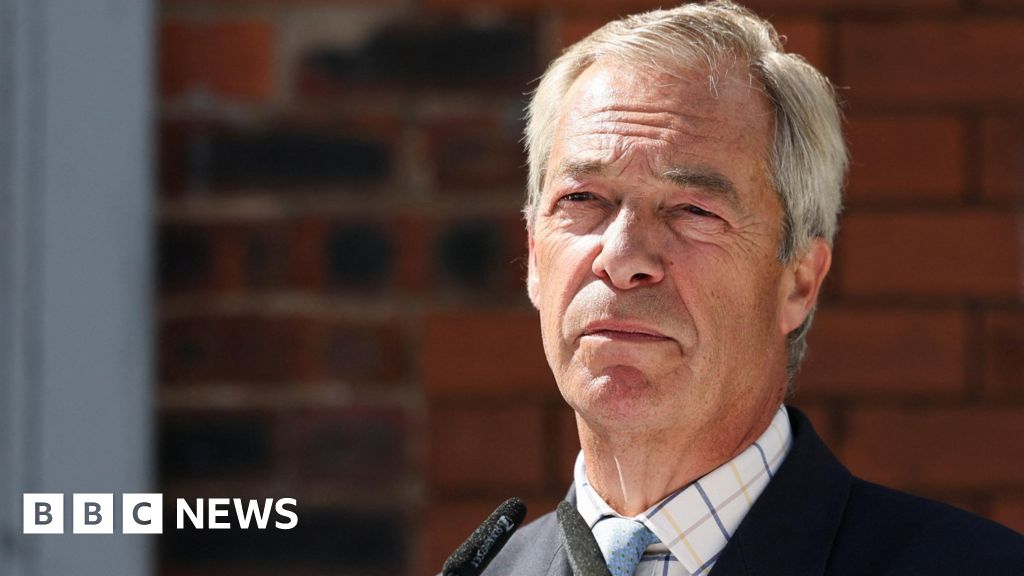
Reform UK finished second in the Makerfield by-election, more than 9,000 votes behind Labour, while Restore Britain took around 7% of the vote in its first Westminster contest. Nigel Farage said anti-Starmer tactical voting and defections to Restore cost Reform about 2,000 votes, complicating its positioning as the main challenger on the right. The result has limited direct market impact but is relevant for UK political sentiment ahead of the next general election.
The more important signal is not Reform’s vote share but the fragmentation of the anti-incumbent/right-of-center protest lane. That makes the next few quarters harder for any single challenger to monetize dissatisfaction: when voters are mainly expressing “remove the government” rather than endorsing a program, the marginal seat gains go to whoever is perceived as most plausible locally, not nationally. In practice, that favors incumbency at the constituency level and suppresses the probability that a protest wave cleanly translates into parliamentary seats.
The emergence of a credible splinter on the right is a second-order negative for Reform because it raises the cost of maintaining a broad coalition. To prevent further leakage, the party may continue shifting toward harder-edged immigration and welfare rhetoric, which can improve share among low-propensity voters but usually worsens crossover appeal and makes fundraising from mainstream donors more difficult. That dynamic is typically self-reinforcing over a 6-12 month horizon: more radical positioning narrows the base, which increases dependence on message intensity, which further narrows the base.
The bigger contrarian takeaway is that the market may be overpricing the durability of any single anti-establishment vehicle. If the opposition vote remains split, the incumbent government’s re-election odds can improve even when approval remains weak, because electoral math rewards consolidation more than enthusiasm. The real catalyst to watch is whether right-wing fragmentation becomes organizationally sticky over the next 2-3 local cycles; if Restore can keep even low-single-digit national support, it becomes a persistent spoiler rather than a one-off protest vehicle.
AI-powered research, real-time alerts, and portfolio analytics for institutional investors.
Request DemoOverall Sentiment
neutral
Sentiment Score
-0.10
