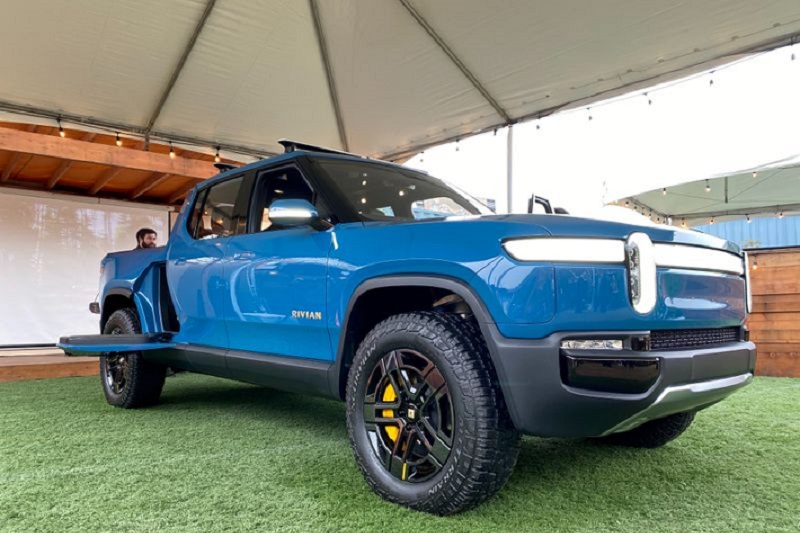
UBS reiterated a Neutral rating and $16 price target on Rivian, saying it has difficulty seeing Rivian’s platform model gaining traction in the near term. The note highlighted Rivian’s low 2.67% gross profit margin over the last 12 months and uncertainty around whether legacy automakers will adopt its EV architecture and autonomous software. Recent delivery results and the Redwood Materials energy storage partnership provide some offset, but the overall analyst tone remains cautious.
The market is likely underestimating how hard it is to create a shared EV software stack before the hardware economics have converged. Legacy OEMs have little incentive to hand over control of the user interface and autonomous roadmap to an external platform provider while their own brand differentiation is already under pressure, so the near-term adoption odds look low even if the cost-savings story is compelling in theory. That makes this more of a strategic signaling event than an immediate revenue catalyst for RIVN.
For Rivian, the second-order risk is distraction: pursuing a platform licensor narrative can slow execution on the one thing the equity actually needs—margin expansion in its own vehicle business. With gross margins still near breakeven, any capital or management bandwidth diverted toward a long-dated ecosystem play could prolong the cash-burn debate and keep the stock range-bound for several quarters. The real beneficiaries, if anything emerges, are the largest OEMs with balance-sheet flexibility to wait out the platform wars and the suppliers that sell standardized modules into multiple brands.
TSLA is the cleaner structural winner because it already owns the platform, data, and software integration layer; a fragmented legacy-OEM alliance would be more likely to reinforce Tesla’s lead than erode it. By contrast, AAPL is only relevant as a mental model, not a tradable analogue—this is a market-structure debate, not a consumer-hardware one. The contrarian read is that the headline is slightly bearish for RIVN near term but not decisive enough to justify a deep-short; the stock needs evidence of margin inflection or a credible partner announcement, not just an architectural pitch, to rerate meaningfully.
Catalyst timing matters: over the next 1-3 months, expect mostly skepticism until a concrete OEM pilot appears; over 12-24 months, a platform model could matter if regulators, software-defined vehicles, and cost pressure force standardization. The key reversal signal would be a named legacy automaker committing to a multi-year production program, which would shift this from narrative to backlog and could compress the valuation gap quickly.
AI-powered research, real-time alerts, and portfolio analytics for institutional investors.
Request TrialOverall Sentiment
mildly negative
Sentiment Score
-0.15
Ticker Sentiment
