
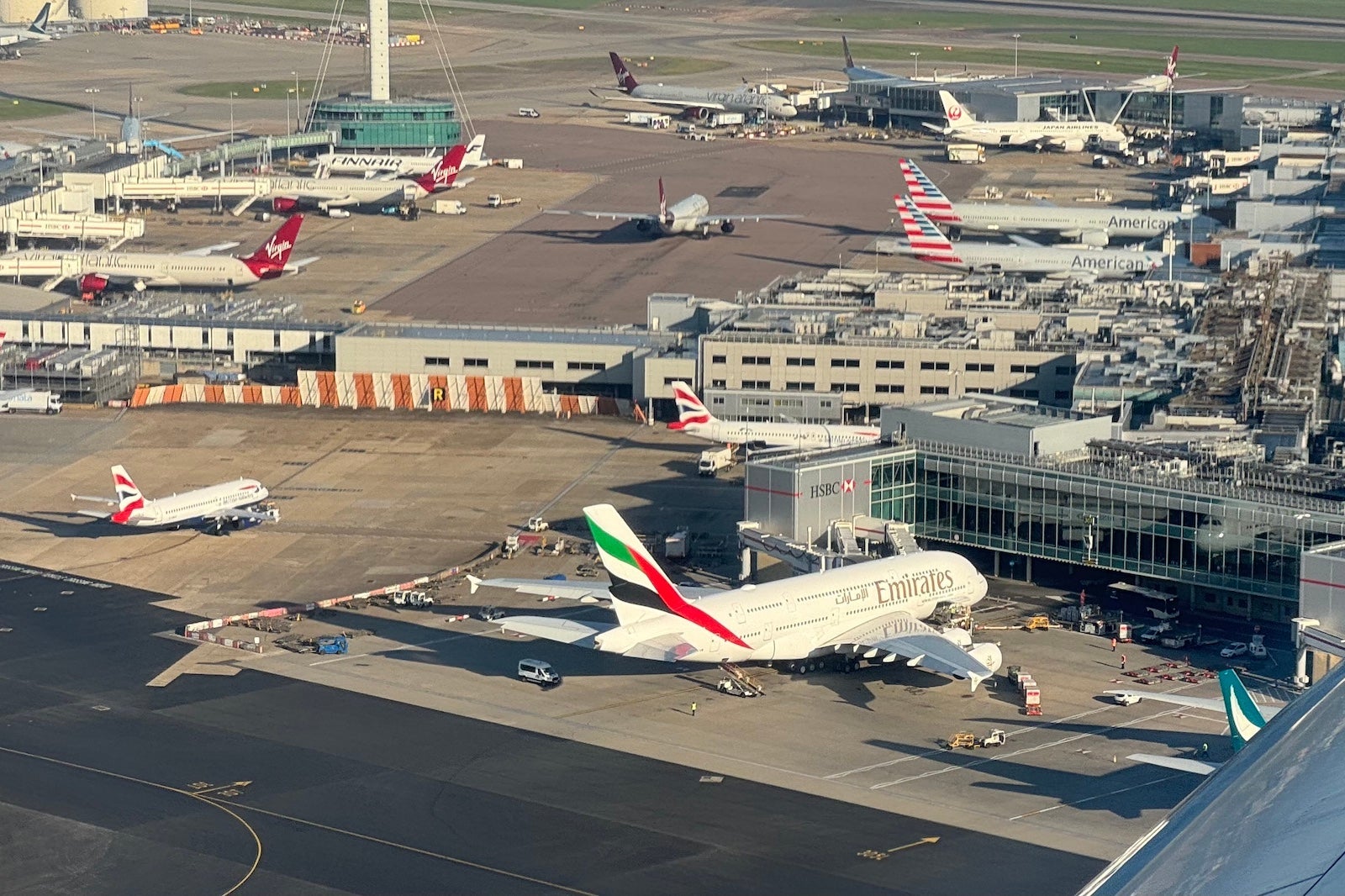
Europe may have only about six weeks of jet fuel left, raising the risk of flight cancellations, route cuts, and broader summer travel disruption. Airfares for domestic flights booked 3-5 weeks out are already about 15% higher year over year, and several airlines including Ryanair, Norse Atlantic, Edelweiss, and Lufthansa have announced cutbacks. While the Strait of Hormuz is reportedly reopening, fuel-supply uncertainty remains a major headwind for transatlantic and intra-Europe travel.
The market is likely underestimating how quickly a fuel-supply scare turns from an airline margin story into a network-capacity story. The first-order hit is obvious: weaker load factors, higher unit costs, and a sharper split between carriers with pricing power and those forced to sell seats into a disrupted schedule. The second-order effect is more interesting: if European short-haul flying gets rationed, rail and ground transport capture incremental demand, while long-haul transatlantic demand holds up better because travelers are more reluctant to abandon those trips entirely.
RYAAY is the cleanest public-market expression, but the setup is nuanced. A fuel shortage does not automatically equal higher fares for Ryanair if it cannot reliably source fuel at certain airports; that turns the issue from margin compression into capacity loss and potentially weaker ancillary revenue conversion. The real pain likely lands on smaller low-cost and leisure carriers first, because they have less network flexibility, less ability to absorb reroutes, and lower tolerance for empty seats.
Consensus may be too focused on the current cost spike and not enough on inventory-duration risk. If the shortage resolves within a few weeks, the equity impact fades quickly and the trade becomes a tactical sentiment washout rather than a fundamental re-rate. But if disruptions persist into the summer booking window, the market will begin pricing in cascading effects: weaker airport throughput, lower tourism spend, and higher working-capital drag across the travel ecosystem.
Contrarian angle: the selloff in European airline names may overshoot because operational rationing can actually improve yield discipline for the strongest carriers, especially if weaker competitors cut capacity first. In that scenario, the biggest beneficiaries are not the airlines themselves but adjacent beneficiaries of modal shift and trip replacement behavior, particularly rail operators and online travel intermediaries with flexible inventory.
AI-powered research, real-time alerts, and portfolio analytics for institutional investors.
Request TrialOverall Sentiment
moderately negative
Sentiment Score
-0.45
Ticker Sentiment
