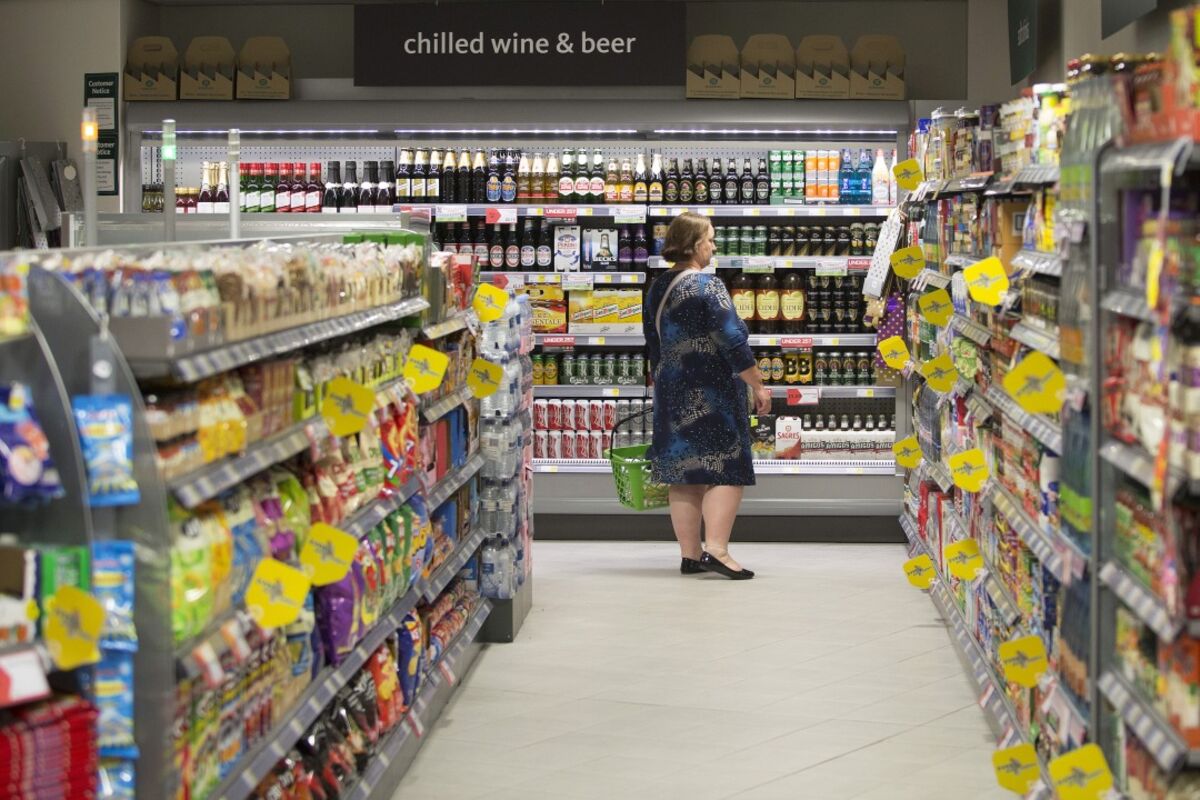
The UK Office for National Statistics will add non-alcoholic beer to the CPI basket, merge different wine categories into a single category, and begin tracking hummus to better represent processed vegetable products. The changes reflect shifting consumer preferences toward alcohol-free options and more plant-based items and may modestly affect headline inflation composition and sector-level weights but are unlikely to materially change near-term inflation readings.
Shifts in consumption away from traditional wine toward lower‑ABV and plant‑based items will reallocate margin pools along the beverage and grocery supply chain rather than erase them. Brewers with flexible production and lightweight packaging win procurement efficiencies (barley, hops, cans) and faster SKU turnover; grape‑dependent vintners face longer lead times to adjust and greater exposure to yield volatility.
Because statistical basket tweaks tend to smooth category volatility, the immediate second‑order macro effect is a small, persistent downward bias to month‑over‑month headline swings rather than a material change to multi‑year trend inflation. That creates a window — measured in quarters — where growth‑sensitive assets can reprice if markets take reported CPI lower, but true service and housing inflation remain the dominant drivers for central bank decisions.
Retailers and private‑label processors receive asymmetric optionality: private‑label hummus and non‑alc SKUs compress gross margins per unit but increase basket spend frequency, improving category ROIs for grocers with scale and cold‑chain capability. Conversely, specialist wine retailers and listed vintners with limited SKU breadth will see negotiating leverage with supermarkets decline, amplifying consolidation pressure.
Key catalysts to watch are: (1) duty/tax policy changes that reprice alcoholic substitution (weeks→months), (2) crop/ingredient shocks in Mediterranean supply chains that widen cost differentials (seasonal→annual), and (3) a BoE reaction function that discounts small CPI composition tweaks if core services remain sticky (quarters). Any of these can flip the winners/losers dynamic quickly.
AI-powered research, real-time alerts, and portfolio analytics for institutional investors.
Request DemoOverall Sentiment
neutral
Sentiment Score
0.00
