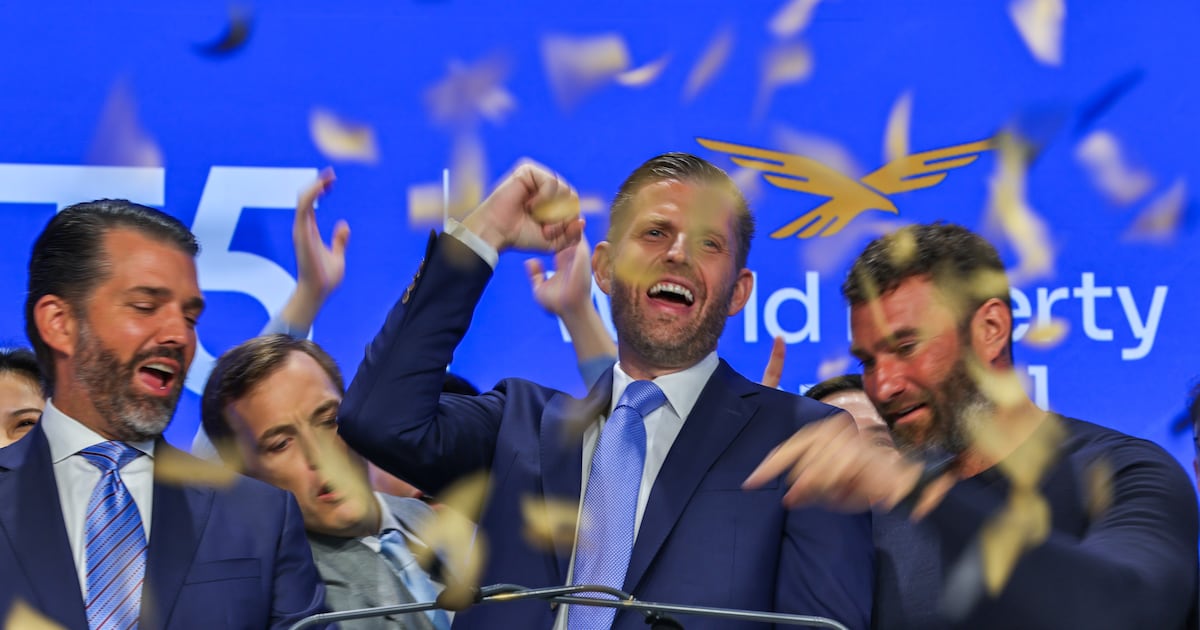
World Liberty Financial has filed a defamation lawsuit against crypto entrepreneur Justin Sun, escalating a dispute over frozen WLFI tokens, alleged prohibited transfers, and short selling. Sun had previously sued WLFI in April, claiming the company illegally froze tens of millions of dollars of his tokens and blocked sales that could have cost him hundreds of millions. The case adds legal and reputational pressure on a Trump-backed crypto project already facing scrutiny over token controls and investor relations.
This is less about one token dispute and more about whether WLFI can be priced like a normal launch or as a litigation-sensitive insider-controlled asset. Once a project publicly asserts the right to freeze balances, the market will apply a governance discount to every future token unlock, because holders now have to price not just dilution but discretionary transfer risk. That should widen bid-ask spreads, depress secondary turnover, and make any future exchange/listing process harder and more expensive.
The second-order damage lands on the broader Trump-linked crypto complex: reputational contagion can reduce the marginal buyer’s willingness to hold associated tokens, sponsor counterparties, or provide market-making capital. Even if the suit is mostly theater, the existence of mutual allegations around bot activity, coordinated influencers, and short-selling reinforces a narrative that this ecosystem is closer to a political-meme trade than an investable network. That tends to favor established assets with cleaner governance and deeper liquidity, while smaller “founder-brand” tokens face higher required returns and faster drawdowns on bad headlines.
Catalyst-wise, the next 2-8 weeks matter more than the court outcome. Discovery, counterstatements, and any exchange-side actions could trigger fresh volatility, but the real tail risk is a broader compliance response if regulators infer token-freeze practices and related-party allocation issues are systemic rather than isolated. Conversely, the trend could reverse only if WLFI demonstrates transparent token controls, independent custody, and a credible governance framework that removes discretion from insiders.
The contrarian view is that the market may be overestimating immediate legal damage and underestimating how quickly crypto traders re-engage after scandal. If the case stays in civil court and no regulator broadens the probe, the token could mean-revert on the expectation that most holders care more about liquidity than process. But that rebound is likely tactical, not structural: governance scar tissue usually persists long after the headlines fade.
AI-powered research, real-time alerts, and portfolio analytics for institutional investors.
Request DemoOverall Sentiment
moderately negative
Sentiment Score
-0.45
