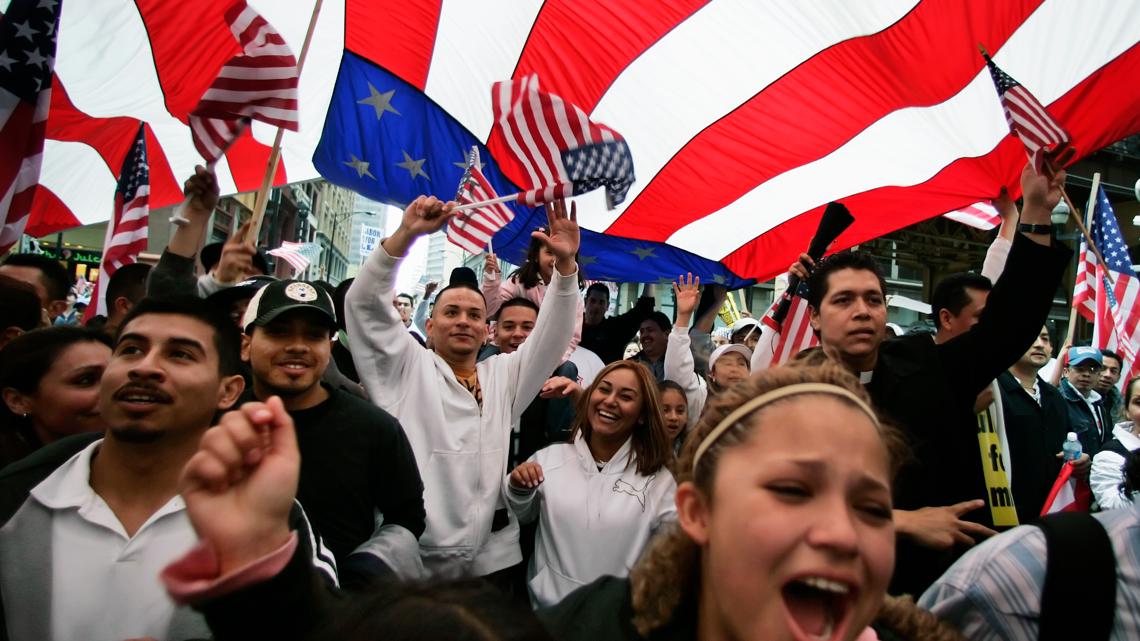
May Day protests are drawing labor unions and activist groups in the U.S. and globally, with demands centered on higher wages, stronger worker protections, and opposition to immigration enforcement policies. The demonstrations highlight pressure from rising living costs, including higher energy prices tied to global conflict, but the piece does not describe a direct market event or policy change. Market impact should be limited absent escalation or concrete legislative response.
The market implication here is less about one-day protest optics and more about whether labor activism becomes a durable input-cost narrative. If the demonstrations broaden into coordinated work stoppages or sustained boycott behavior, the first-order hit is modest, but the second-order effect is a renewed wage-setting push in lower-margin consumer and service industries where labor is already the binding constraint. That argues for relative pressure on employers with high payroll intensity and weak pricing power, while firms with automation leverage or variable labor models can absorb the noise.
The bigger underappreciated channel is political duration risk: this is an election-year setup where labor rhetoric can harden into policy proposals around minimum wages, scheduling rules, immigration enforcement, and workplace protections. Those changes would not hit earnings overnight, but they extend the horizon for margin compression in retail, restaurants, logistics, and small-cap consumer names. The more immediate risk is sentiment-driven, with investors extrapolating a temporary protest wave into sticky labor inflation and margin guidance caution over the next 1-2 earnings seasons.
Contrarianly, the consensus may be overestimating the probability of a broad consumer slowdown. Boycotts are usually more effective as signaling than as sustained demand destruction; absent labor market deterioration, household spending tends to reappear quickly. The more durable winner could be automation/efficiency beneficiaries, because the market often remembers labor activism as a wage story but underprices the capex cycle that follows when employers try to reduce future bargaining power.
AI-powered research, real-time alerts, and portfolio analytics for institutional investors.
Request DemoOverall Sentiment
neutral
Sentiment Score
-0.10
