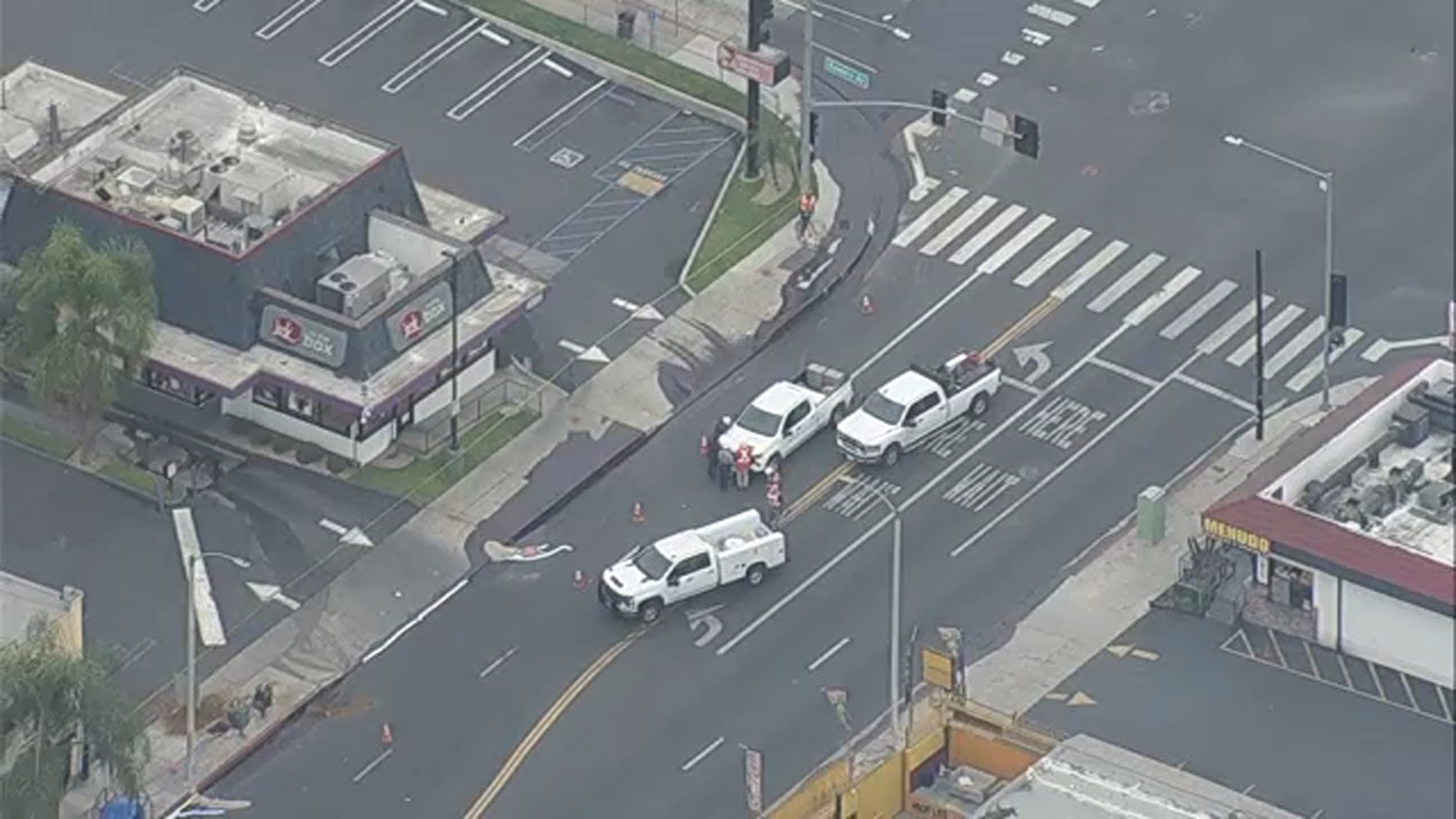
A crude oil pipeline was struck during fiber-optic drilling in East Los Angeles, leaking an estimated less than 2,000 gallons at roughly half a gallon per second before being shut down after 40 minutes. The spill created an environmental hazard by reaching nearby storm drains and triggered road closures affecting at least 7 neighborhood schools. Cleanup is expected to continue through Friday, with crews using sand, pressure washing, and vacuuming to prevent further sewer contamination.
This is a short-lived operational shock, but the second-order risk is not the headline spill volume; it is the forced re-routing and cleanup friction around a critical urban corridor. The immediate economic damage is concentrated in local logistics, municipal services, and any time-sensitive deliveries crossing East LA, while the real market signal is for higher near-term compliance and remediation costs across underground utility projects in dense cities.
The bigger takeaway for energy infrastructure is that the weakest link is not the pipeline operator alone but the excavation ecosystem: fiber buildout, civil contractors, permit issuance, and municipal coordination all become more expensive after a visible incident like this. That tends to slow project cadence for weeks to months, especially in California where ESG scrutiny and local political pressure can convert a one-off accident into broader permitting delays and higher insurance pricing for trenching and directional drilling.
For the energy market, the spill is too small to matter on supply, but it does reinforce the “hidden infrastructure tax” embedded in moving crude through urbanized corridors. Over time, that favors larger, better-capitalized midstream networks and operators with superior integrity management, while smaller contractors and underinsured subs face margin compression and possible litigation overhang. The contrarian point is that these events often sound bearish for all energy infrastructure, but the beneficiaries are usually the operators with the deepest compliance budgets and the cleanest balance sheets.
Near term, the catalyst set is environmental testing and cleanup scope; if storm-drain contamination is broader than initially framed, local headlines could extend the closure window and drive a temporary spike in contractor and insurer scrutiny. Medium term, any policy response that tightens utility-drilling rules would be a quiet but real headwind for fiber rollout economics in California, with delays showing up in project IRRs before they show up in reported earnings.
AI-powered research, real-time alerts, and portfolio analytics for institutional investors.
Request DemoOverall Sentiment
mildly negative
Sentiment Score
-0.35
