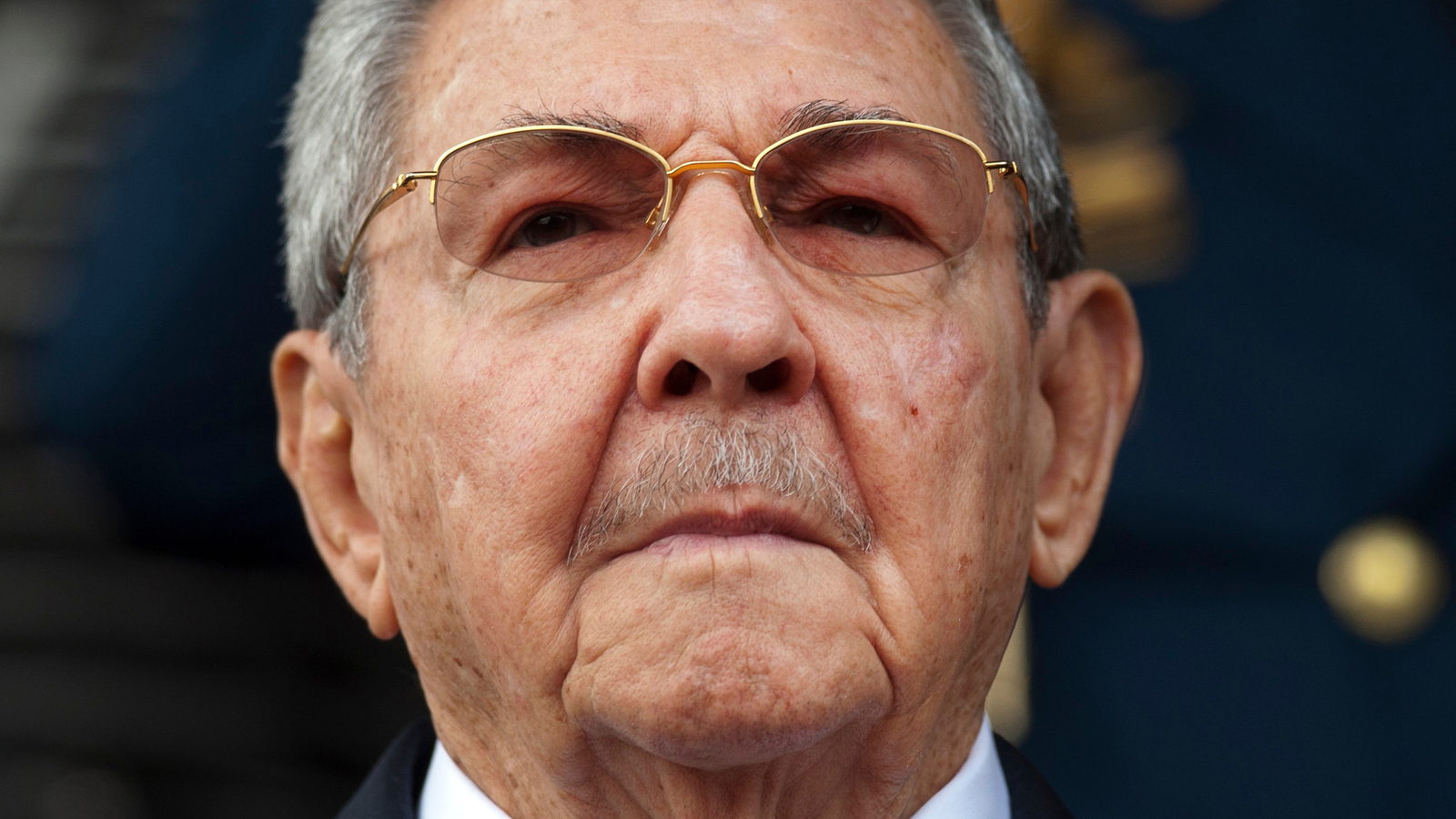
The Justice Department is preparing to seek an indictment against former Cuban President Raúl Castro, potentially tied to the 1996 shootdown of two civilian planes, a move that could sharply escalate U.S.-Cuba tensions. The report comes as Trump signals possible military action and the administration maintains an economic blockade that has already contributed to fuel shortages, blackouts, and economic collapse in Cuba. The news is politically significant and could raise geopolitical risk, but its direct market impact is likely limited.
This is less a legal headline than a policy signaling event: a Cuba indictment would be a low-cost, high-visibility escalation that satisfies domestic politics while preserving optionality on actual kinetic action. The market implication is not about direct Cuba exposure; it is about a broader U.S. willingness to reprice sanctions risk and use prosecutorial tools as prelude to coercive diplomacy, which raises the odds of follow-on measures against shipping, aviation, fuel intermediaries, and entities with Caribbean logistics exposure.
The second-order winner is the U.S. defense/security complex, but not via immediate budget math; the real benefit is to contractors positioned for ISR, maritime interdiction, cyber, and southern-border readiness if the administration turns this into a regional pressure campaign. The losers are any names with incremental Latin America political-risk exposure, especially carriers, fuel distributors, and insurers that depend on stable Caribbean routes and regulatory continuity. The memo-worthy point is that even a symbolic move can widen risk premia across sanctioned-state adjacent assets within days, while actual trade flows would likely deteriorate over months if Washington broadens the blockade architecture.
The key contrarian risk is that this may be more theater than policy. A grand jury process, legal evidentiary hurdles, and Pentagon caution could all slow execution long enough for the market to fade the headline, especially if the administration pivots back to another foreign-policy priority. In that case, the trade becomes a short-duration vol event rather than a regime shift, and the best opportunities are in options rather than outright directional exposure.
AI-powered research, real-time alerts, and portfolio analytics for institutional investors.
Request DemoOverall Sentiment
moderately negative
Sentiment Score
-0.45
Ticker Sentiment
