






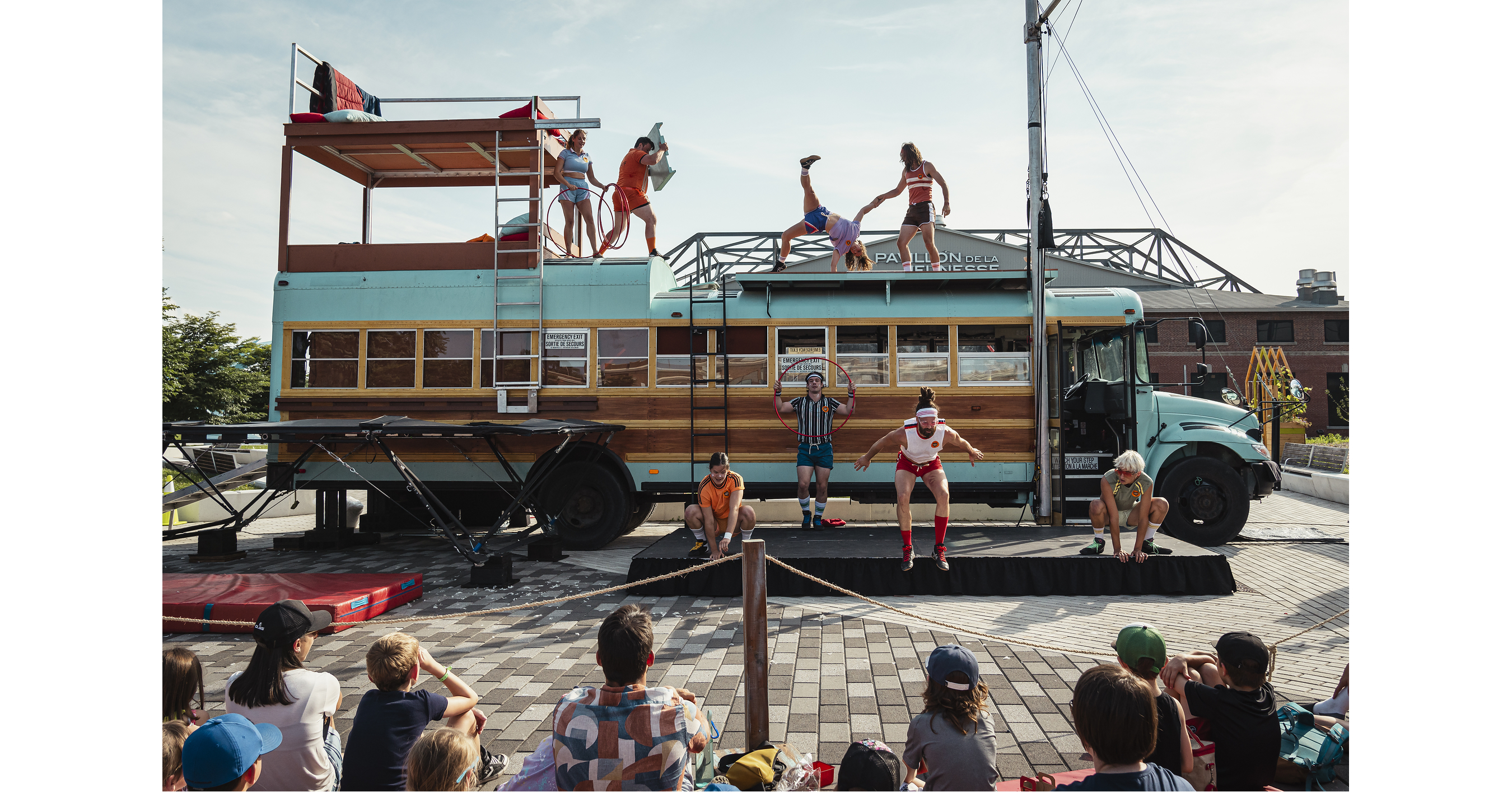
ESL Rochester Fringe Festival announced its full 2026 lineup for Sept. 15–26, featuring 715 performances across 297 productions at 45 venues, with tickets going on sale July 14 at 12:00 p.m. The nonprofit also said it is 84% of the way to its first-ever $1.575 million Fringe Comprehensive Campaign goal to fund a rare Spiegeltent and ongoing arts programming, but there are no financial-market or earnings implications described.
This is a civic-demand story, not an equity catalyst. The only public-market beneficiaries are second-order and too small to matter: AAPL/GOOGL get marginal app-distribution/search engagement, while NYT may capture a sliver of local media attention, but none of that should move estimates or multiples. The real economic lift lands with non-listed downtown operators, restaurants, parking, and transient services, so the tradable readthrough is effectively nil.
The one measurable catalyst is ticket sell-through around the on-sale window, but even a strong result only confirms local spending momentum for a 12-day event. Over 1-3 months, the relevant question is whether sponsor/fundraising momentum reduces execution risk for future editions; over 6-18 months, the only structural implication is whether the festival’s asset base and venue monetization lower dependence on annual donations. That matters for the nonprofit’s solvency, not for public equities.
Contrarian view: consensus tends to over-attribute broad economic benefit to festivals with lots of free programming. Free attendance is great for civic engagement but weak for direct monetization, and it can cannibalize discretionary spend elsewhere in the city rather than expand it. The market should treat this as a watch item for local tourism and ad budgets, not as a thesis-changing signal for listed names.
AI-powered research, real-time alerts, and portfolio analytics for institutional investors.
Request TrialOverall Sentiment
neutral
Sentiment Score
0.08
Ticker Sentiment
