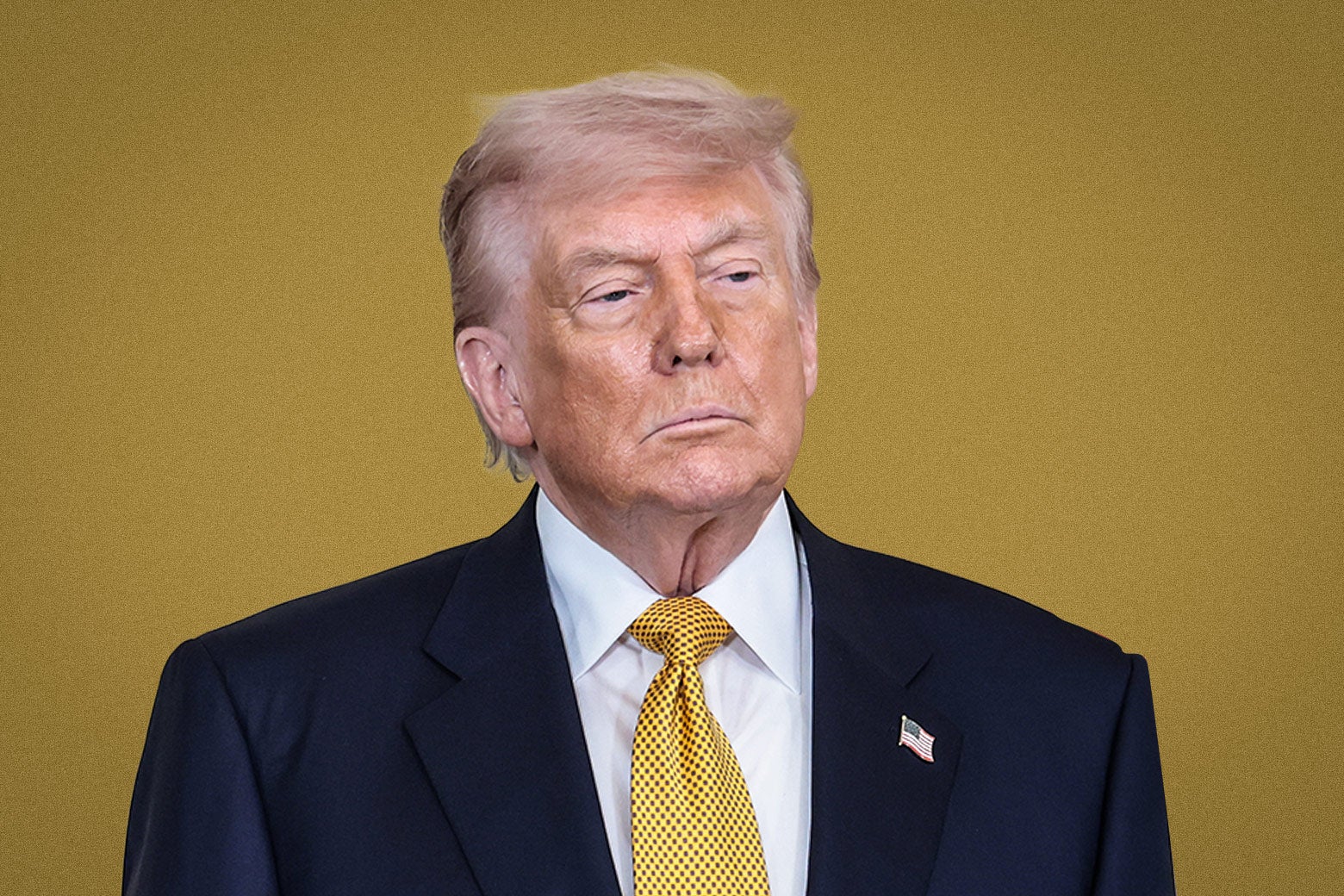
The article describes continued U.S.-Iran war tensions with no peace deal yet, while Trump threatens renewed bombing unless Iran accepts a 14-point negotiation framework. The conflict is already affecting markets through high gas prices tied to Iran's leverage over the Strait of Hormuz and the threat of disrupted oil shipments. A potential opening includes a memorandum that could lift U.S. sanctions, end the blockade, and limit Iran enrichment to 3.67%, but negotiations remain fragile and politically contentious.
The market implication is less about a clean peace dividend and more about an asymmetric volatility regime in energy and defense. Even if talks progress, the credible pathway is a temporary de-escalation that leaves the Strait vulnerable to renewed leverage tactics; that supports a higher floor for crude risk premium rather than a durable collapse in prices. The biggest second-order winner is not just producers but tanker-insurance, maritime security, and select defense services names that monetize persistent escort/monitoring demand without needing a full-scale war.
The more interesting setup is domestic politics feeding back into commodity pricing. If gasoline stays elevated for several weeks, the White House’s incentive to force a headline truce rises sharply, which means the market is trading a series of policy cliffs over days to weeks rather than a single geopolitical endpoint. That argues for owning convexity in oil rather than chasing spot after each escalation headline; the downside from a quick diplomatic headline is real, but the upside from a failed negotiation or partial reopening reversal is materially larger.
The contrarian miss is that any agreement modeled on limited enrichment is still a strategic win for Iran because it preserves optionality and reduces immediate military pressure, while also re-legitimizing its bargaining position. For markets, that means the trade is not “peace equals low oil,” but “managed stalemate equals intermittently disrupted supply.” The secular bearish case for crude only becomes durable if enforcement is strong and shipping confidence normalizes for multiple months, which is a much higher bar than signing a memorandum.
CIA is not a tradable direct beneficiary, but this episode underscores a broader intelligence/defense budget tailwind: the more uncertain the policy path, the more reliance on surveillance, signals, and contingency planning. The better expression is through assets linked to maritime security and energy logistics rather than directional Israel/Iran beta.
AI-powered research, real-time alerts, and portfolio analytics for institutional investors.
Request DemoOverall Sentiment
mildly negative
Sentiment Score
-0.35
Ticker Sentiment
