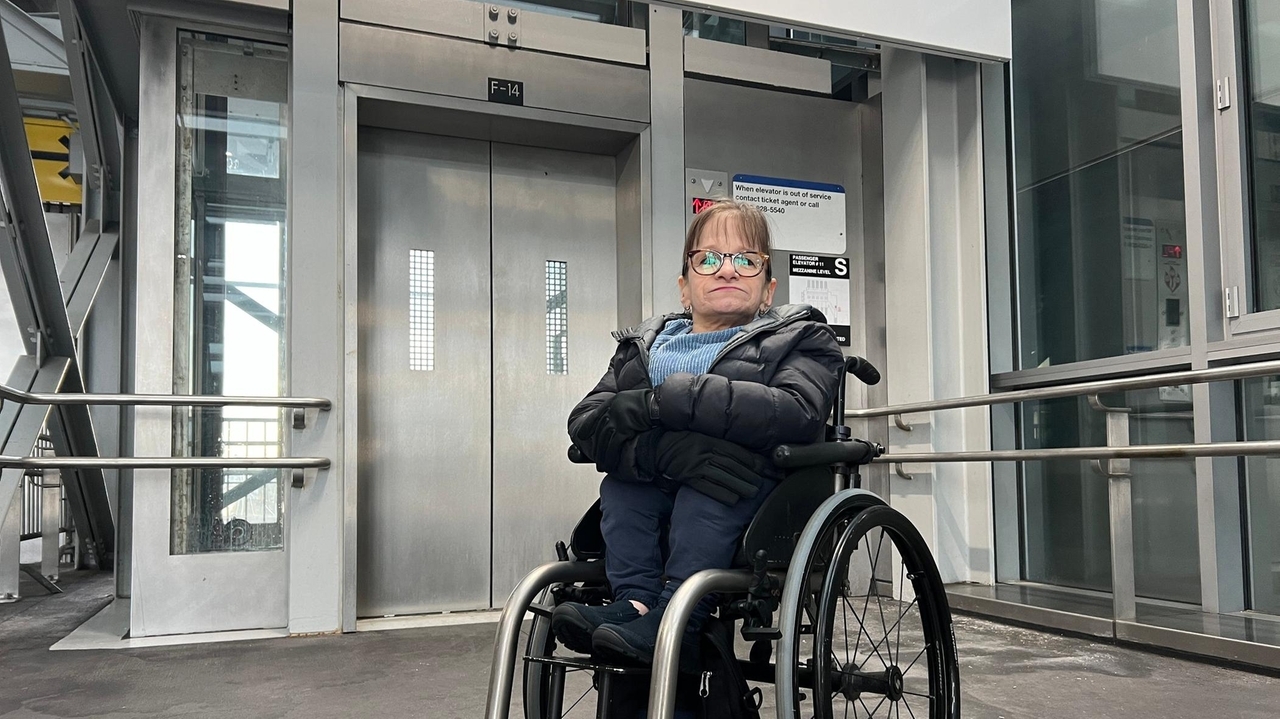
The LIRR strike is disrupting rail service and could disproportionately strand riders with disabilities, especially seniors and wheelchair users who have limited alternatives on Long Island. The MTA says about 200 shuttle buses can carry roughly 13,000 people versus the LIRR’s normal 270,000 weekday riders, and accessibility work at Hollis and Forest Hills is also being delayed. The issue is operationally significant but mainly a local transit disruption rather than a broad market-moving event.
This is less a one-day transit headline than a stress test for an already fragile accessibility network. The immediate market read is not in MTA equity—there is no direct listed upside—but in the downstream beneficiaries of forced modal substitution: ride-hail, paratransit, parking, and toll-road operators see incremental demand, while the long-tail losers are discretionary Manhattan trip participants who simply cancel. The second-order issue is that disabled and senior riders are disproportionately schedule-constrained, so service unreliability carries a much higher elasticity to nonuse than for the average commuter; that makes the demand loss asymmetric and likely to persist even after the strike ends if trust is damaged.
The bigger risk is operational compounding. Weekday shuttle crowding creates a nonlinear failure mode: once accessible vehicles fill, the system stops being a substitute and becomes a bottleneck, which can turn a temporary labor dispute into a reputational problem that lasts weeks. If accessibility work pauses for even a few months, the hidden cost is not just delayed capex but future regulatory scrutiny, potential fines, and a higher probability of union-management conflict around implementation windows, especially for stations with construction overlap.
Contrarianly, the event may be over-discounted as a pure MTA problem and underappreciated as a suburban consumption shock. Suffolk households have fewer substitutes, so missed medical, retail, and leisure trips will hit local spending harder than headline ridership numbers suggest. That argues for looking beyond transit names to the economic sensitivity of Long Island-linked consumer and parking-exposure assets, while treating the disruption as a short-duration catalyst unless the strike extends beyond a week and starts changing commuter behavior permanently.
AI-powered research, real-time alerts, and portfolio analytics for institutional investors.
Request DemoOverall Sentiment
moderately negative
Sentiment Score
-0.35
Ticker Sentiment
