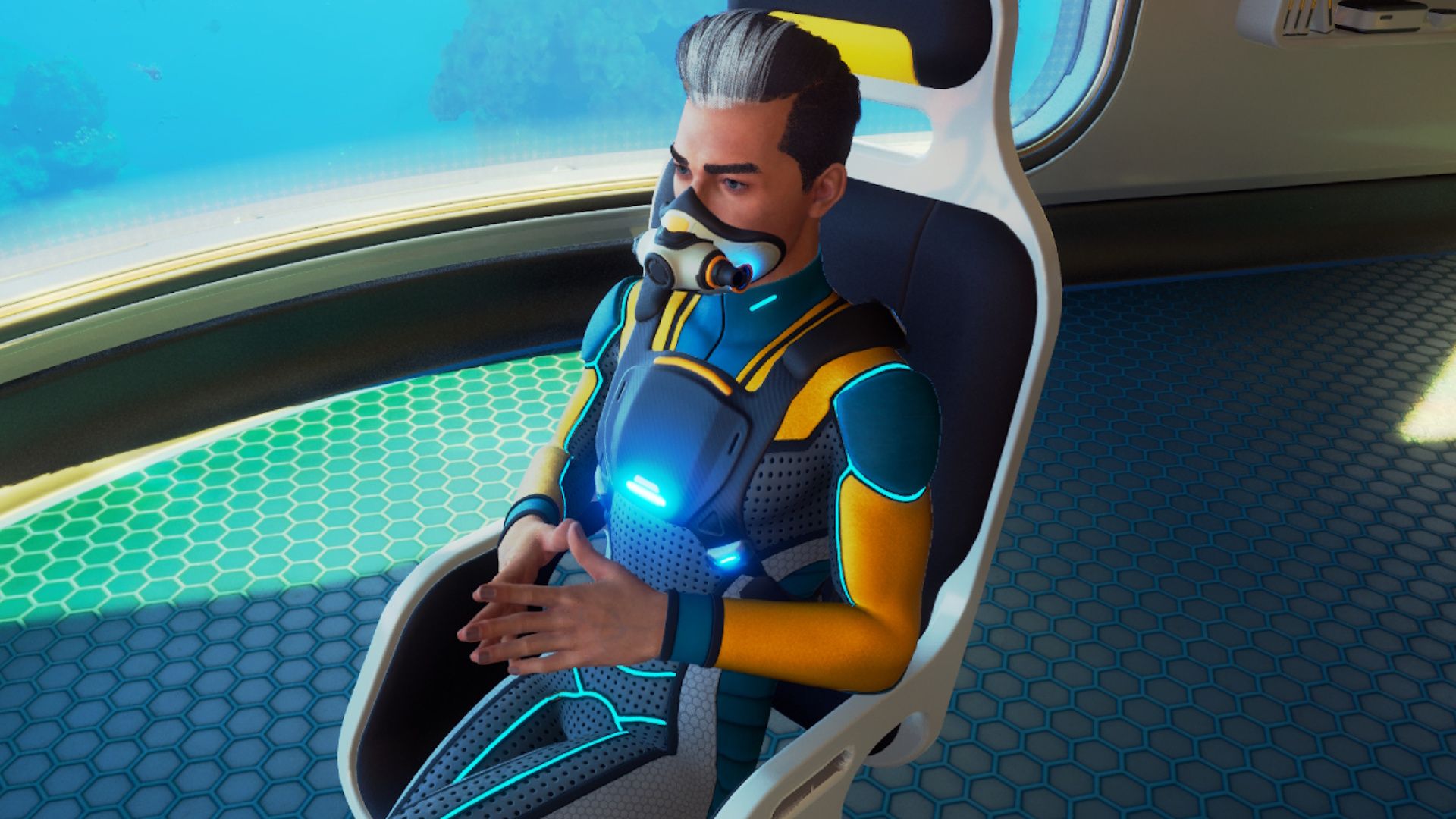
Krafton could be forced to pay up to $250 million under the Unknown Worlds acquisition bonus agreement, a sum that would exceed one-third of its 2025 operating profit of about $736 million. The article says Subnautica 2 sold four million copies in under a week, pushing revenue above the reported $69.8 million monthly threshold that triggers the payout. The dispute is tied to Krafton’s 2025 removal of Unknown Worlds leadership and ongoing litigation over whether the company tried to escape the deal.
This is primarily a governance and legal monetization event, not a product event. The market is effectively learning that the acquisition’s economics were written with an asymmetric earnout that can now turn a successful launch into a near-term cash drag, which is exactly the sort of hidden liability that tends to re-rate a parent once it becomes visible. The second-order issue is less the payout itself than the precedent: if management is willing to structure deals this generously and then litigate to escape them, counterparty trust and future M&A optionality get impaired, raising the cost of talent acquisition across the portfolio.
For the game ecosystem, the immediate winner is the studio’s creative leadership economics and the broader early-access benchmark: strong conversion on a well-received title de-risks premium pricing for adjacent launches and supports publisher multiples for companies with proven IP flywheels. The loser is Krafton’s capital allocation narrative, because a one-off payout north of a third of annual operating profit compresses reinvestment flexibility and can force either slower share repurchases, lower M&A appetite, or less patience with experimental content bets over the next 2-4 quarters.
The real catalyst path is legal rather than operational. If the bonus obligation is upheld in full and paid quickly, expect near-term margin optics to deteriorate and buy-side models to haircut FY26 earnings quality; if there is any path to settlement, deferral, or partial clawback, the stock likely rebounds on de-risking alone. The consensus may be overestimating the irrelevance of one title-specific payout: for a company trading on growth and disciplined execution, governance slippage tends to matter disproportionately because it alters the discount rate more than the earnings line.
The contrarian view is that the market may already be pricing the headline hit, while underpricing the possibility that this validates Krafton’s content strategy by proving it can underwrite and scale breakout IP. If the launch sustains, the company may ultimately look less like a victim and more like an owner of a franchise with multi-year cash generation, making the current controversy a short-lived accounting event rather than a structural impairment.
AI-powered research, real-time alerts, and portfolio analytics for institutional investors.
Request DemoOverall Sentiment
strongly negative
Sentiment Score
-0.55
Ticker Sentiment
