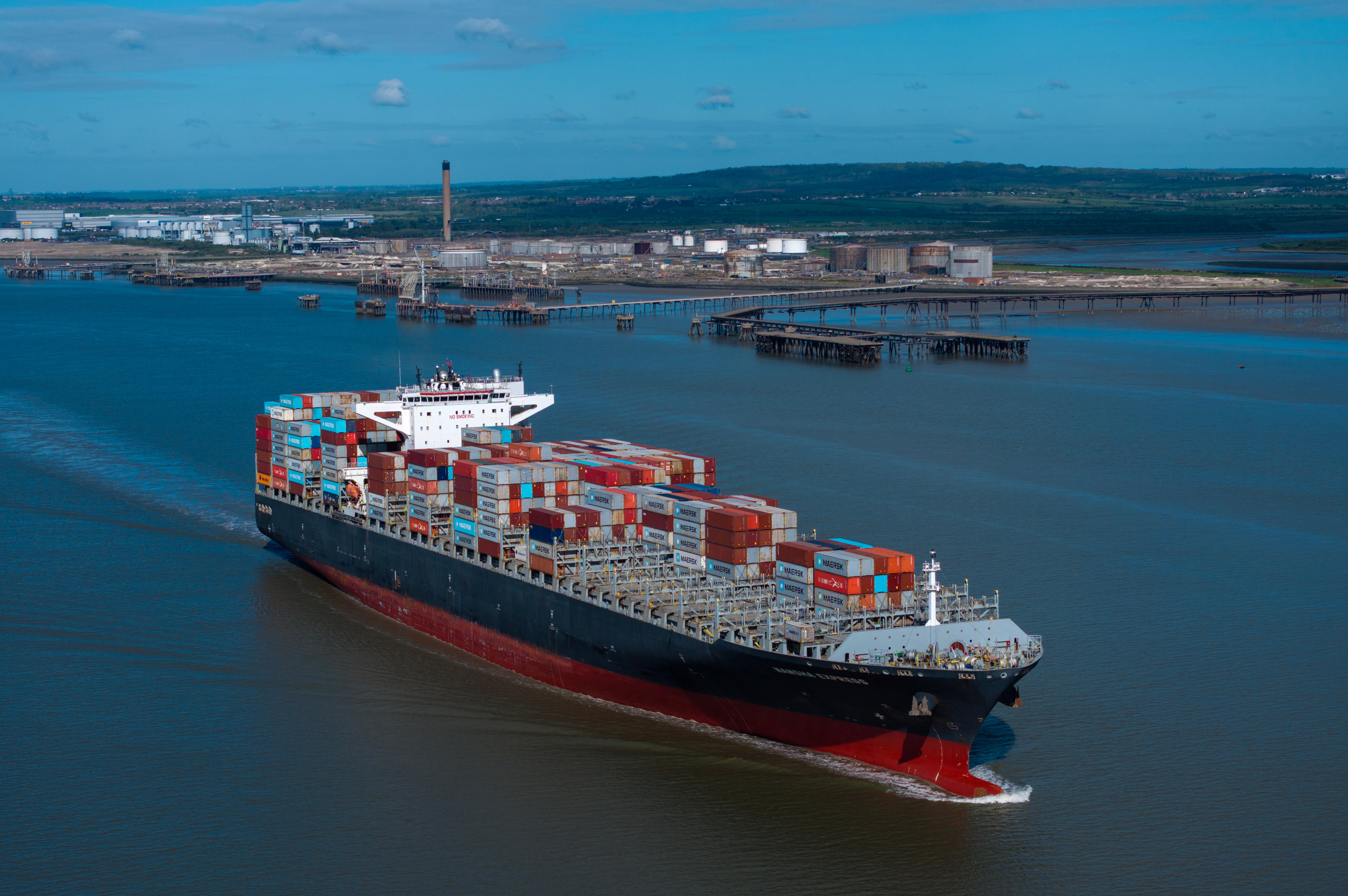
Brent crude fell 0.4% to $95.09 a barrel and WTI dropped 1.7% to $88.07 as markets awaited possible US-Iran talks before the ceasefire expires Wednesday evening Washington time. Asian equities mostly rose despite the tension, with South Korea's Kospi up 2.1% to a record and MSCI Asia-Pacific ex-Japan up 0.9%, while shipping through the Strait of Hormuz remains severely disrupted and up to 10 million barrels a day of crude are still shut in. The article also notes Kuwait declared force majeure and broader US earnings remain solid, with nearly 9 in 10 S&P 500 reporters beating estimates.
The market is treating this as a binary headline risk, but the more durable trade is the persistence of friction costs even if talks restart. If access through the strait stays impaired, the second-order winners are not just producers but also alternative-route logistics, tanker owners with flexible routing, and refiners with more secure non-Gulf supply access; the losers are Asian importers with high spot exposure and any downstream business that cannot pass through higher freight and insurance quickly.
The key near-term asymmetry is that oil can retrace on negotiation optimism while physical tightness remains. That means prompt-month crude may be more vulnerable than deferred contracts: a deal headline could compress the front end, but the market will likely keep a geopolitical premium in the back end until shipping normalization is visible in cargo data. In other words, the right expression is not simply long or short oil, but long calendar optionality around the reopening timeline.
Equities are underpricing how this filters through to rates-sensitive and transport-sensitive sectors. Asia can rally on reduced tail risk while still absorbing higher import costs with a lag, which argues for caution on airlines, shippers, and chemical names in the region if disruption persists another 2-4 weeks. By contrast, megacap US insurers and domestic defensives should be relatively insulated, while the energy shock could quietly support nominal growth and keep a floor under commodity-linked inflation prints.
The contrarian read is that the market may be too focused on whether talks happen and not enough on whether the blockade mechanics can unwind quickly even if talks do. A headline ceasefire extension does not restore throughput immediately; cargo clearance, insurance repricing, and naval risk premiums can take weeks to normalize. That makes the downside in crude conditional and the upside from a surprise de-escalation limited unless vessel traffic visibly recovers.
AI-powered research, real-time alerts, and portfolio analytics for institutional investors.
Request TrialOverall Sentiment
neutral
Sentiment Score
0.10
Ticker Sentiment
