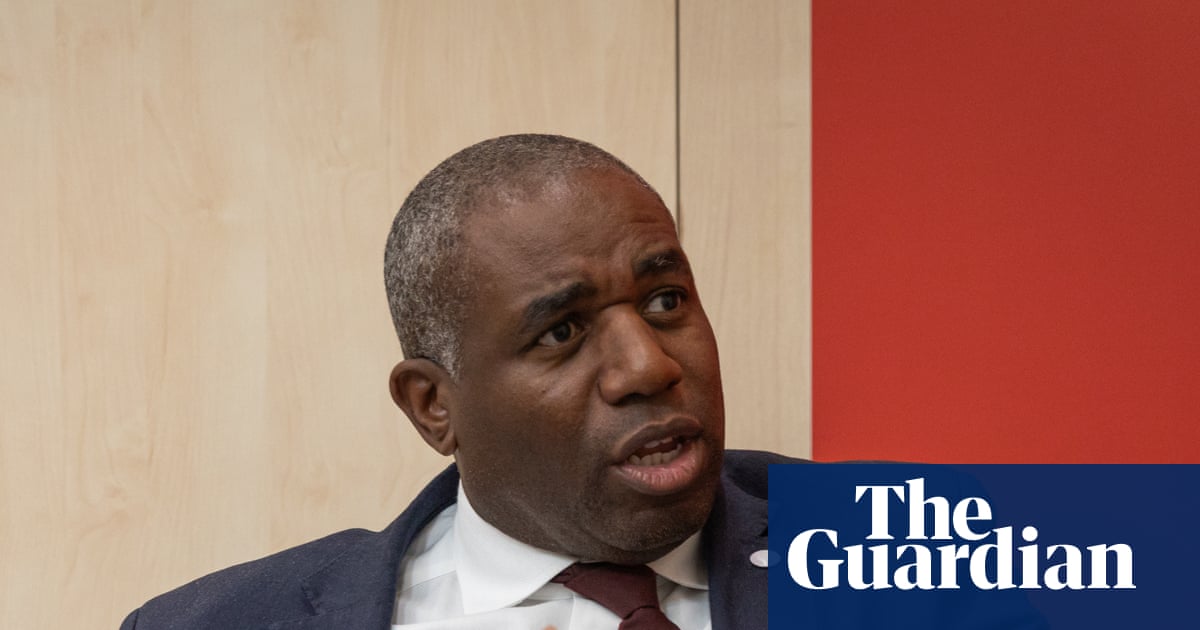
Keir Starmer and senior ministers are facing fallout after it emerged that Peter Mandelson was allowed to serve as UK ambassador to Washington despite failing security vetting. David Lammy said Starmer would never have appointed Mandelson had he known, while the Foreign Office has launched a full review of what information was shared. The issue adds political pressure ahead of Monday’s parliamentary questioning and could complicate Labour’s already difficult local elections.
This is less about the underlying personnel issue and more about an acute trust shock inside the UK state apparatus. When ministers say they were insulated from a security-vetting conclusion that materially changed the risk profile, the market implication is a temporary rise in policy execution risk: slower decision-making, more defensive briefing, and higher odds of pre-election overcorrection on sensitive files. That tends to hit domestically exposed UK assets first through a higher “governance discount,” especially where investors already worry about institutional drift and fiscal credibility.
The second-order effect is that Labour’s electoral edge may be more fragile than headline polling suggests. If local elections turn into a referendum on competence rather than ideology, the probability distribution shifts toward a weaker mandate and more coalition-style policymaking after the vote, which is typically bad for reform momentum. The near-term catalyst is not the scandal itself, but whether Starmer is forced into visible personnel changes or document disclosure within days; that would extend the news cycle and keep UK political risk embedded into the tape for weeks.
The contrarian view is that the market may be overpricing permanence. Voters rarely punish process failures as much as insiders do, and if the government pivots quickly to transparency plus procedural tightening, the episode can fade into a broader midterm-discontent narrative. That said, the reputational damage lands at a bad time: any hint of administrative weakness increases the odds that investors demand a modest risk premium on UK domestic cyclicals and sterling until after the local elections, then again into the next fiscal event if governance questions persist.
AI-powered research, real-time alerts, and portfolio analytics for institutional investors.
Request TrialOverall Sentiment
mildly negative
Sentiment Score
-0.28
