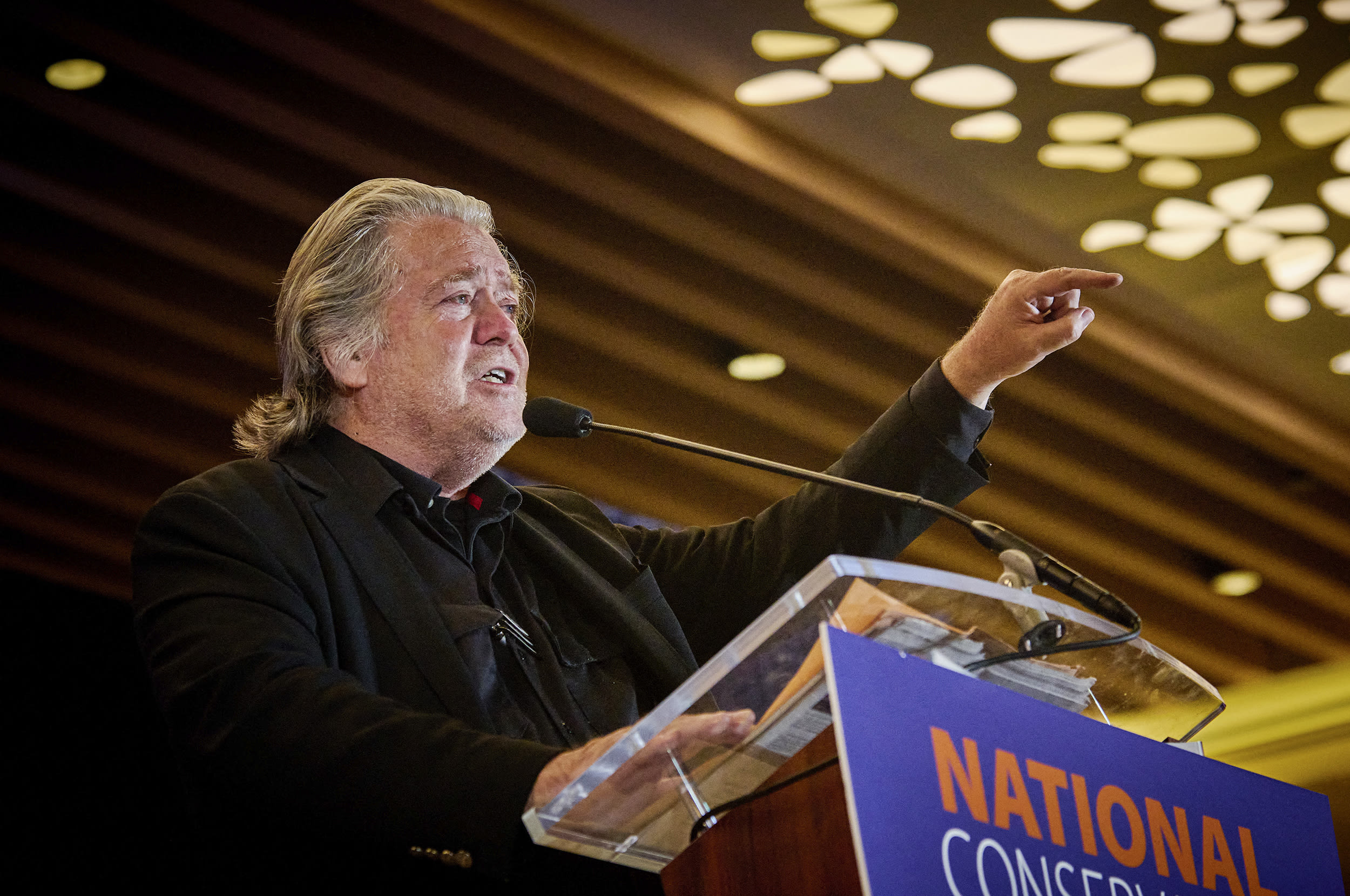
Deployment of ICE agents to U.S. airports is being characterized by Steve Bannon as a possible 'test run' for the 2026 midterm elections. Reports say ICE officers were often idle and lacked a clear operational plan, and Bannon—though not a government official—has advocated using immigration agents at voting sites. The article flags reputational and legal risks from potential politicization of federal law enforcement and uncertainty about whether this tactic will gain wider Republican adoption ahead of 2026.
Treat this as an operational test that doubles as a political pilot — the market impact is not the visible airport theater but the institutional precedent it sets. If federal agents become an accepted presence at local election infrastructure, expect a multi-year uptick in contested-procedure litigation and advisory spend concentrated in the 18 months around national elections; legal and consulting budgets historically rise 20–40% in jurisdictions that litigate outcomes.
Second-order winners are firms that monetize political polarization through engagement or litigation support: partisan media capture incremental ad and subscription revenue cycles, while boutique consultancies and forensic legal advisers pick up repeat revenue from jurisdictions rewiring election operations. Conversely, consumer-facing brands and travel operators in swing geographies carry latent reputational and regulatory tail risk — even modest operational disruptions or localized boycotts can depress near-term bookings and same-store sales by 2–5% in affected quarters.
Tail risks cluster around three catalysts: a state-level injunction or criminal referral that forces broader deployments (weeks–months), coordinated state pushback creating a patchwork of enforcement regimes (months–years), and a high-profile incident at a polling place that triggers national litigation and investor scrutiny (days–weeks). Each catalyst amplifies volatility asymmetrically into the 2026 midterms window, creating tactical trading opportunities but also principal-protection imperatives for long-term holders.
AI-powered research, real-time alerts, and portfolio analytics for institutional investors.
Request DemoOverall Sentiment
mildly negative
Sentiment Score
-0.25
