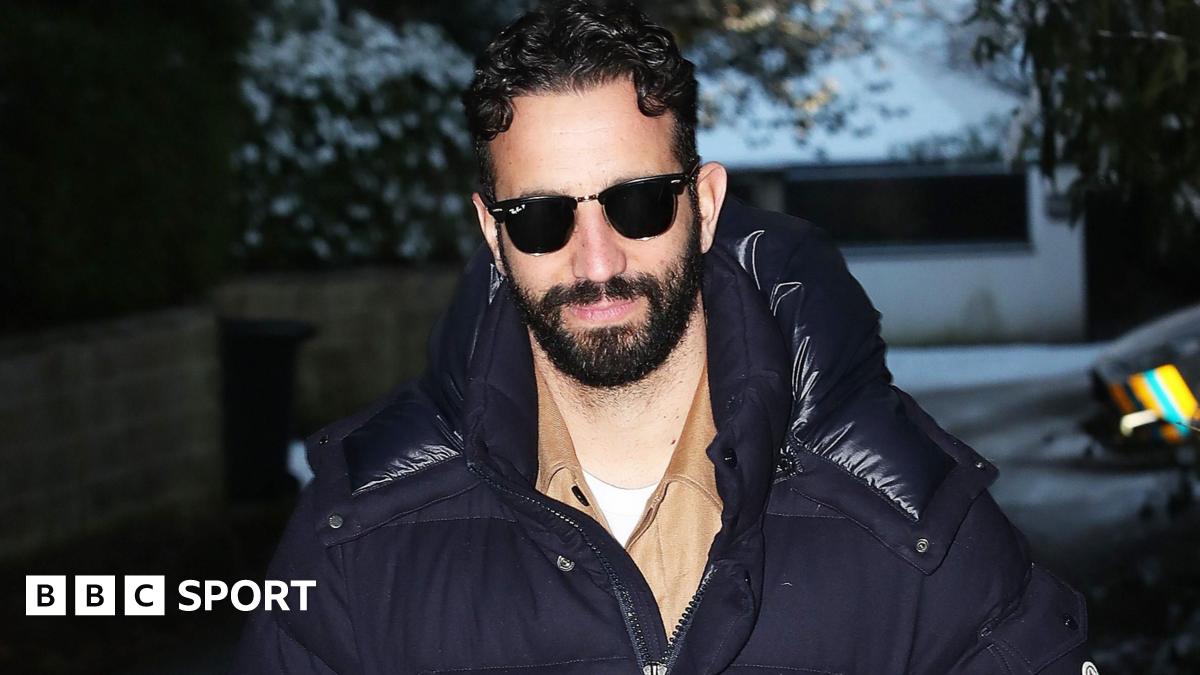
Manchester United sacked head coach Ruben Amorim after a 14-month tenure marked by tactical rigidity, public rows with players and executives, and a high-profile collapse in the Carabao Cup; the club remains sixth in the Premier League. The hierarchy (CEO Omar Berrada, technical director Jason Wilcox and Ineos-linked directors) face scrutiny for recruitment and governance decisions after backing Amorim with >£200m of attacking signings and reshaping the squad (notable moves: £72m Rasmus Hojlund departed, £74m Benjamin Sesko underdelivering, Manuel Ugarte acquired, Emiliano Martinez rejected, Senne Lammens promoted). The episode raises near-term investor risk around sporting performance, squad valuation and executive decision-making at one of Deloitte's most valuable clubs, suggesting potential volatility in equity sentiment absent clearer governance and recruitment outcomes.
Market structure: Amorim’s sacking is a negative shock to MANU’s brand/governance premium and will directly benefit rivals with stable governance (sponsors, broadcasters and clubs able to offer steadier commercial packages). Expect 5–15% pressure on commercial sentiment and short-term ticket/merchandise demand (quarters) as sponsors re-assess valuation; TV rights and league-wide revenues remain sticky for 1–3 years, limiting ultimate cash-flow loss.
Risk assessment: Immediate tail risks include sponsor contract re-negotiations or contingent payments being reduced (low-probability, high-impact) and a market re-pricing of MANU equity by >20% if governance doubts persist. Time horizons separate immediate volatility (days–weeks), managerial appointment reaction (weeks–3 months) and brand erosion if churn continues (6–24 months); catalysts include appointment of a credible ex-PL manager, Ratcliffe board commentary, or a major sponsor statement.
Trade implications: The simplest, high-conviction trade is short MANU equity or buy downside options sized to cap drawdown — expect an event-driven 10–25% window around hiring/financial disclosures in 1–3 months. Use pair trades (short MANU vs long SPY or long established media/stadium-exposed equities) to isolate idiosyncratic governance risk; elevated implied vol suggests put spreads rather than naked puts to control theta burn.
Contrarian angles: Consensus assumes prolonged brand damage; that may be overdone — a well-regarded manager within 60–120 days could re-rate shares +15–30% as sponsors stabilize. Consider low-cost long-dated call spreads to capture asymmetric upside post-stabilization while funding with short near-term volatility sells tied to specific event windows (manager appointment, sponsor announcements).
AI-powered research, real-time alerts, and portfolio analytics for institutional investors.
Request DemoOverall Sentiment
strongly negative
Sentiment Score
-0.60
Ticker Sentiment
