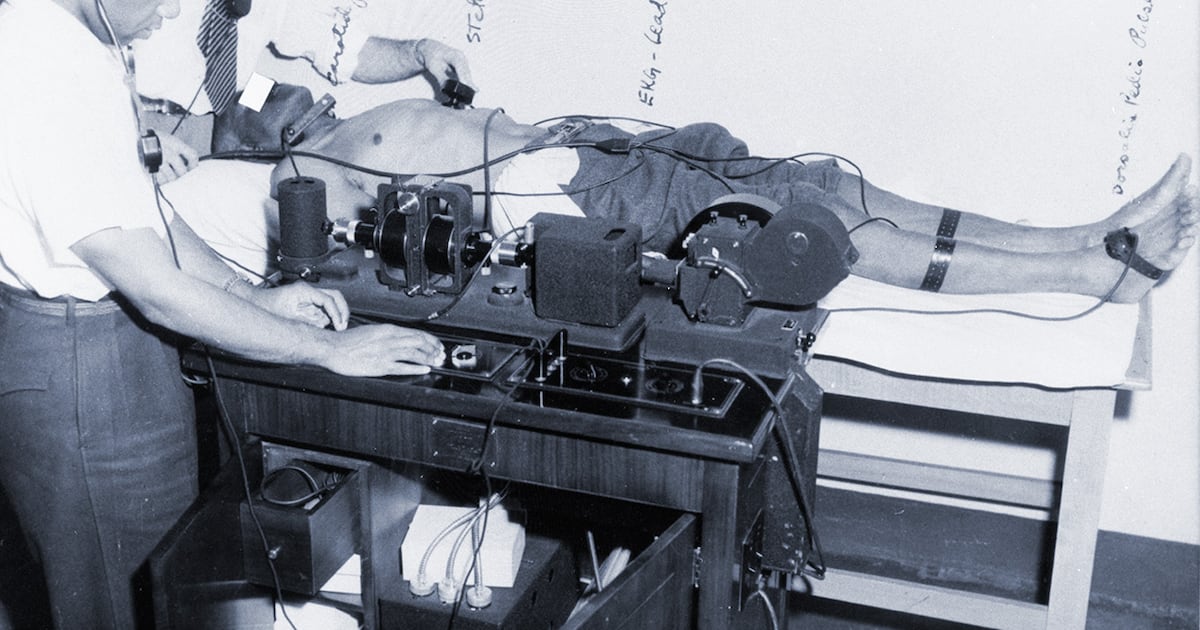
The CDC is funding a $1.5 million placebo-controlled study in Guinea-Bissau to assess newborn hepatitis B vaccine side effects, a move criticized as ethically comparable to the Tuskegee study and driven by skepticism from HHS leadership under Robert F. Kennedy Jr. Critics say the trial withholds a proven, early-life preventive intervention in a poor country with high hepatitis B prevalence and that U.S. funds would be better spent procuring vaccines ahead of Guinea-Bissau’s planned universal newborn recommendation in 2027. The controversy raises regulatory and political risk around U.S. public-health policy and agency governance, though it is unlikely to have material market implications.
Market-structure: This controversy primarily raises reputational and regulatory risk for public-health institutions and vaccine advocacy channels rather than immediate revenue shocks to large pharma; short-term winners are defensive large-cap healthcare names and legal/consulting firms advising on compliance, while NGOs and fragile-state health budgets lose credibility and negotiating power. Pricing power for vaccine makers (PFE, MRK, GSK) is unlikely to shift materially, but small vaccine-focused biotechs and local suppliers face amplified funding and demand volatility; expect 1–3% headline-driven moves in biotech ETFs (XBI/IBB) within days.
Risk assessment: Tail risks include congressional investigations, litigation, or a CDC funding freeze that could depress trust in global immunization campaigns—low probability but high impact for donor flows and EM health budgets over 6–24 months. Immediate (days) risk is headline-driven volatility; short-term (weeks–months) risk is policy and NGO reactions; long-term (years) risk is persistent vaccine hesitancy increasing treatment demand for chronic HBV (benefitting antiviral makers). Hidden dependency: Gavi/WHO procurement decisions and bilateral donor budgets are key catalysts over the next 30–180 days.
Trade implications: Tactical plays: buy defensively-sized long positions in diversified pharma (JNJ, PFE) on shallow pullbacks (≥3%) and hedge sector exposure with a 3‑month XBI 10% OTM put spread to cap downside. Medium-term (12–36 months) overweight GILD (antiviral franchise) as a beneficiary of higher treatment demand if vaccination rates stall; trim frontier/West-Africa EM bond exposure (EMB) by 0.5–1%.
Contrarian angle: The market may over-price reputational risk—global procurement and scientific consensus remain pro-vaccine—so significant selloffs in large-cap vaccine makers would be buying opportunities; historical parallels (isolated public-health scandals) show quick mean reversion in equities once policy statements and NGO defenses appear (30–90 days). Unintended consequence: a muted short-term dip in vaccination uptake could raise demand for diagnostics/therapeutics, not destroy long-term vaccine market economics.
AI-powered research, real-time alerts, and portfolio analytics for institutional investors.
Request DemoOverall Sentiment
moderately negative
Sentiment Score
-0.40
