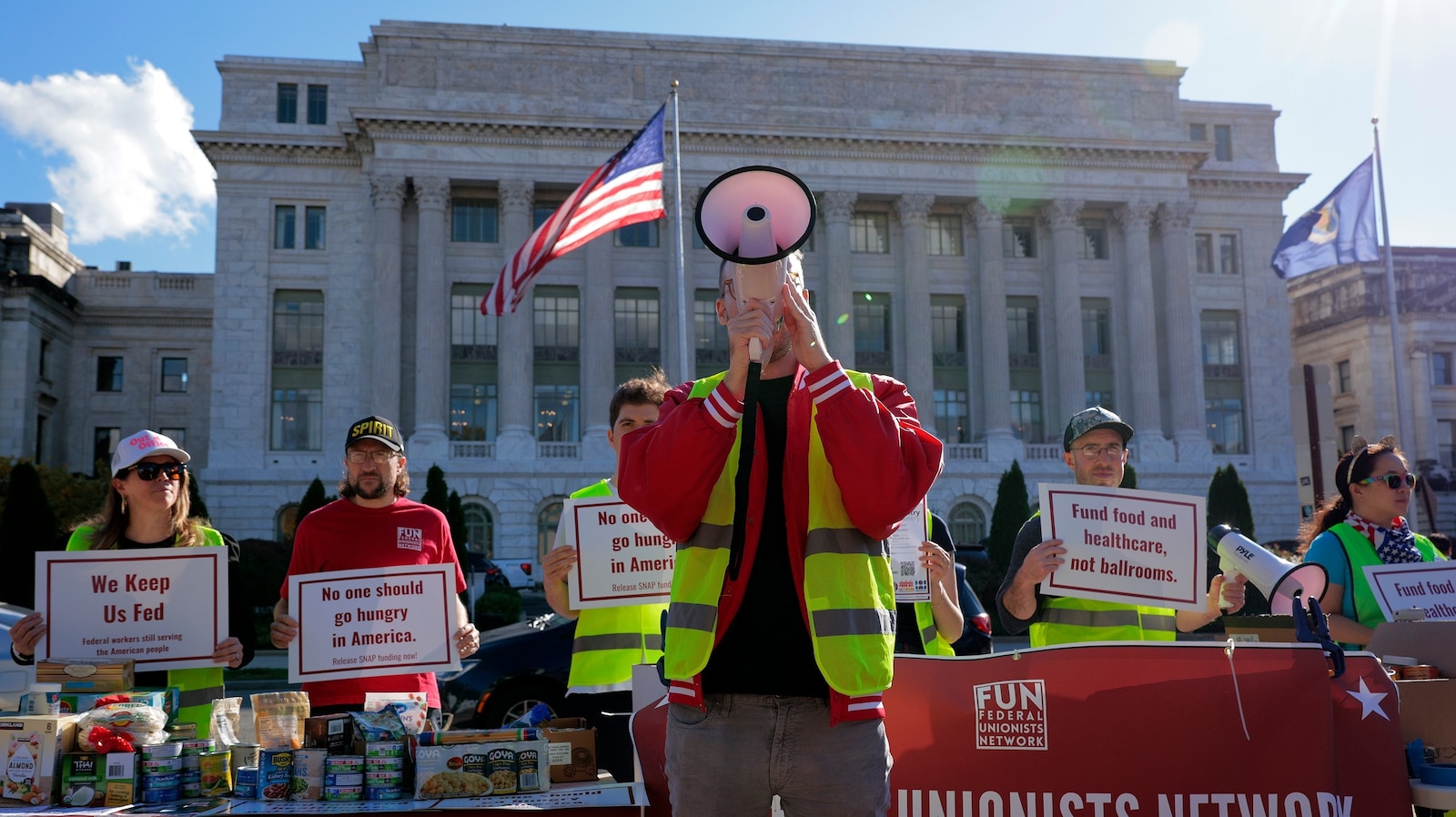
The resolution of the longest U.S. government shutdown is expected to avert a potential recession and quickly reverse most of the economic damage, including an estimated 0.8% ($55 billion) annualized GDP loss incurred during the closure, as federal workers receive backpay and SNAP benefits resume. However, the temporary nature of the funding, set to expire on January 30, introduces significant uncertainty, raising concerns among economists about the potential for a renewed shutdown and subsequent economic disruption early next year.
The resolution of the U.S. government shutdown is expected to avert a potential recession, reversing an estimated 0.8% ($55 billion) annualized GDP loss incurred during the closure. The immediate resumption of federal worker backpay and SNAP benefits is anticipated to quickly mitigate most economic damage, supporting consumer spending and local businesses, following a period marked by a hiring slowdown and persistent inflation concerns.
The reopening also facilitates the crucial re-issuance of key economic data, including inflation and hiring reports, which are vital for policymakers. This reduction in data uncertainty is significant for market clarity, especially ahead of the Federal Reserve's upcoming interest rate decision early next month.
However, the temporary nature of the funding, set to expire on January 30, introduces considerable fiscal uncertainty. Economists warn that a potential second shutdown early next year could trigger renewed economic disruption, indicating that the underlying political impasse remains unresolved despite the immediate reprieve.
AI-powered research, real-time alerts, and portfolio analytics for institutional investors.
Overall Sentiment
mixed
Sentiment Score
0.05
Ticker Sentiment
