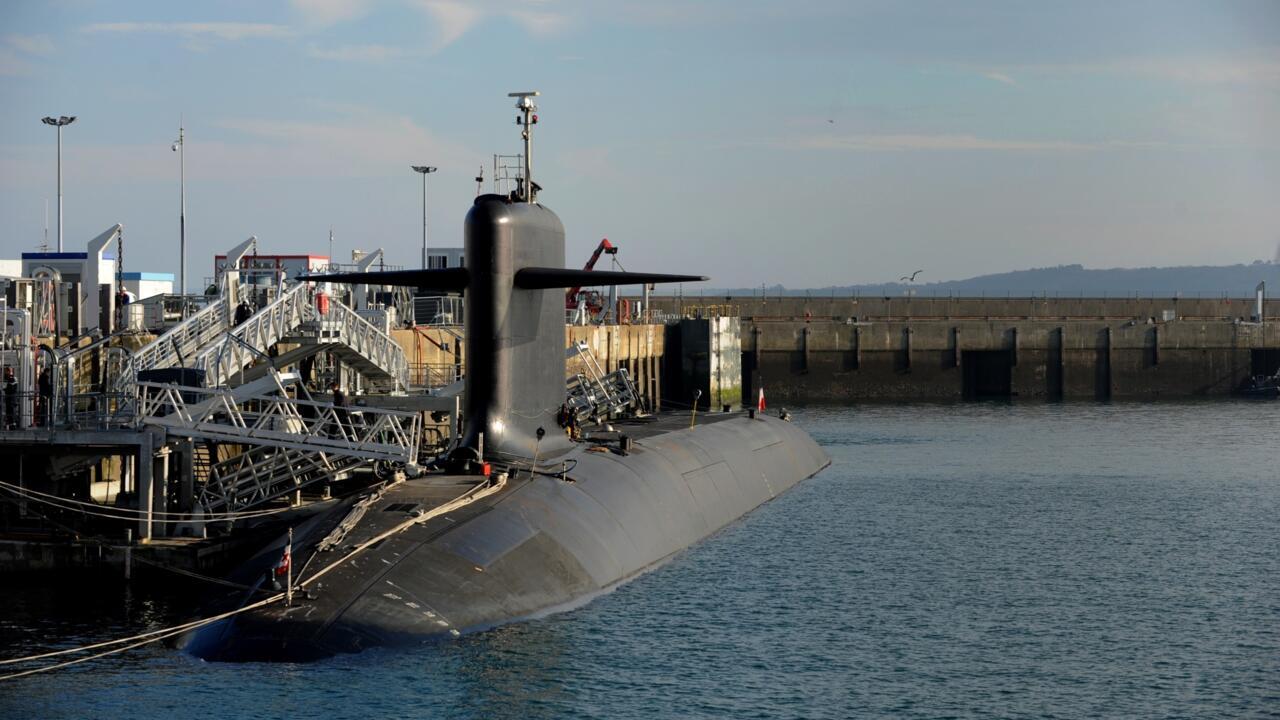
French forces detected five drones over the Ile Longue base off Brittany — the home port for France's four ballistic missile submarines (Le Triomphant, Le Téméraire, Le Vigilant and Le Terrible) — prompting an anti-drone and search operation and the use of a jammer. No drones were downed, no pilots identified, and the military prosecutor in Rennes opened a judicial investigation; authorities said no foreign interference link has been established but flights appeared intended to alarm the public. The incident underscores rising drone incursions near sensitive military infrastructure in Europe and the operational challenges of detection and neutralization, with limited immediate market implications but heightened defense and geopolitical risk signaling for investors.
Market structure: Immediate winners are counter‑UAS and EW (electronic warfare) suppliers—large primes (RTX, LHX, NOC) and European specialists (Hensoldt HAG.DE, Thales HO.PA) gain procurement pricing power as governments prioritize shoreline/maritime C‑UAS. Direct losers are regional airlines/airport operators (operational disruption risk) and insurers facing liability uncertainty; expect defense procurement bid premiums to rise 5–15% on rushed contracts and sensor lead times to pressurize smaller suppliers.
Risk assessment: Tail risks include misattribution leading to NATO escalation (low prob., high impact) and regulatory headwinds (broad jamming bans or telecom interference fines). Time horizons: days—localized risk premium in European assets and mild EUR weakness; weeks–months—procurement cycles and tender announcements; 6–24 months—budget reallocations and capex for sensors/jamming. Hidden dependencies: C‑UAS rollout is chip‑intensive (RF ASICs, GPUs) and vulnerable to semiconductor bottlenecks and export controls.
Trade implications: Tactical longs in defense primes and pure‑play C‑UAS names are favored for 3–12 month horizons; use options to cap cost and capture asymmetric upside around procurement news. Cross‑asset: modest safe‑haven bid to core sovereigns and gold on escalation headlines; small EUR downside vs USD on geopolitical risk. Entry window: 1–14 days to position ahead of expected EU/NATO statements; exit on contract awards or +25–40% moves within 6–12 months.
Contrarian angles: Consensus overstresses immediate military escalation; underappreciated winners are cybersecurity/attribution firms (PLTR, CRWD) that monetize forensic analysis—expect 6–12 month revenue uptick if governments pay for persistent monitoring. Risk of overbuying jammers exists (creates telecom externalities), so avoid one‑way large positions without event triggers.
AI-powered research, real-time alerts, and portfolio analytics for institutional investors.
Request DemoOverall Sentiment
mildly negative
Sentiment Score
-0.25
