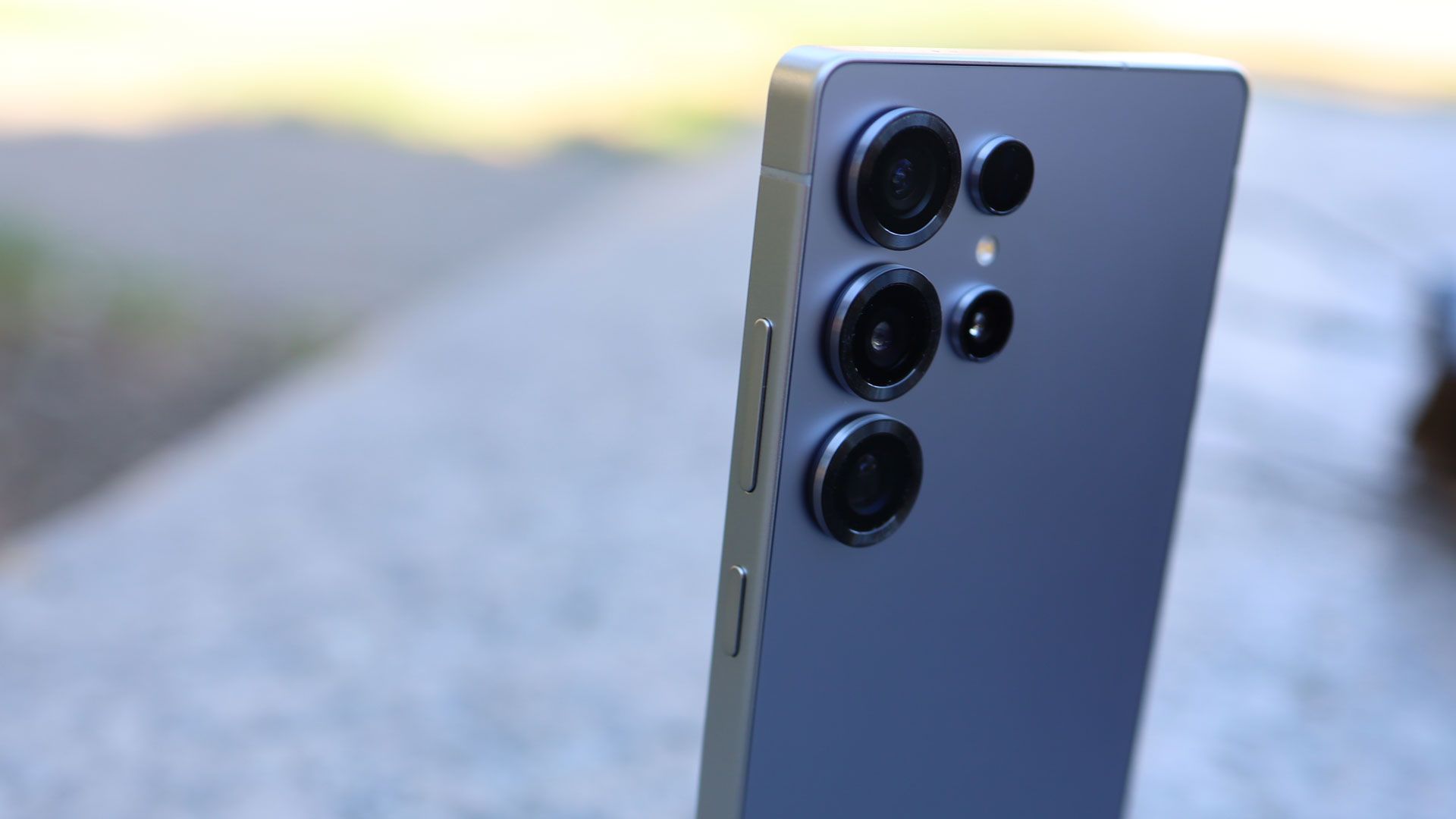
Leaked marketing imagery and multiple reports suggest the Samsung Galaxy S26 Ultra will receive a camera overhaul including a redesigned raised housing, a potential upgrade of the 3x telephoto sensor from 10MP to 12MP with a larger 1/2.55-inch sensor, and retention of a 200MP main sensor possibly paired with a new lens and larger sensor; on-device image processing enhancements are also reported. Sources include prominent leakers (Evan Blass, UniverseIce) and the changes remain unconfirmed, implying incremental product-strengthening for Samsung’s flagship lineup but no immediate financial metrics or guaranteed market impact.
Market structure: Upgraded S26 Ultra cameras most directly benefit high-end sensor and optics suppliers (Sony Group - SONY; Largan Precision - 3008.T; Sunny Optical - 2382.HK) and SoC/ISP vendors (Qualcomm - QCOM). Samsung Electronics (005930.KS) gains modest pricing power on flagship SKUs but mass smartphone share impacts are limited; expect incremental ASP lift of ~1–3% for Ultra models if upgrades are marketed successfully over the next 1–3 quarters. Cross-asset: stronger supplier revenues could support equities, put modest upward pressure on the KRW; negligible commodity impact, small positive for high-yield tech credit spreads tightening if guidance confirms orders.
Risk assessment: Tail risks include a supplier sourcing pivot (Samsung reusing ISOCELL vs. Sony), patent disputes over periscope modules, or manufacturing yields causing shipment delays — each could produce >20% downside in supplier names within 30–90 days. Immediate market moves (days) will be sentiment-driven around leaks/reveals; order-flow and revenue recognition risks play out over 1–4 quarters. Hidden dependency: image-processing gains rely as much on ISP/firmware (Qualcomm, Samsung Exynos) as on optics; a software shortfall would mute hardware winners.
Trade implications: Direct plays favor long exposure to SONY and lens specialists (3008.T, 2382.HK) sized 1–3% each, with 3–6 month horizons awaiting supply confirmations and order cadence. Use options to cap risk: buy near-term (2–4 month) calls or call spreads on SONY/QCOM ahead of reveal; consider pair trades long suppliers (SONY) vs short mid-tier OEMs with weak product cycles (Xiaomi - 1810.HK) if premium share shifts. Entry window: scale into positions on official supplier confirmations or Samsung supply-chain rumors within next 0–90 days; trim on +15–25% rallies.
AI-powered research, real-time alerts, and portfolio analytics for institutional investors.
Request DemoOverall Sentiment
mildly positive
Sentiment Score
0.25
Contrarian angles: Consensus overweights pure hardware wins; the market underestimates software/ISP risk and Samsung’s ability to internalize components (ISOCELL), which would cap supplier upside. Historical parallels: prior S-series camera boosts (S20→S21) produced supply-chain bumps but limited sustainable share gains — expect mean reversion in supplier multiples absent multi-quarter order uplifts. Unintended consequence: aggressive supplier discounting to secure volumes could compress margins even as revenues rise, so focus on revenue visibility not just feature announcements.
