
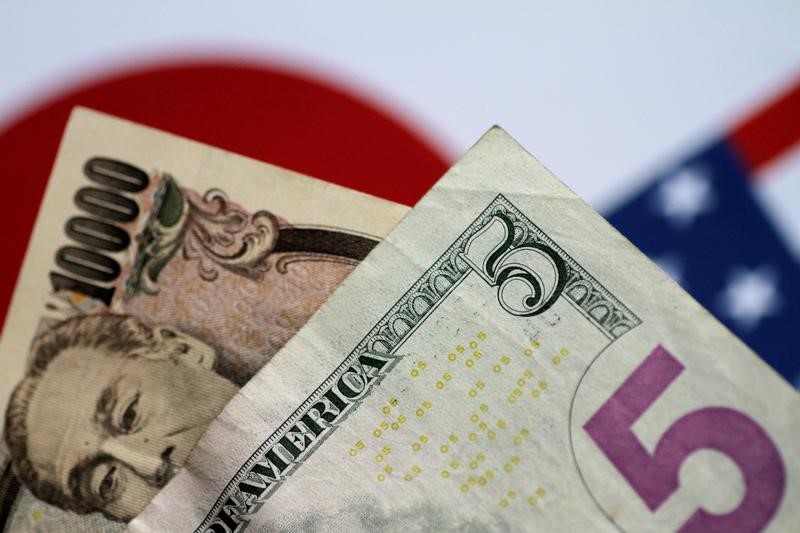
Asian FX was mostly steady to firmer as hopes for U.S.-Iran peace talks and a possible ceasefire reduced haven demand for the dollar, while the dollar index was headed for a second straight weekly loss. The yen weakened 0.1% on Friday and remains near two-year highs versus the dollar after BOJ Governor Ueda gave dovish signals on an April rate hike, keeping USD/JPY close to 160. The Australian dollar outperformed, rising more than 1% for the week, while the yuan was flat, Singapore dollar unchanged, and the Indian rupee slipped 0.1% as oil-price relief helped offset war-related risks.
The near-term market signal is not “risk-on” in the generic sense; it is a targeted unwind of geopolitical tail risk that primarily benefits duration-sensitive and cyclically exposed assets through lower commodity-volatility expectations. The biggest second-order winner is not FX itself but any asset whose discount rate is partly driven by energy shock probability: equities with high beta to real rates and consumer discretionary/transport names should see fewer downside gaps if crude stays contained. The flip side is that the market is implicitly pricing a cleaner disinflation path, which leaves positioning vulnerable if diplomacy stalls and oil re-risks quickly.
The yen is where the most asymmetric setup sits. A dovish central-bank read-through combined with higher global risk appetite can keep USD/JPY pressing toward levels that invite official intervention, meaning spot may continue grinding higher for days or weeks even if the broader dollar is soft. But intervention risk creates a classic two-stage trade: upside can extend mechanically until policymakers act, then the unwind can be violent and gap-prone, especially if speculative positioning is crowded.
For Asia ex-Japan, the market is underappreciating how uneven the benefit from lower oil is. Importers with weak external balances and direct energy sensitivity should outperform on a 1-3 month horizon, while exporters tied to China demand may lag if the commodity move is more about geopolitics than global growth. The Australian dollar looks comparatively stronger because it gets the double benefit of a softer dollar and firm domestic-rate expectations; that makes it a cleaner expression than broad EM FX if the peace narrative persists.
The contrarian risk is that this is a classic headline-driven fade: ceasefire optimism can compress volatility quickly, but actual flows through key energy chokepoints are still the true macro variable. If markets get a few more days of diplomatic progress without a tangible supply normalization, positioning could become too complacent, making any negative headline a high-beta reversal event. In that scenario, the fastest reversal will likely be in FX rather than equities, with USD/JPY and oil-linked EM currencies repricing first.
AI-powered research, real-time alerts, and portfolio analytics for institutional investors.
Request TrialOverall Sentiment
mildly positive
Sentiment Score
0.15
Ticker Sentiment
