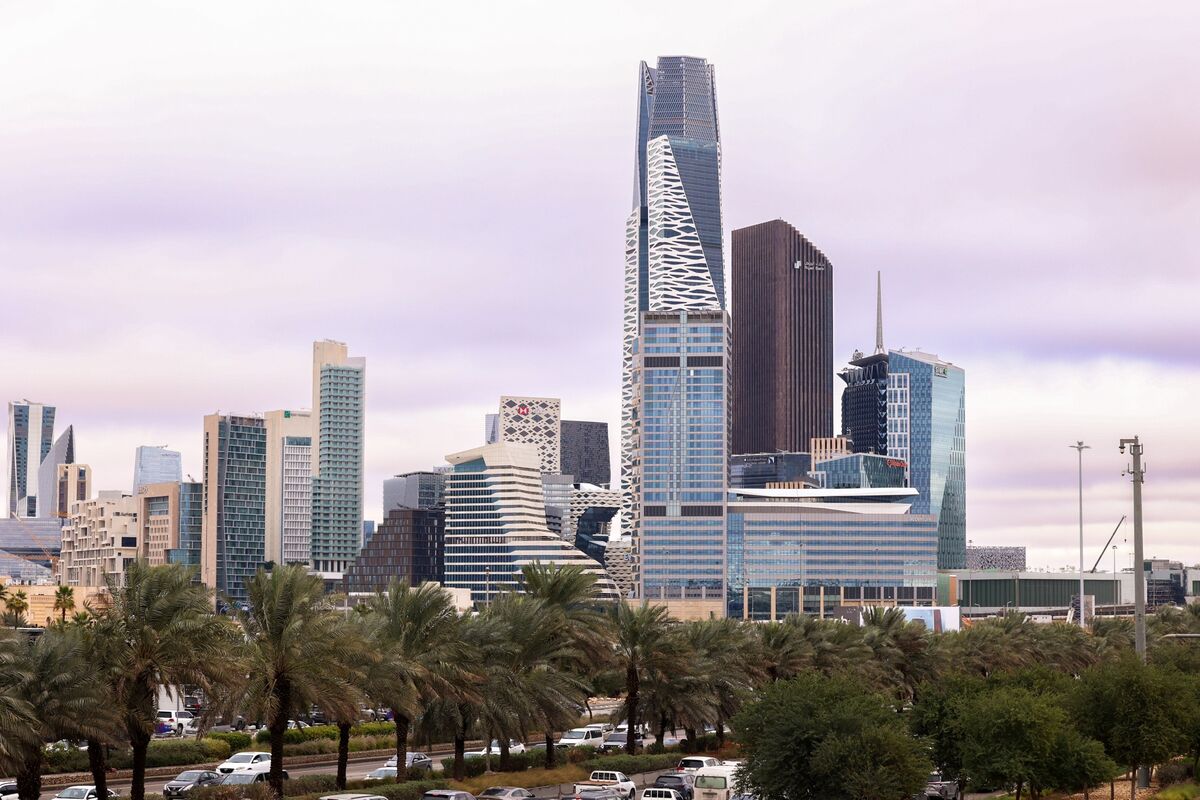
Two Gulf district cooling transactions linked to sovereign wealth funds are moving forward, including King Abdullah Financial District’s planned sale of its district cooling business for about $500 million. The deals point to sustained investor appetite for Middle Eastern infrastructure assets despite geopolitical tensions. While the article is limited to private-market transaction activity, it is supportive for regional infrastructure valuations and deal flow.
This is a small but important read-through on Gulf sovereign liquidity: infrastructure assets with quasi-monopoly cash flows are still clearing even with geopolitical noise. The second-order signal is that regional capital is prioritizing hard, inflation-linked cash generation over growth, which tends to compress cap rates on essential utilities and support a broader re-rating of private infrastructure portfolios across the GCC.
The likely winners are adjacent operators with scalable O&M, engineering, and project-finance capabilities rather than the asset owners themselves. If district cooling valuations stay firm, it improves the exit environment for water, power, and municipal utility platforms, and could pull forward monetizations for other “utility-like” assets sitting inside sovereign balance sheets or development vehicles. The loser is any would-be buyer relying on distressed pricing; this looks like a seller’s market for scarce, regulated infrastructure with sticky demand.
The bigger catalyst is not the transaction itself but what it says about capital recycling. If sovereign funds can monetize mature assets while continuing to back new megaprojects, they effectively extend runway for domestic capex without raising headline leverage. The main reversal risk is a regional liquidity shock or a widening geopolitical event that raises required returns and delays closings, but that would likely hit private-market multiples before it changes strategic demand for these assets.
Contrarian take: the market may be underestimating how defensive district cooling is as an inflation hedge. In a world where power demand, urban densification, and climate adaptation keep rising, these assets can trade more like regulated utilities than cyclical infrastructure, which argues for higher long-duration valuations than traditional EM assets. The opportunity is less about Saudi/Qatar headlines and more about the repricing of essential-service private infrastructure across the region.
AI-powered research, real-time alerts, and portfolio analytics for institutional investors.
Request DemoOverall Sentiment
mildly positive
Sentiment Score
0.20
