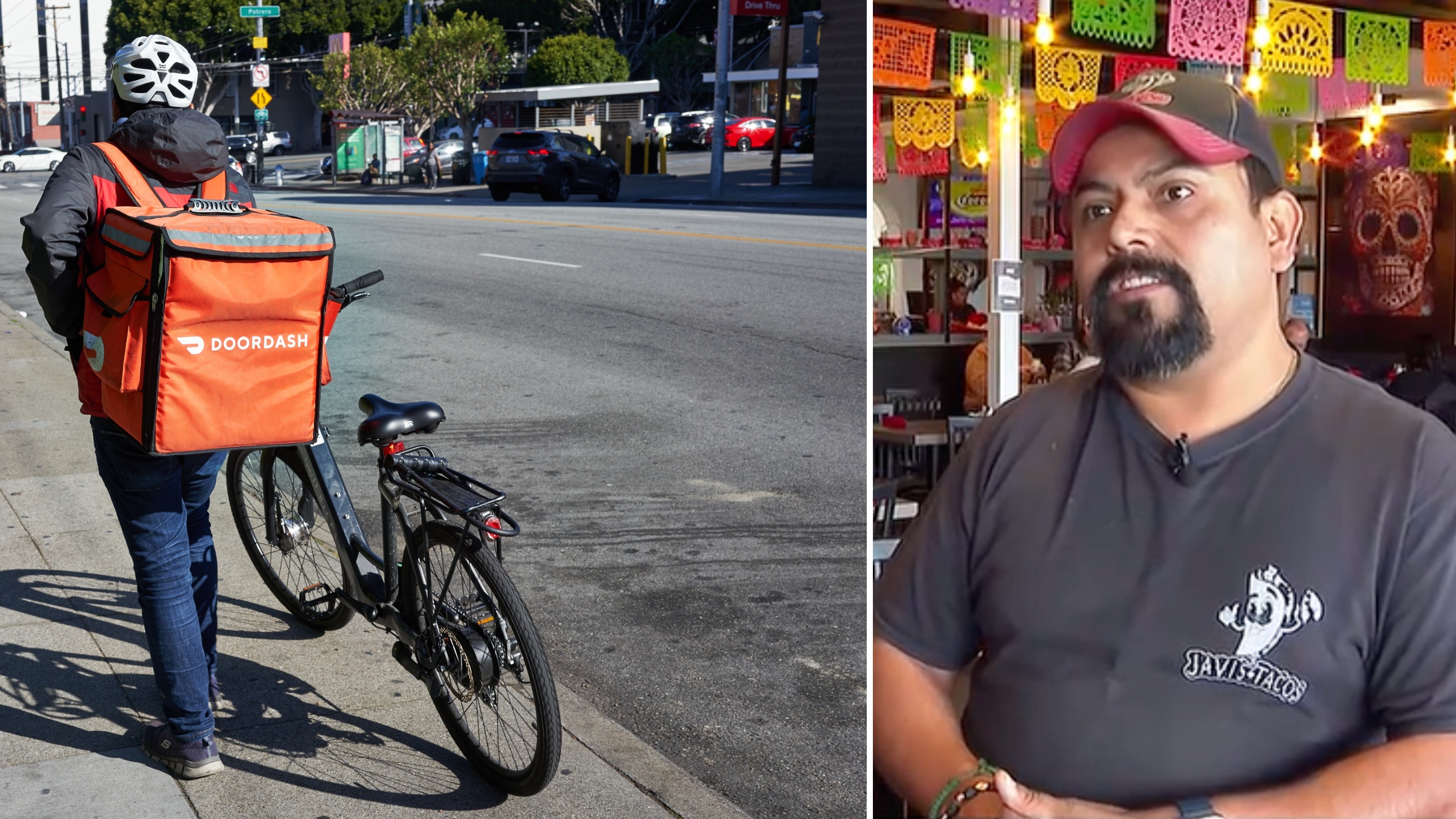
Restaurants are facing heavy delivery-app commission burdens, with one Omaha operator saying he paid $188,000 in commissions last year and is opting out, while a Dallas ghost kitchen said DoorDash/Uber Eats fees leave it with less than $10 on a $12 meal. The article highlights 15%-30% restaurant commissions, plus additional marketing, promotional and payment-processing fees, prompting price increases of up to 20% and margin pressure across the sector. The likely response is greater adoption of hybrid in-house/third-party delivery models rather than a full retreat from mobile ordering.
The market implication is not that third-party delivery disappears, but that the value chain is fragmenting. Aggregators retain consumer discovery and demand routing, while restaurants increasingly try to own the transaction layer and outsource only the last mile on a variable-cost basis; that shifts margin power away from the network names and toward software/payment orchestration. The second-order winner is whoever can make direct ordering sticky enough to reduce promo spend and repeat purchases through owned channels.
For DASH, the pressure is not just restaurant churn but mix degradation: smaller operators are the first to test hybrid or direct models, and they are often the highest-frequency users of promotional placement. If enough merchants re-route orders to owned channels, DASH’s ad load and take-rate could face a slow-burn deceleration rather than an abrupt volume hit, which is more dangerous because it compresses the valuation multiple before consensus can see the earnings inflection. The more subtle risk is that restaurant menu inflation on app channels eventually trains consumers to comparison-shop, increasing price elasticity and lowering order frequency.
TOST is the structural beneficiary because it monetizes the migration from dependence on marketplaces to owned digital workflows. The near-term upside is not just software attach but increased payment and ordering penetration as operators use hybrid stacks to preserve margins; that should improve retention and ARPU over 2-4 quarters if the trend persists. PZZA also benefits operationally if its in-house delivery model remains a lower-cost, more controllable alternative, but the real upside is competitive: national chains with scale can win share from independents that cannot economically sustain app commissions.
AI-powered research, real-time alerts, and portfolio analytics for institutional investors.
Request DemoOverall Sentiment
mildly negative
Sentiment Score
-0.15
Ticker Sentiment
The contrarian view is that this is less a consumer-behavior reversal than a margin-optimization cycle, so the long-term demand for convenience remains intact. That means the most likely outcome is not a collapse in delivery volumes, but a re-pricing of who captures the economics. If restaurants successfully push customers toward first-party ordering, DASH becomes a toll collector on the way down the stack, while TOST becomes the picks-and-shovels layer for the replatforming.
