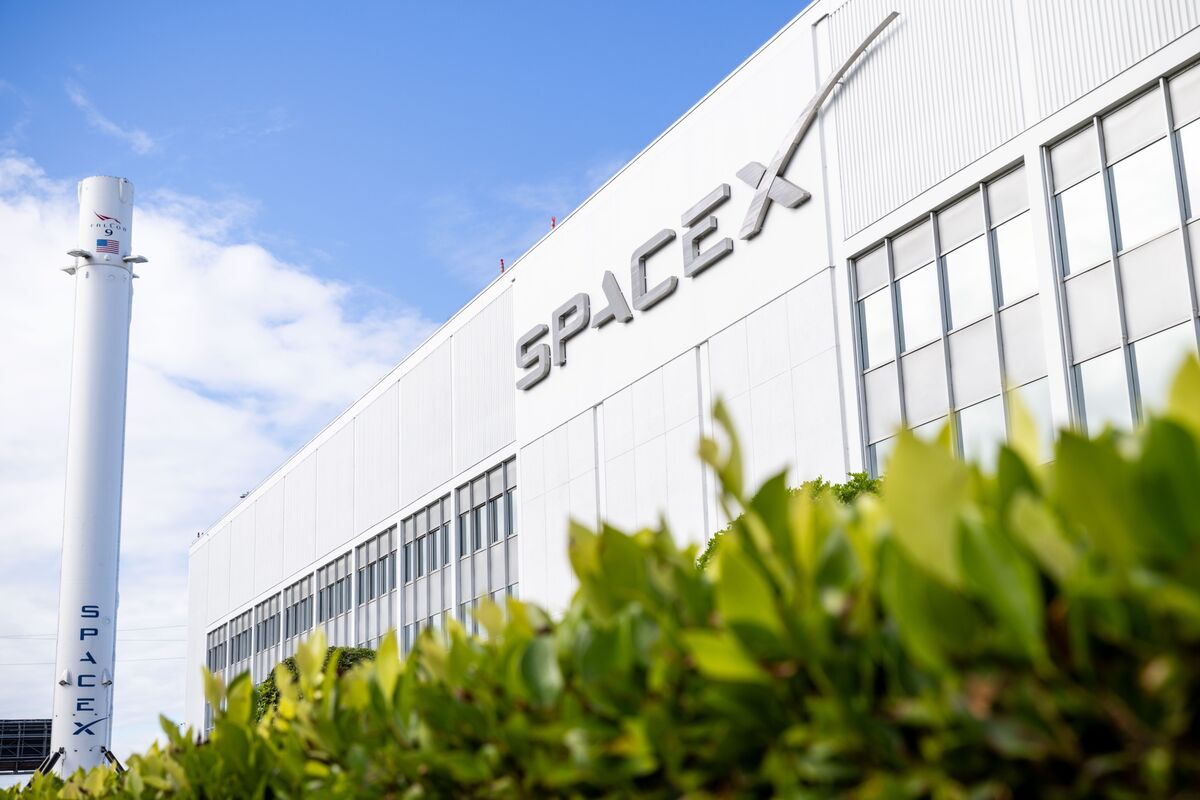
SpaceX's IPO filing highlights ballooning losses and debt as the company continues pouring billions into AI, space, and a Mars rocket. The prospectus frames the offering as a long-duration, capital-intensive bet on future growth rather than near-term profitability. The news is notable for SpaceX and private-market sentiment, but the immediate market impact is likely limited.
The market’s biggest mistake is likely treating this as a pure “IPO story” rather than a capital-allocation stress test. If investors accept a premium multiple on a company that is simultaneously scaling AI, launch capacity, and deep-space ambitions, the implied winner set expands well beyond the issuer: launch suppliers, specialty materials, RF/optics vendors, and adjacent private-market comparables can all re-rate on the idea that strategic scarcity, not near-term profitability, is what matters. But that same logic creates fragility: once public, every incremental dollar of spend becomes a quarterly governance question, which can compress the tolerance for moonshot capex faster than the operating model itself deteriorates.
The second-order loser is the broader private-tech ecosystem. A marquee listing with heavy losses can reset terms for late-stage startups that have been relying on “future optionality” rather than current cash generation; the discount rate on unprofitable growth rises when the best brand in the category has to explain it. That pressure is most acute for capital-intensive AI infrastructure and aerospace peers that cannot show faster revenue monetization, because investors will compare them to a newly public benchmark that may be valued on narrative, not fundamentals, but still subjected to public-market scrutiny.
Catalyst timing matters: near term, sentiment can stay constructive if the IPO is tightly marketed and demand is scarcity-driven; over the next 3-6 months, the first disclosures on burn rate, related-party dependence, and commercialization pace will determine whether the stock becomes a growth multiple or a governance discount. Tail risk is a broad repricing of “vision-premium” assets if the market decides that AI and space spending are less like option value and more like permanent free-cash-flow leakage. The contrarian setup is that the article’s negativity may understate how well capital markets reward dominant ecosystem control; if the offering proves oversubscribed, the real trade is not against the name itself but against lower-quality imitators that trade on the same dream with weaker execution.
The clearest hedge is to own the infrastructure layer while fading the speculative peers most exposed to a higher public-market discount rate. If the IPO succeeds, suppliers and launch-adjacent beneficiaries should see order-book credibility improve even if margins stay thin; if it disappoints, the entire private-to-public growth complex likely de-rates together, but the strongest balance sheets should still hold up. In either case, the asymmetric risk is in names that need repeated financing before monetization, because the new benchmark will make every future capital raise harder.
AI-powered research, real-time alerts, and portfolio analytics for institutional investors.
Request DemoOverall Sentiment
mildly negative
Sentiment Score
-0.15
