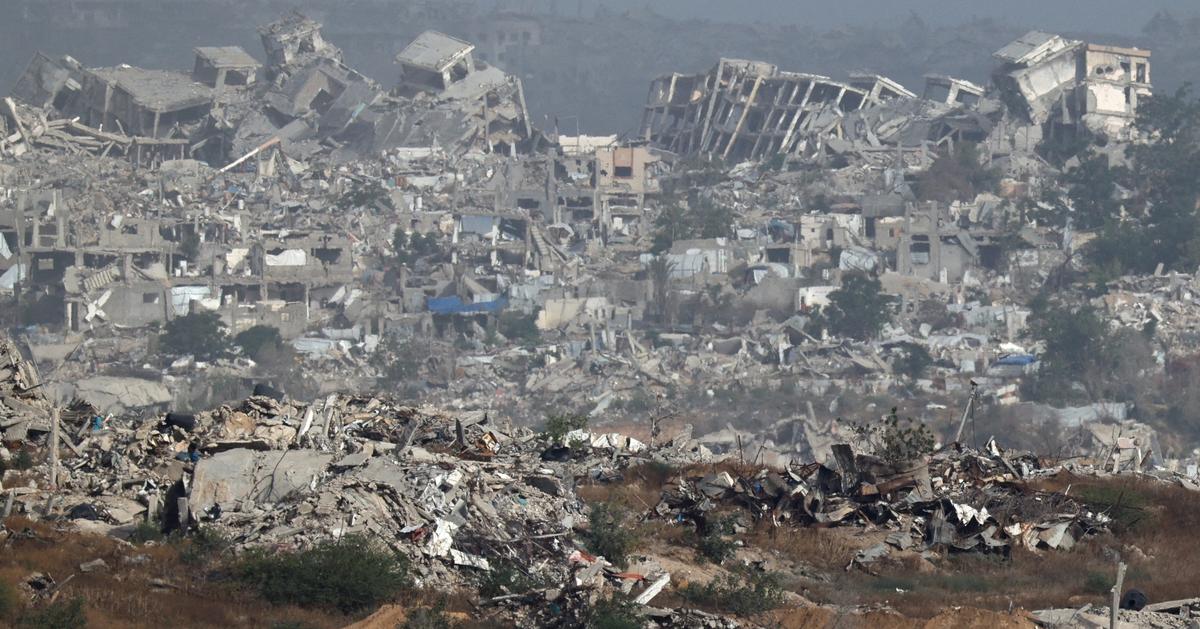
Israeli Prime Minister Benjamin Netanyahu is facing increasing international pressure, with Germany's chancellor criticizing the recent offensive in Gaza, stating it "can no longer be justified." Simultaneously, Israel's Channel 12 reported a heated exchange between Netanyahu and U.S. President Trump regarding strategies for confronting Iran's nuclear program, signaling a potential rift between the two nations.
Heightened geopolitical tensions surrounding Israel are emerging from multiple fronts, signaling potential shifts in key international alliances and increasing regional uncertainty. Notably, Germany, typically a staunch European supporter, has issued a sharp rebuke of Israel's recent military offensive in Gaza, with the Chancellor stating its actions, which reportedly involved striking some 200 targets and resulted in several dozen fatalities within 48 hours, 'can no longer be justified.' This public criticism from Berlin, often more reserved than other European powers like Britain and France, underscores the growing international pressure. Concurrently, reports from Israel's Channel 12 news indicate a 'heated weekend call' between Prime Minister Netanyahu and US President Trump concerning strategies toward Iran's nuclear program, suggesting a 'broader distancing' between the two historically close allies. These developments contribute to a 'mildly negative' sentiment and an 'uncertain' tone, with a 'market_impact_score' of 0.45 indicating potential for market repercussions stemming from increased geopolitical instability in the Middle East.
AI-powered research, real-time alerts, and portfolio analytics for institutional investors.
Request DemoOverall Sentiment
mildly negative
Sentiment Score
-0.25
